A federal judge in Texas has declared the Biden administration's rule on “ghost guns” unconstitutional, a decision that could significantly alter the regulatory landscape for self-assembled firearms. U.S. District Judge Reed O'Connor, an appointee of former President George W. Bush, ruled on Monday that the 2022 measure, which sought to treat homemade gun kits like traditional firearms, runs afoul of the nation’s “historical tradition” of personal gunsmithing and self-manufacture.
In his opinion, O'Connor wrote that the rule’s “ambiguous and far-reaching regulations” would restrict access to component parts and thereby inhibit home gunsmithing, which he argued is protected under the Second Amendment. He also found the rule unconstitutionally vague, violating the Due Process Clause.

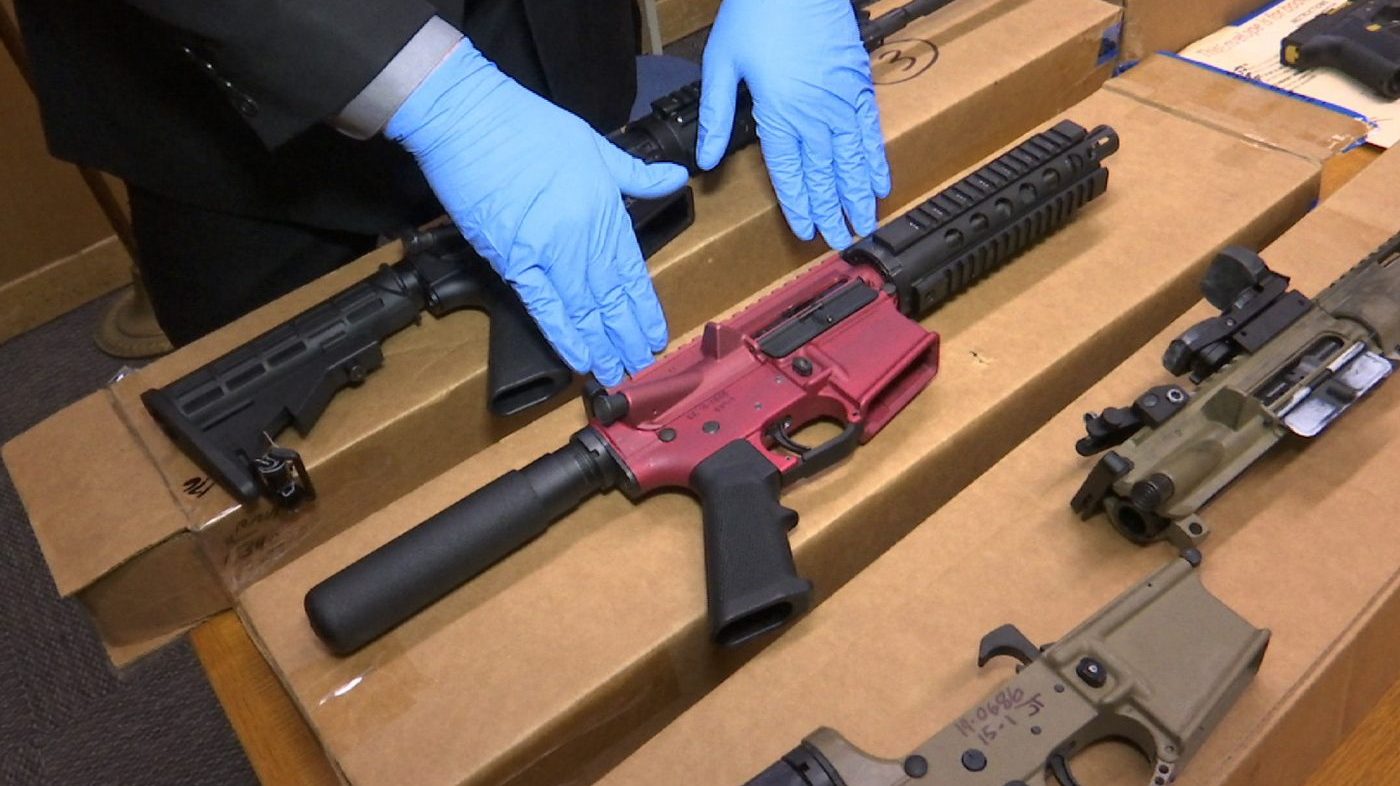
The rule, issued by the Bureau of Alcohol, Tobacco, Firearms and Explosives (ATF), was designed to close a loophole that allowed individuals to buy parts kits online and assemble firearms without serial numbers or background checks. The ATF had argued that these kits fall under the definition of “frame or receiver” in the Gun Control Act of 1968, and thus should be subject to the same regulations as commercially made firearms.
The Justice Department has not yet responded to a request for comment. The ruling comes after the Supreme Court in March upheld the regulation in a 7-2 decision, but that ruling sidestepped the constitutional question, focusing instead on whether the ATF had the authority under federal firearms law. Justice Neil Gorsuch, writing for the majority, noted that “future cases may present other and more difficult questions about ATF’s regulations” and that the Court was only resolving “the question posed to us.”
O'Connor’s decision goes further, siding with a long-running challenge brought by two gun rights groups, including the Second Amendment Foundation, which sought additional intervention after the Supreme Court’s ruling. Adam Kraut, the foundation’s executive director, praised the decision, saying, “The Court rightly held that the Biden ATF’s rule not only sought to outright prohibit Second Amendment protected conduct but was written in such a vague and vaporous manner as to chill that protected conduct by making it impossible to even know what was legal and what wasn’t.”
Gun violence prevention advocates, however, have expressed alarm. Emma Brown, executive director of GIFFORDS, warned that the ruling creates a “nightmare” scenario where people banned from owning guns could easily obtain untraceable weapons without oversight. “Under the logic of this injunction, people ineligible to possess guns could get an untraceable ghost gun without any background checks or training,” she said. “No one wants to live in a country where gun violence is easy to commit and almost impossible for police to solve.”
The decision is likely to be appealed, potentially setting up another Supreme Court showdown. It also adds to the ongoing legal battles over gun regulations, which have become a central issue in the 2024 election cycle. The ruling could have broader implications for how the ATF regulates emerging firearm technologies, and it comes amid growing fiscal concerns in Washington that are competing for attention with policy disputes.
For now, the future of ghost gun regulation remains uncertain, with the ruling applying only to the plaintiffs in the case but potentially influencing other challenges. As the legal fight continues, the issue is likely to remain a flashpoint in the broader debate over gun rights and public safety.