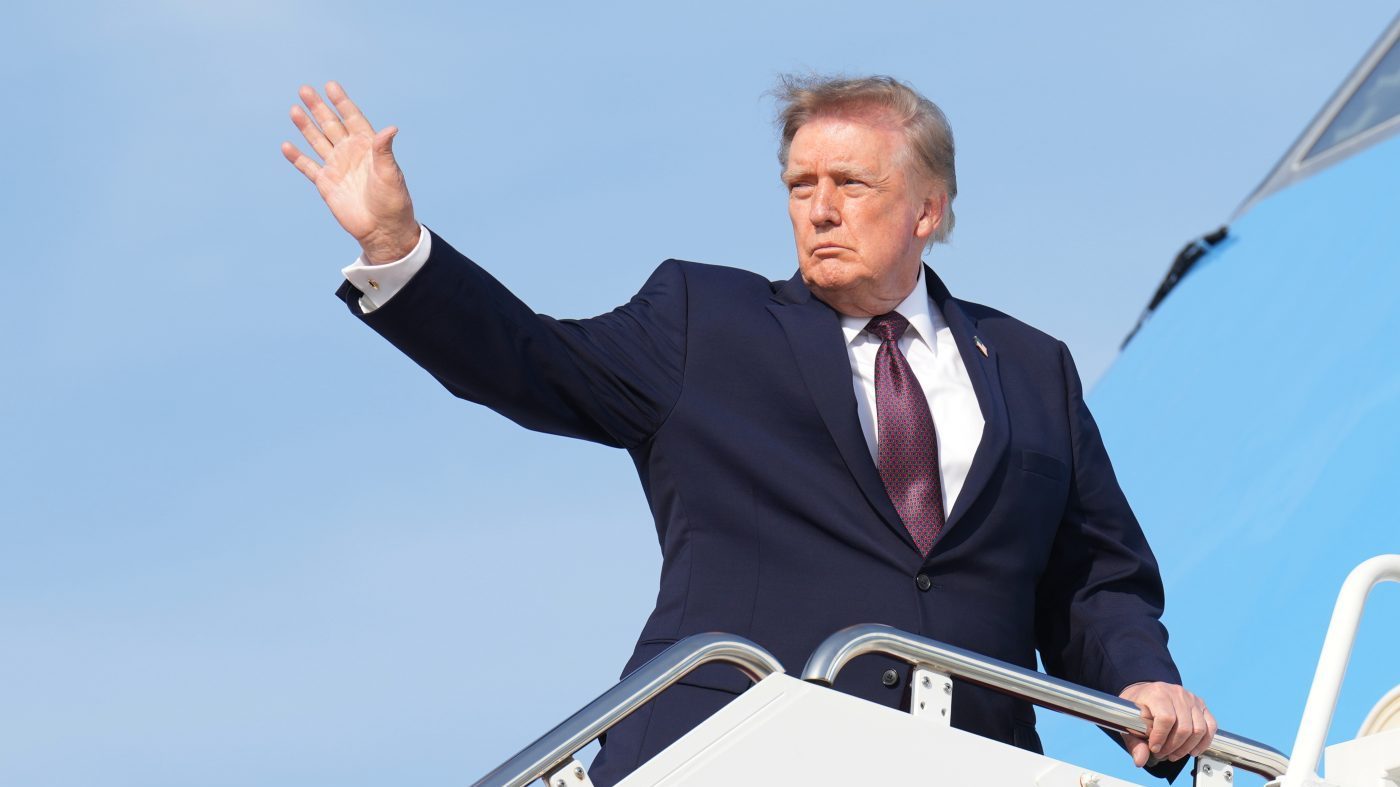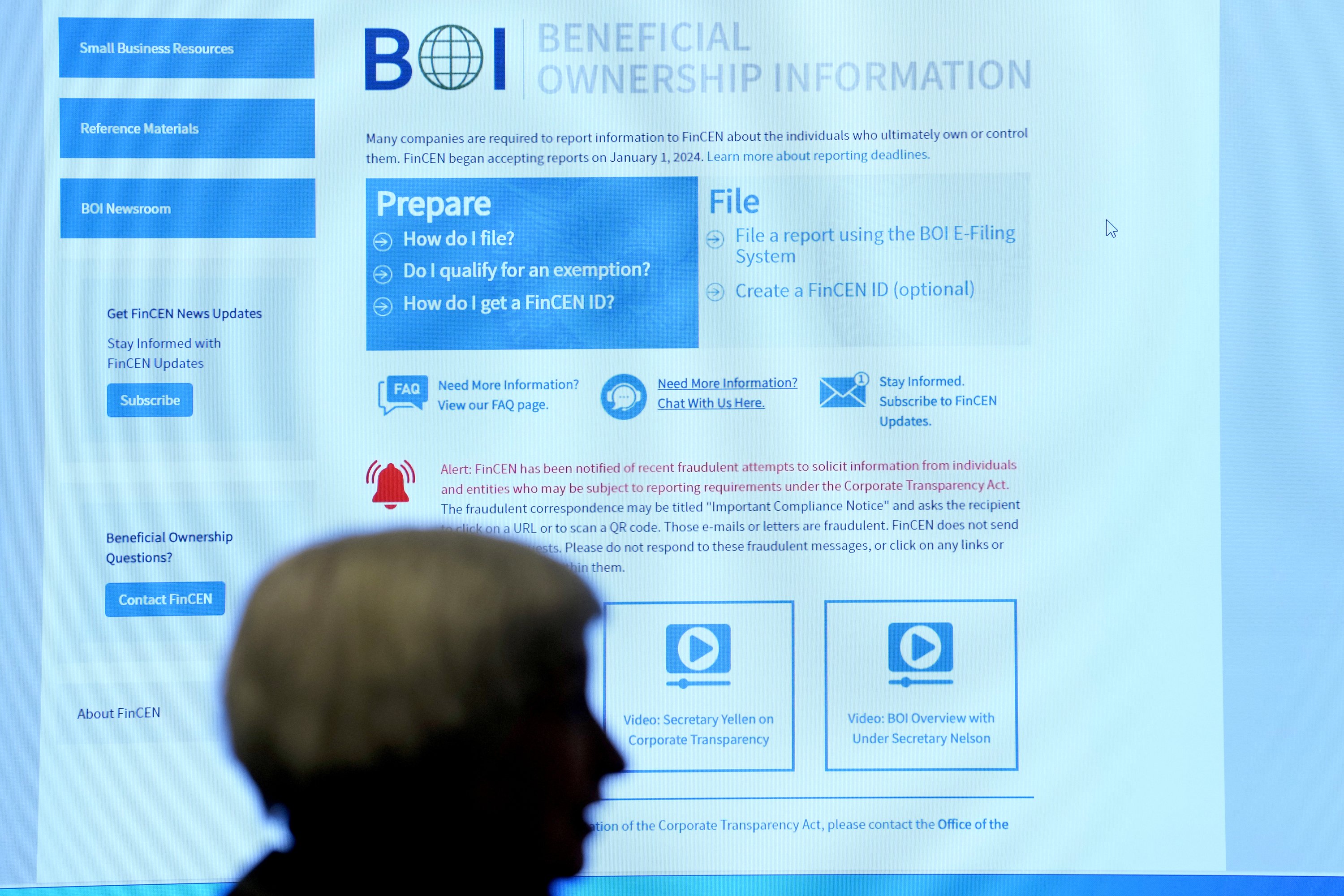
The Trump administration has moved to dismantle a key anti-money-laundering statute, using an agency rule to exempt all domestic limited liability companies from reporting requirements that Congress mandated just a few years ago. The move, finalized on August 14 by the Financial Crimes Enforcement Network (FinCEN), effectively guts the Corporate Transparency Act (CTA) for the vast majority of entities it was designed to cover.
The CTA, passed in 2021 with bipartisan support, required corporations, LLCs, and similar entities—both domestic and foreign—to disclose their beneficial owners to the government. The goal was to help law enforcement pierce the veil of shell companies that criminals, drug traffickers, and corrupt officials use to launder money and hide illicit wealth. Congress explicitly aimed at the estimated 32.6 million entities, most of them small domestic LLCs, that were previously shrouded in anonymity.

FinCEN's new regulation, however, exempts all domestic LLCs from the reporting obligation, leaving only foreign-formed entities registered to do business in the U.S.—and even then, only if they have foreign beneficial owners. This narrows the law's reach to a fraction of what Congress intended. The administration's justification—that the reporting costs were too burdensome—has been met with sharp criticism from transparency advocates and legal scholars.
“This rule clearly contravenes what Congress intended when it gave the executive branch discretion to add to the list of exemptions,” said one former Treasury official, speaking on condition of anonymity. The CTA's catch-all provision allows the Treasury Secretary, with the written concurrence of the Attorney General and the Secretary of Homeland Security, to exempt additional categories if reporting would “not serve the public interest” or be “highly useful” in national security or law enforcement efforts. But the logical reading of that language suggests case-by-case additions, not a wholesale elimination of the primary target.
Congressional intent and real-world impact
Sen. Ron Wyden (D-Ore.), who introduced the CTA, has long highlighted the dangers of anonymous shell companies. In the 2017 Congressional Record, he cited the case of Viktor Bout, the international arms trafficker known as the “merchant of death,” who used a network of shell corporations—including U.S. entities—to sell weapons to the Taliban. Wyden also pointed to a Manhattan skyscraper owned by an anonymous U.S. company that facilitated millions of dollars in payments to an Iranian bank designated as a key financier of Iran's nuclear and ballistic missile program.
Another example involved a Medicare fraudster who used 29 shell companies to submit more than $50 million in fraudulent claims. Justice Department officials testified that corrupt foreign officials were using U.S. shell companies to launder money, but law enforcement could not fully investigate because corporate records did not identify beneficial owners.
The new rule, critics argue, will only exacerbate these problems. “By exempting all domestic entities wholesale, the Trump administration has removed nearly the entire target of the statute,” said a policy analyst at a Washington-based transparency group. Fentanyl traffickers and other criminal enterprises can simply continue to use anonymous LLCs to launder money, while legitimate small businesses are left to compete against entities with seemingly unlimited, illicit capital.
Constitutional and legal challenges
The move also flies in the face of recent Supreme Court precedent. In the 2021 case West Virginia v. EPA, the Court's conservative majority invoked the “major questions doctrine,” requiring clear congressional authorization for agencies to make sweeping decisions of vast economic and political significance. The underlying separation-of-powers rationale is that Congress, being more democratically accountable, should make such major policy calls—not unelected bureaucrats.
FinCEN's rule, however, does exactly what the Court rejected in that case: it nullifies a statute's core requirement through regulation. Legal experts expect lawsuits challenging the rule, arguing that it exceeds the agency's authority and undermines the CTA's purpose.
The administration's rule also requires FinCEN to delete the beneficial ownership information it has already collected on domestic entities. That data, which could be crucial for ongoing investigations, would be destroyed, further hampering law enforcement efforts.
President Trump's move comes amid a broader pattern of executive overreach, as seen in his attempts to scrap environmental rules and his controversial foreign policy decisions. While some Republicans have defended the rule as reducing regulatory burdens on small businesses, others within the party have expressed concern about its implications for national security.
“This is a gift to criminals and money-launderers,” said a former federal prosecutor. “The administration is essentially telling them they can operate with impunity in the U.S., as long as they use domestic LLCs.”
The rule is set to take effect, but its future is uncertain. Congressional Democrats have vowed to fight it, and legal challenges are likely. For now, the Corporate Transparency Act—once hailed as a landmark transparency measure—has been reduced to a shadow of its former self, and the consequences for U.S. law enforcement and financial integrity could be severe.