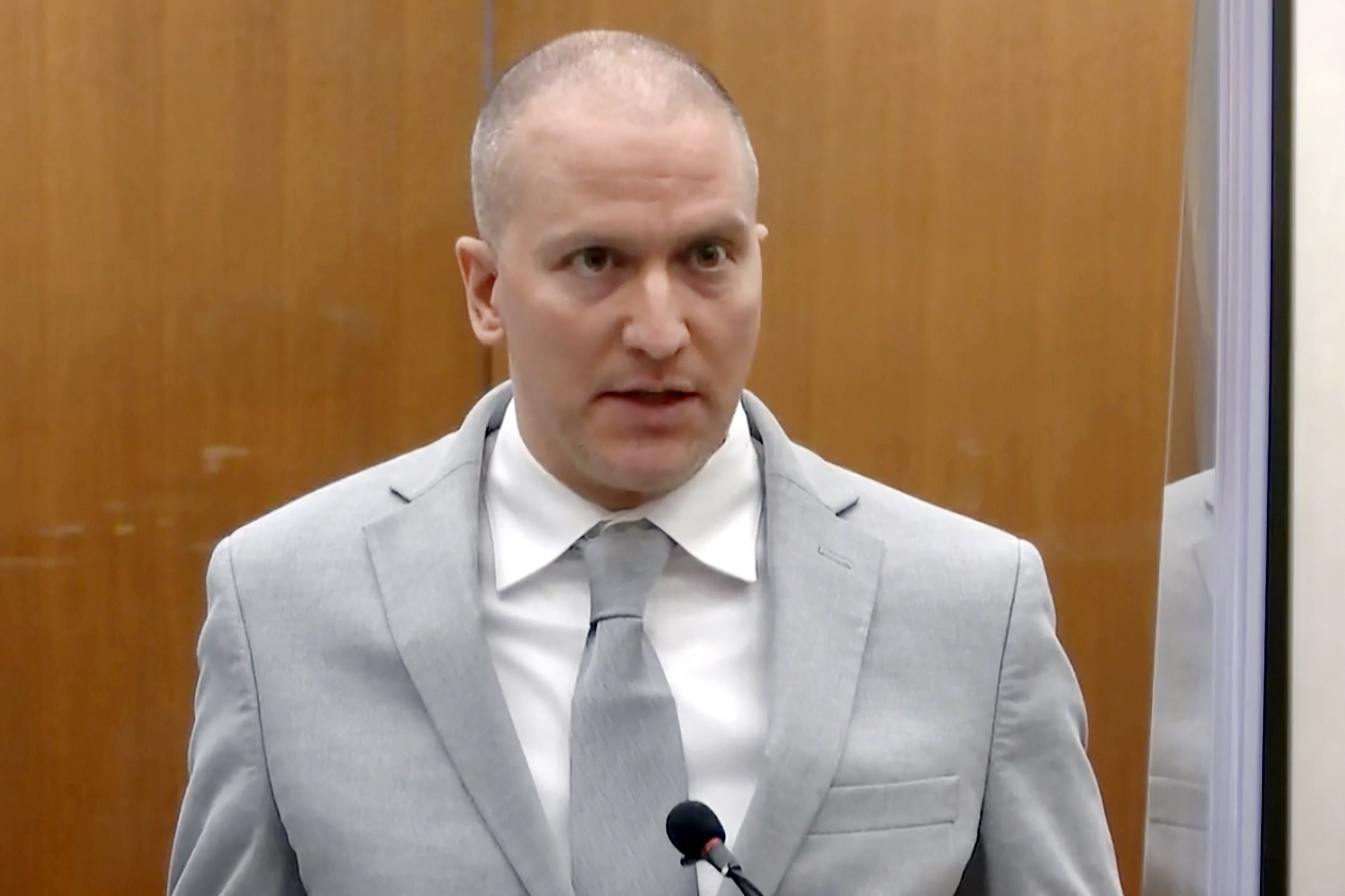
Derek Chauvin, the former Minneapolis police officer convicted in the 2020 murder of George Floyd, is again seeking to have his state murder charges thrown out. His legal team filed a new petition with the Minnesota Court of Appeals on Tuesday, marking the third such attempt in the case. The previous two petitions were denied.
In the latest filing, Chauvin's attorneys argue that the conviction should be "immediately dismissed" due to multiple alleged violations of his due process rights. They specifically point to the assignment of the case to Minnesota Attorney General Keith Ellison (D), the Hennepin County District Court's decision not to convene a grand jury, and prosecutors' failure to secure an indictment.
The petition contends that Governor Tim Walz's (D) decision to delegate the case to Ellison constituted an "unlawful assignment of authority." The attorneys wrote: "As a result of these several due process violations, including the failure to present the matter to a grand jury for a probable cause determination or even to convene one, both this Court and the District Court lack jurisdiction over the charges in the Amended Complaint on which he is currently incarcerated, and it must be dismissed immediately."
The Minnesota Attorney General's Office declined to comment on the new petition.
Chauvin, who is white, was convicted of murdering Floyd, a Black man, by kneeling on his neck for more than nine minutes in May 2020. Floyd's killing ignited nationwide protests against police violence and racial injustice, and it remains a flashpoint in the broader debate over criminal justice reform.
Chauvin has been in federal prison since 2021. He is serving a state sentence of over 22 years for second-degree murder and a concurrent 21-year federal sentence for violating Floyd's civil rights. His federal appeal was previously rejected, and in 2023, the U.S. Supreme Court declined to review his conviction after Minnesota's highest court also turned him down.
This latest legal maneuver comes as the political landscape around police accountability continues to evolve. The case has drawn comparisons to other high-profile incidents, such as the recent opening of the Tupac murder trial, which also highlights the long road to justice in historic cases.
Legal experts note that the odds of success are slim, given that Chauvin's previous appeals were rejected. However, his attorneys are pressing forward, arguing that the procedural irregularities in the original prosecution were fundamental enough to void the conviction entirely.
Observers say the petition also reflects a broader strategy by Chauvin's defense team to keep the case alive in the public eye, even as he remains incarcerated. The outcome of this appeal could have implications for how similar cases are handled in Minnesota, particularly regarding the use of special prosecutors and grand juries.
For now, the Minnesota Court of Appeals will decide whether to take up the petition. If they decline, Chauvin's options for further review would be limited, though his lawyers could still seek relief from the state supreme court.