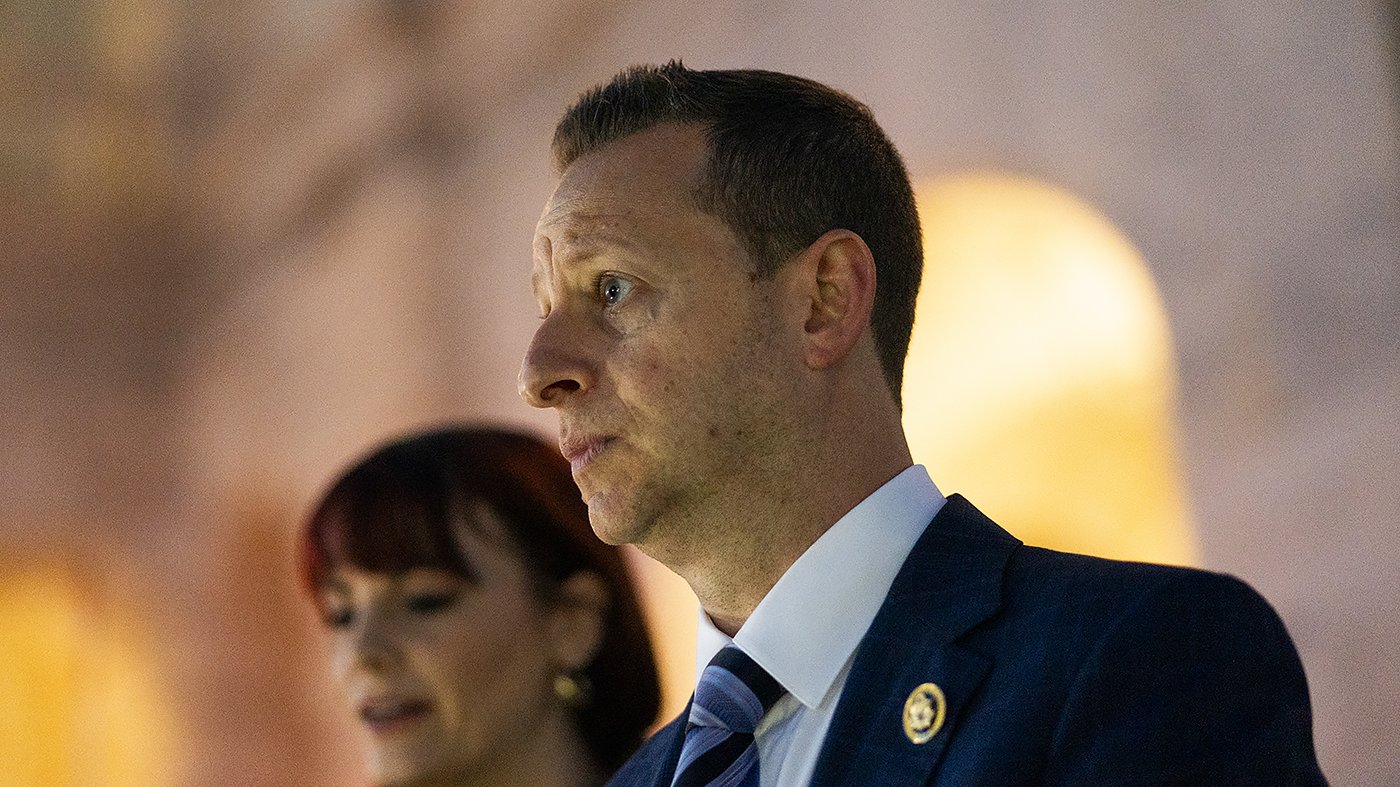
Florida's 23rd Congressional District is officially a two-way race. Democratic Rep. Jared Moskowitz and Republican Boca Raton Mayor Scott Singer emerged victorious from their respective primaries, setting the stage for one of the most closely watched House contests in the country this November.
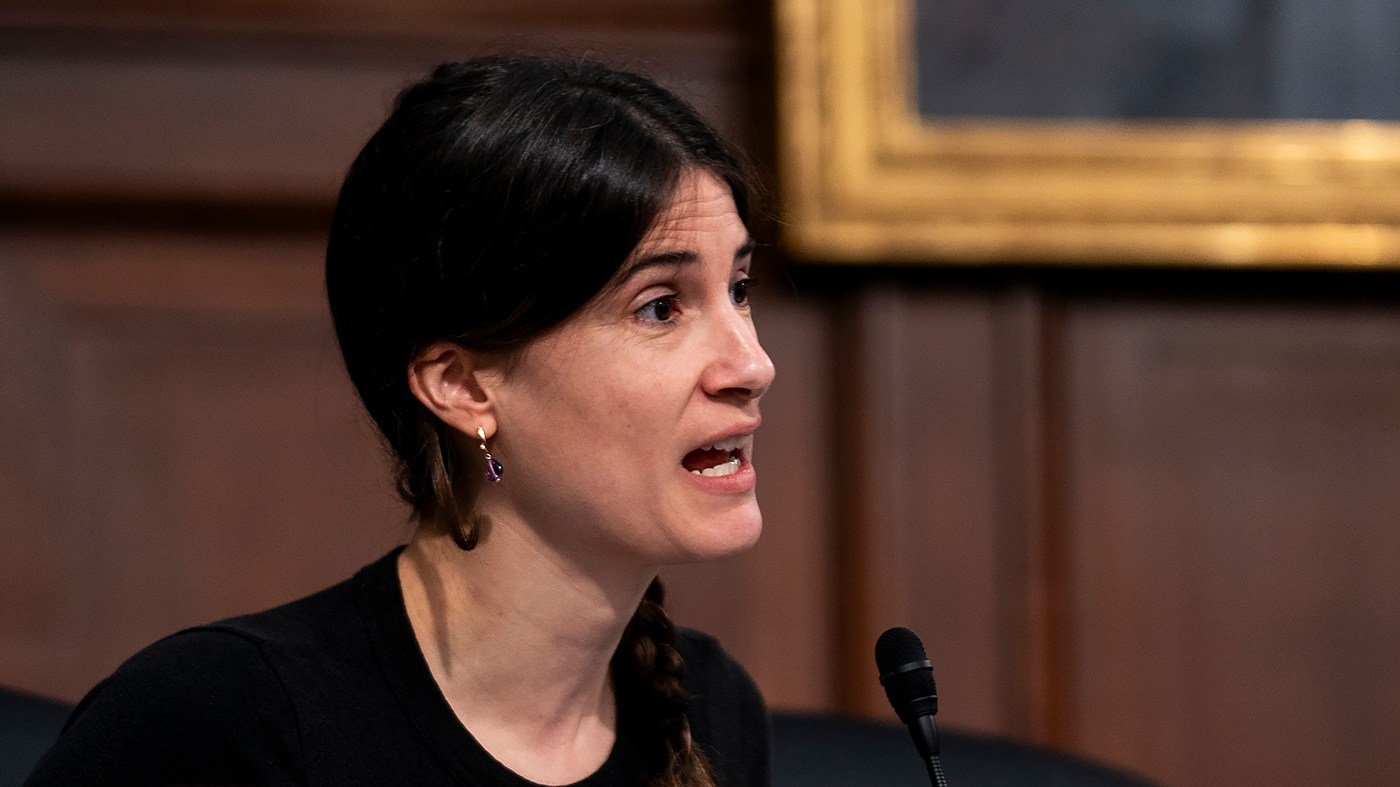
Moskowitz, a former state legislator and Broward County commissioner, fended off a challenge from Oliver Larkin, a progressive union organizer who had the backing of the Democratic Socialists of America. The primary was the last major test for the far-left movement in this cycle's congressional races, and Moskowitz's win signals that the party's moderate wing retains a foothold in South Florida.
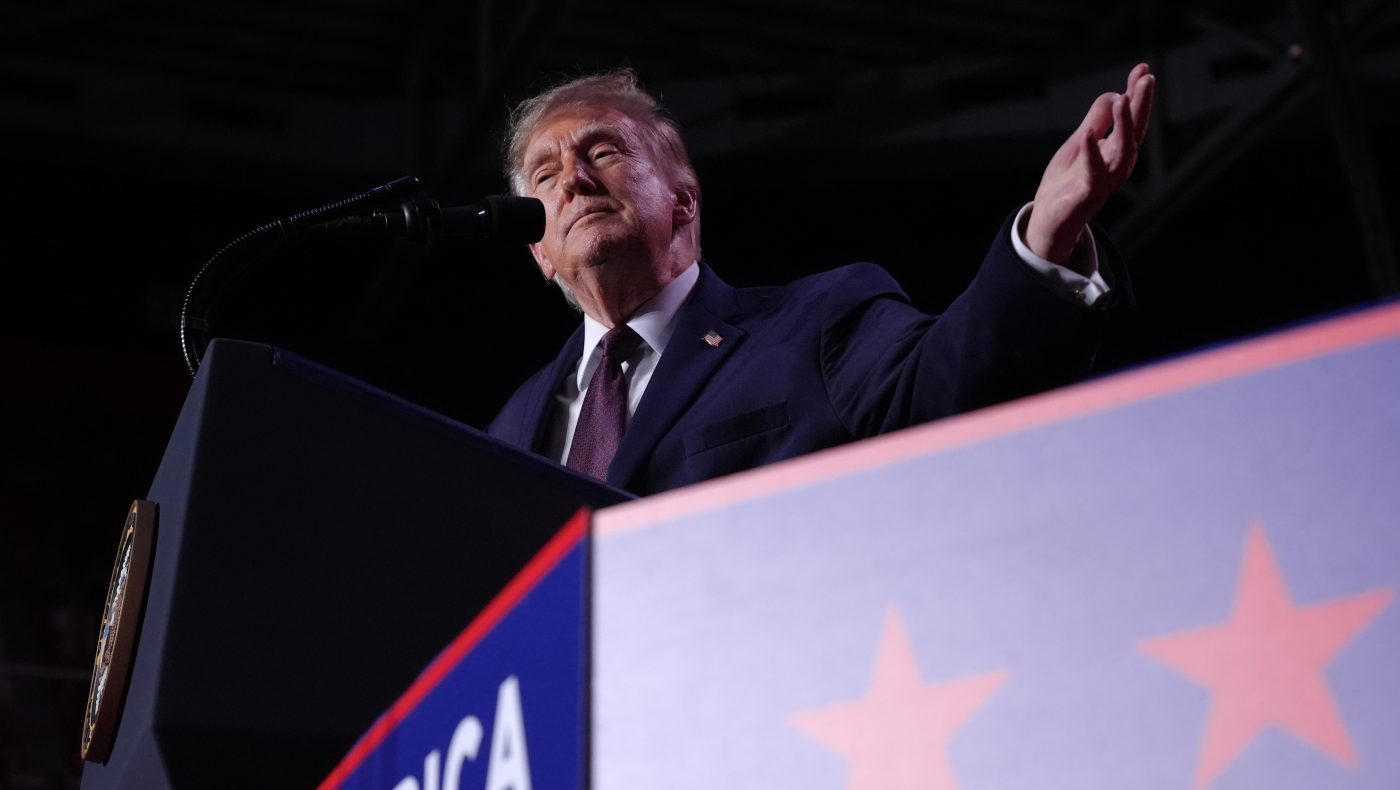
On the Republican side, Singer defeated a crowded field of rivals, buoyed by an endorsement from House Majority Leader Steve Scalise. Notably, former President Donald Trump, who has weighed in on several other Florida GOP primaries, stayed on the sidelines in this one, leaving the race to develop organically.
The district, which stretches from South Beach to Delray Beach, was once considered safely Democratic. But after the Sunshine State's mid-decade redistricting, the map was redrawn to make it far more competitive. The shift has placed the seat on national watchlists, with both parties pouring resources into the fight.
Decision Desk HQ currently rates the race as a toss-up, though the forecasting model gives Democrats a slight edge. That narrow margin underscores how the new district lines have scrambled traditional political calculations in the region.
Moskowitz, who has positioned himself as a pragmatic Democrat willing to work across the aisle, will now face a well-known local mayor in Singer, who has emphasized his record on public safety and economic development in Boca Raton. The contrast between the two candidates is sharp, and the campaign is expected to be intense.
This race is part of a broader reshaping of Florida's congressional map, which has turned several previously safe seats into battlegrounds. In other races, the redrawn map has already shifted the dynamics of multiple primaries, and the general election will test which party can adapt to the new terrain.
Political observers will be watching closely to see if national trends—such as the unexpected losses for some GOP establishment figures—carry over into November. Meanwhile, Democrats are hoping to hold onto a seat that could be pivotal for their chances of retaking the House.
The race is also drawing attention for its potential to influence the balance of power in Washington. With control of the House hanging in the balance, every toss-up seat matters, and Florida's 23rd is now squarely in that category.
Both campaigns are expected to ramp up their efforts in the coming weeks, with advertising, voter outreach, and debates likely to dominate the local political landscape. The outcome could hinge on which candidate can better mobilize their base while appealing to the district's independent voters.