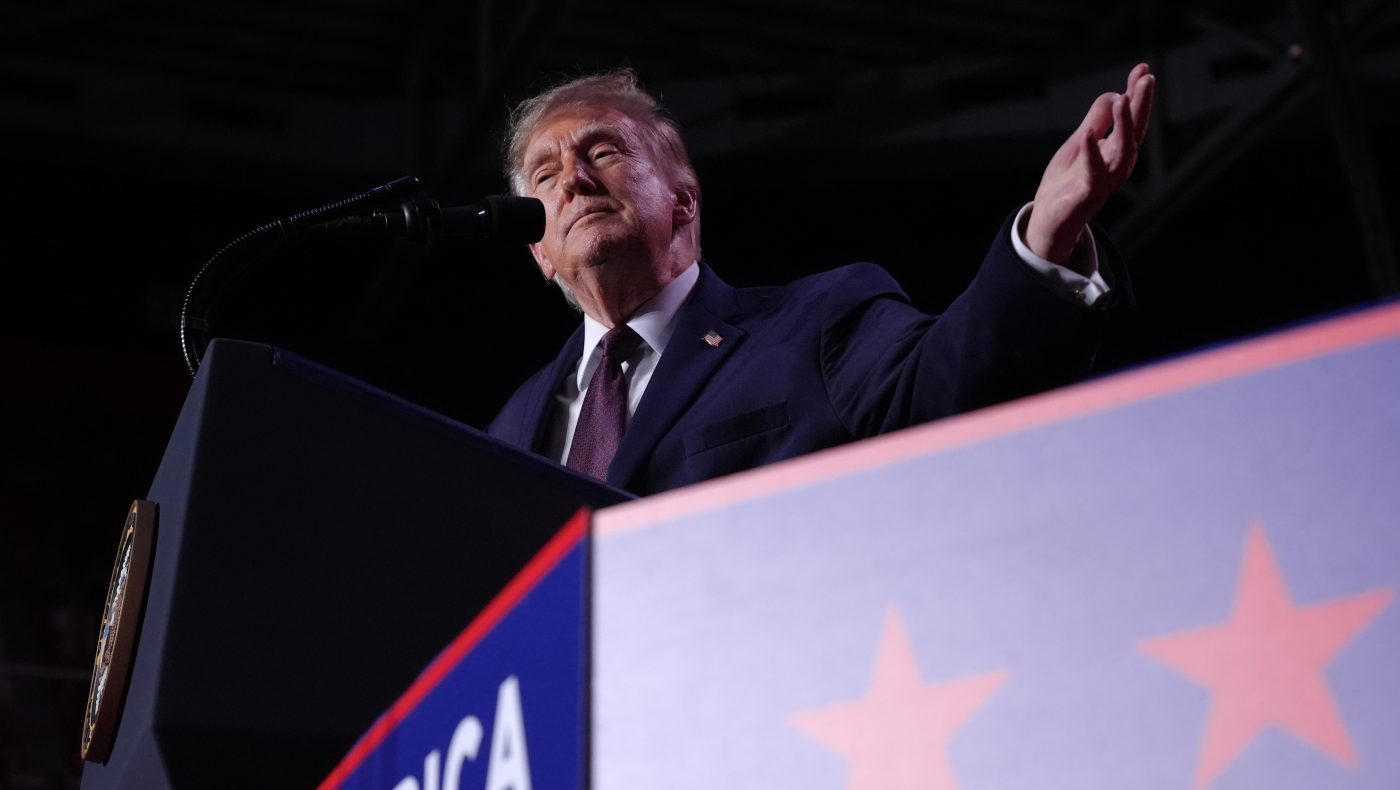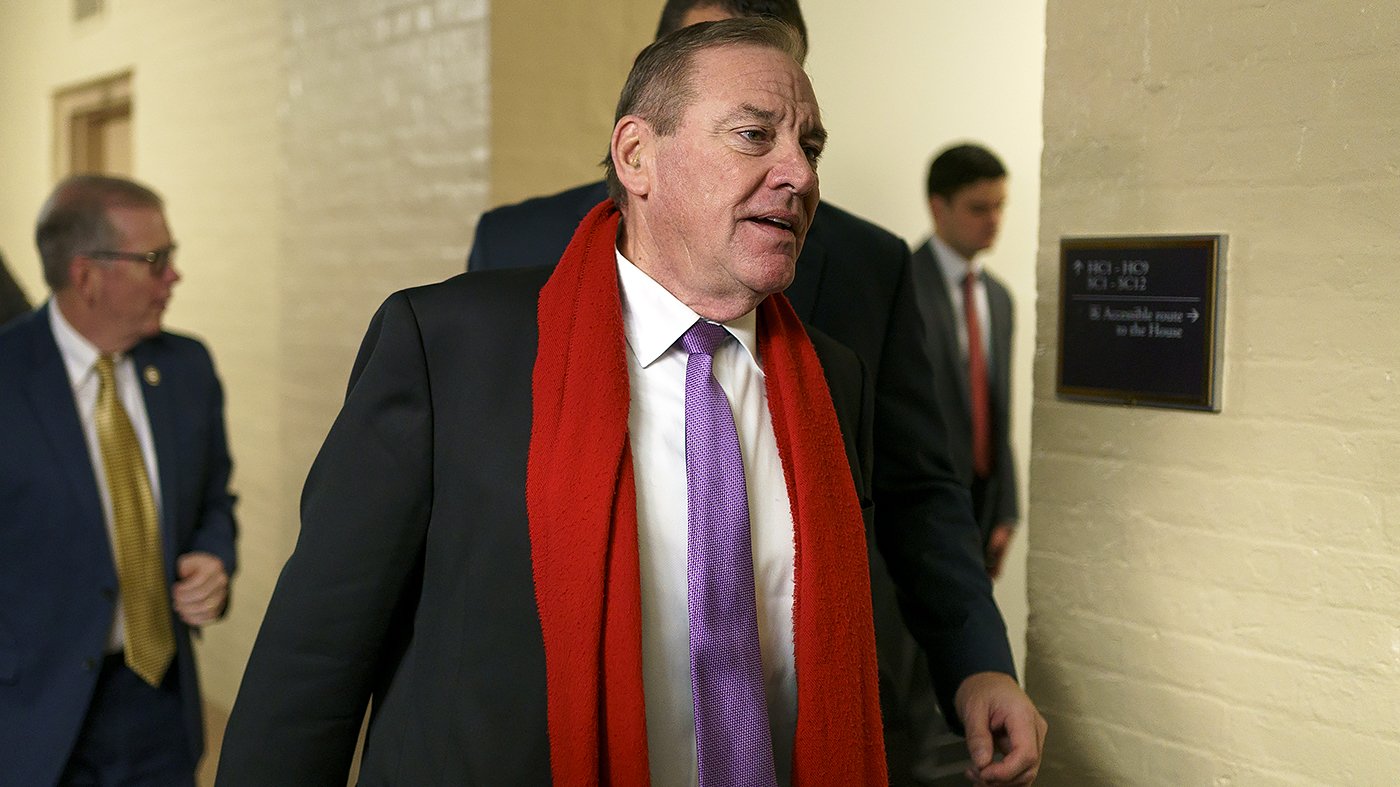
Florida Republican Party Chairman Evan Power was defeated in Tuesday's Republican primary for the state's 2nd Congressional District, according to Decision Desk HQ projections. Power placed fourth in the eight-candidate field, while Austin Rogers clinched the nomination to succeed retiring Rep. Neal Dunn (R-Fla.).
Power, who has led the state party since 2024, had positioned himself as a grassroots organizer with deep ties to Florida politics. His loss marks a significant setback for the state GOP establishment, though his chairmanship remains unaffected by the primary outcome.
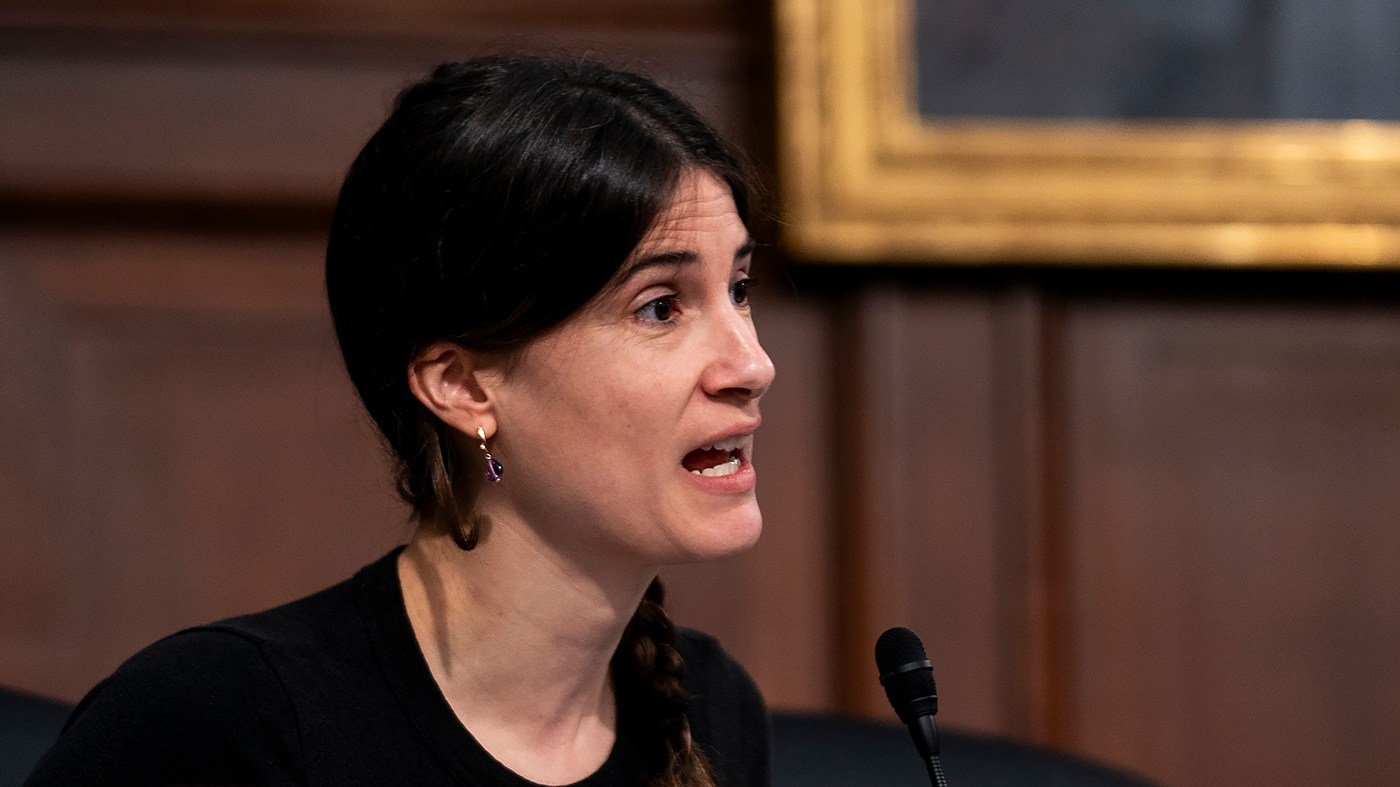
Rogers, a businessman and veteran, secured the nomination with strong support from conservative groups and a well-funded campaign. He will face Democrat David H. Williams in the November general election in a district that heavily favors Republicans.
Power's political career began as a legislative analyst for the Florida House, where he worked for then-state Rep. Marco Rubio, now the U.S. Secretary of State, according to his biography on the state GOP website. He later served as assistant treasurer of the Florida GOP in 2017 before ascending to vice chair and then chair.
During Power's tenure as chair, the GOP's voter registration advantage over Democrats in Florida expanded from roughly 1.1 million in 2024 to about 1.5 million by the end of July, according to the Florida Division of Elections. However, this growth was driven primarily by a decline in Democratic registration—more than 400,000 Democrats left the rolls—while Republican registration actually fell by about 28,000. The overall number of registered voters in the state dropped by more than 750,000 during that period.
Power's campaign faced financial challenges. He loaned his campaign $150,000 since entering the race in January, according to Federal Election Commission filings. As of the end of July, he reported less than $263,000 cash on hand, putting him at a clear disadvantage compared to Rogers and another rival, Keith Gross, who also failed to advance.
Gross had publicly criticized Power for fundraising while serving as state party chair, raising questions about potential conflicts of interest. Power's loss comes amid a broader reshuffling of Florida's congressional map, which has created competitive primaries in several districts. The redrawn boundaries have forced incumbents and newcomers alike to adapt to new constituencies.
In other Florida primaries, Democratic Rep. Jared Moskowitz defeated a DSA-backed challenger, and Rep. Debbie Wasserman Schultz won her primary amid debates over Black representation. Meanwhile, Rogers's victory was bolstered by an endorsement from Sen. Rick Scott, a prominent Florida Republican.
Power's defeat does not immediately threaten his position as state party chair, but it may embolden critics who question his electoral viability. The Florida GOP will now look to rally behind Rogers as it seeks to hold the seat in November.