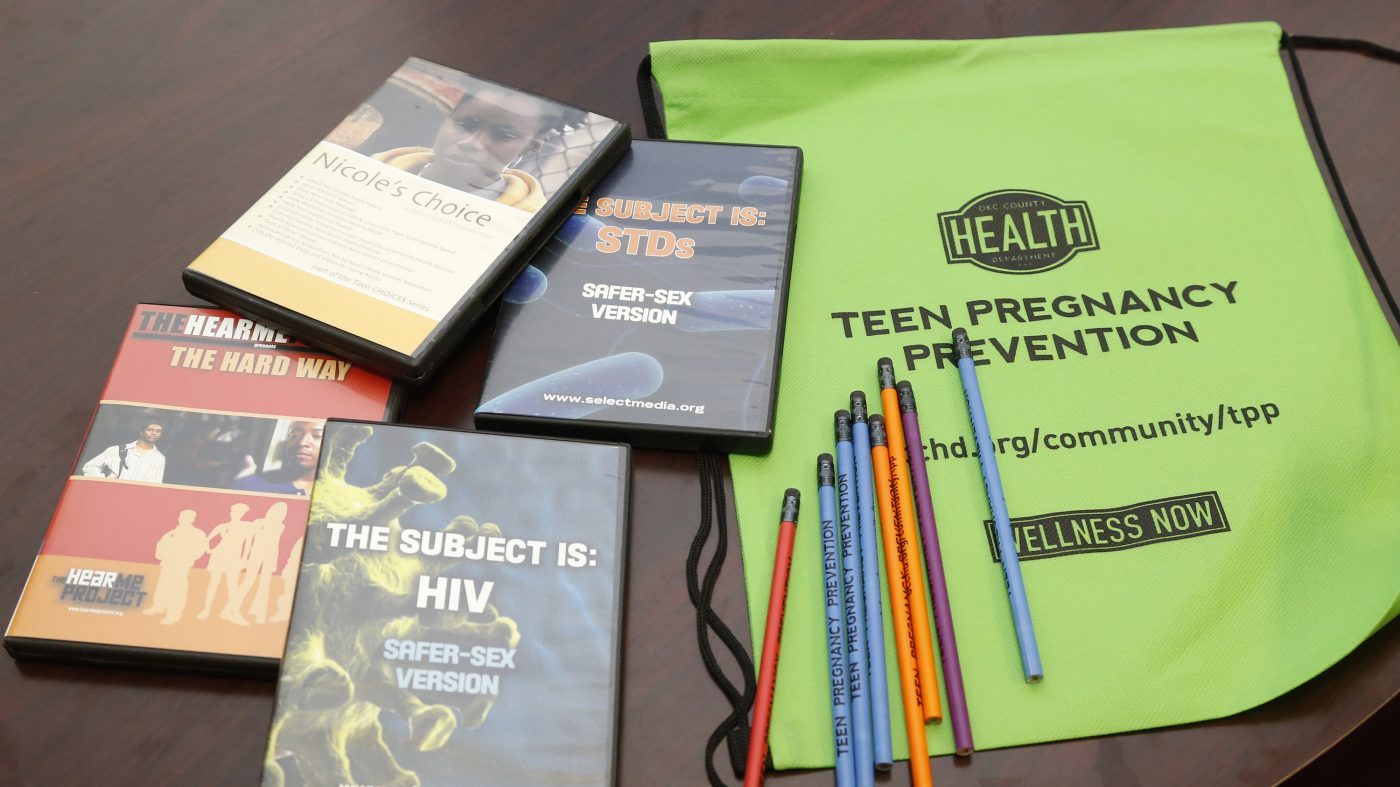
A federal judge in Washington, D.C., on Wednesday dealt a setback to the Trump administration's efforts to reshape a federal teen pregnancy prevention program, temporarily blocking the policy shift that had slashed tens of millions of dollars in grants.
U.S. District Judge Christopher Cooper, an Obama appointee, issued a preliminary injunction against the Department of Health and Human Services (HHS), halting the administration's move to redirect the Teen Pregnancy Prevention (TPP) program toward abstinence-only education. The ruling came in response to a lawsuit filed by several organizations, including a Planned Parenthood affiliate, the Sexuality Information and Education Council of the United States (SIECUS), and two county governments.

The litigation stems from the administration's decision in June to terminate 53 grants worth roughly $67 million, which had been awarded to groups that provided evidence-based sexual health education. HHS abruptly canceled the grants just 72 hours after issuing new funding criteria, saying the programs no longer aligned with agency priorities. The department then issued guidance requiring future grantees to focus on abstinence and "body literacy."
In his ruling, Cooper wrote that HHS is "perfectly entitled to formulate its own views about how to stem teen pregnancy—or even whether it is worth preventing at all—and to pursue policy initiatives consistent with its viewpoint." However, he added, the agency is "not at liberty, under the Administrative Procedure Act, to impose conditions on grant recipients that Congress did not intend or that are unreasonable or unexplained."
The judge found that the preliminary record suggests HHS had indeed overstepped those bounds. He criticized the administration's criteria as "arbitrary and capricious," noting that the shift away from evidence-based programming "would seem to defy social reality, common sense, and scientific evidence alike." Cooper also called "body literacy" a "nebulous concept that appears to elevate fertility and marital procreation over contraception and pregnancy prevention."
The plaintiffs had argued that the changes violated congressional intent, which mandated that TPP programs be grounded in scientific evidence. They also contended that the administration's abrupt cancellation of grants left many organizations in the lurch, disrupting services for young people across the country.
While the injunction blocks the new policy from being implemented during the litigation, Cooper said he did not have the authority to reinstate the canceled grants. The case will now proceed in the lower court.
Skye Perryman, president and CEO of Democracy Forward, which represented some of the plaintiffs, called the ruling "a positive step for young people across the country to be able to receive honest, medically accurate information to empower their health and their futures—not politically motivated messages." She added: "The court recognized what we've argued: this administration cannot override Congress's clear demand that this program be guided by evidence, not ideology."
The decision comes amid broader tensions over the administration's approach to reproductive health policy. The White House has also faced scrutiny over its handling of FDA leadership and its tech innovation push with crypto executives. HHS did not immediately respond to a request for comment.