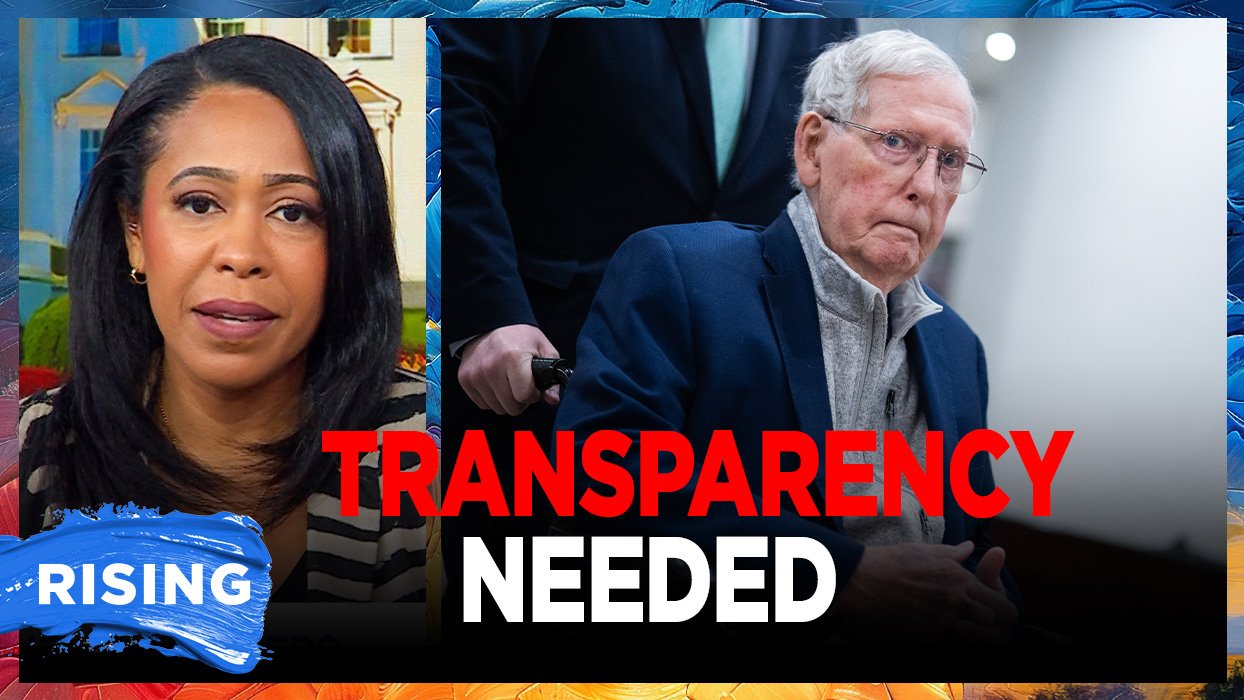
Senate Minority Leader Mitch McConnell has not voted since June 11, and his office's sparse updates have left a vacuum filled with speculation and bipartisan criticism. The longest-serving Senate leader in U.S. history, McConnell was hospitalized on June 14, with only a brief statement citing “excellent care” and no diagnosis or timeline for his return. This has ignited a debate about public accountability for elected officials, as seen in recent discussions on lawmaker health transparency.
Calls for Answers Grow
The lack of official details has led to a flood of unconfirmed reports, including dispatcher audio suggesting CPR was performed at his home. Senators like John Thune and John Barrasso have offered vague reassurances—Thune said they talked, and Barrasso's office noted a “roughly 20-minute” call. CNN commentator Scott Jennings, a former McConnell aide, described a conversation covering Iran, Ukraine, and Senate history. These efforts have been mocked as a “proof-of-life campaign” by Representative Marjorie Taylor Greene, who called Jennings a “RINO Republican establishment hack.”

Conservative commentator Glenn Beck also demanded transparency, saying, “It is unacceptable that the party who spent four years criticizing Joe Biden’s health is now silent on McConnell’s.” This echoes broader concerns about consistency in demanding health disclosures, as highlighted by Kentucky Governor Andy Beshear's call for details after McConnell's cardiac arrest.
Former Allies Join the Chorus
Alyssa Farah Griffin, a former McConnell aide, argued that taxpayers funding his salary warrant more openness. “He has a taxpayer funded role,” she said. “There’s an obligation to give us more transparency.” She suggested McConnell should speak directly to reporters, not just friendly senators. This sentiment crosses party lines, as seen in McConnell's recent meetings with GOP leaders amid persistent health doubts.
The Bigger Issue
The controversy is not just about McConnell’s health but about a broader trend of officials controlling narratives rather than providing honest information. At 84, McConnell has faced a series of health incidents—a fall, concussion, two public freezing episodes, a sprained wrist, and a week-long hospitalization for flu symptoms earlier this year. While the public does not need his full medical history, they are entitled to know if he can perform his duties. As Steve Bannon put it, the Senate’s silence is “kabuki theatre” replacing truth with performance.
This issue resonates beyond McConnell, as his cardiac arrest has cast doubt on his future in the Senate. The demand for transparency is a fundamental expectation of representative government, not an invasion of privacy. Elected officials cannot simply disappear without explanation; the public deserves honesty, not managed stories.