The U.S. economy is presenting a confusing picture, largely because of the massive buildout of artificial intelligence infrastructure. While consumer spending—typically the engine of growth—has faltered, business investment in AI has surged, creating a temporary buffer that masks underlying fragility.
In the first quarter, business fixed investment jumped 10.4%, accounting for three-quarters of the economy's 2% growth, according to the Bureau of Economic Analysis. That's a stark shift from the usual pattern where consumer spending, which makes up nearly 70% of aggregate demand, leads the way. This dynamic is expected to persist as Wall Street firms raise their forecasts for AI-related spending. Morgan Stanley now predicts that five major tech companies—Amazon, Alphabet, Meta, Microsoft, and Oracle—will invest over $800 billion this year and $1.1 trillion next year, a figure that would exceed current U.S. defense spending.

If those projections hold, former White House AI czar David Saks estimates the capital expenditure could add roughly 2.5% to GDP growth this year and more than 3% next year. John Mowrey, chief investment officer of NFJ Investment Group, calls it the largest capex cycle in modern history, rivaling the 19th-century railroad expansion.
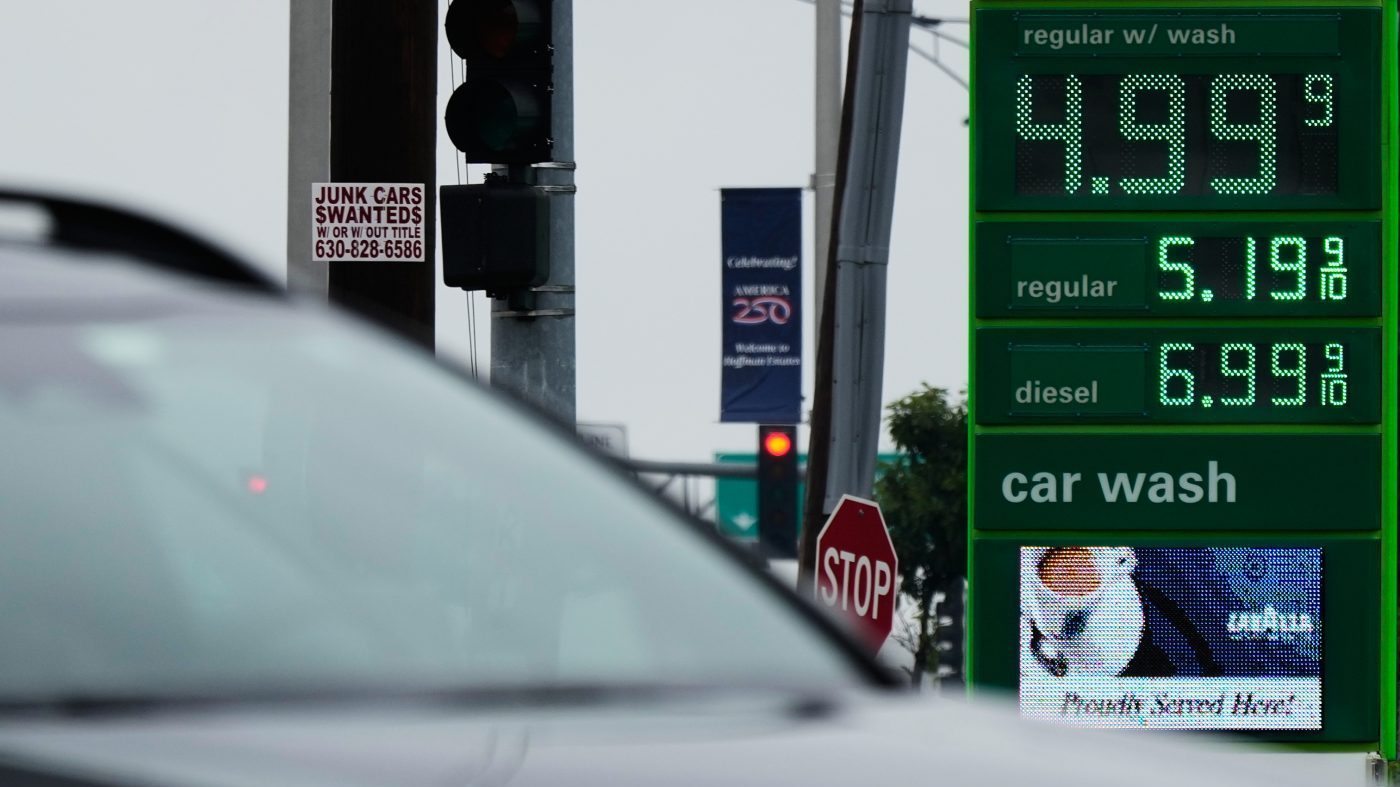
Yet consumer confidence has cratered. The University of Michigan's April survey hit its lowest level since 1952, driven by fears of high inflation tied to the ongoing conflict with Iran. Consumer prices rose 3.8% year-over-year in April, while producer prices climbed 6%, with further increases expected. This disconnect between consumer pessimism and AI-fueled optimism is a central tension in the current economic landscape. As recent polling shows, even GOP support for the president's economic stewardship has slipped significantly as inflation bites.
Wall Street Journal chief economics commentator Greg Ip argues that AI investment is distorting the economic picture. Much of the spending goes toward imported semiconductor chips, meaning the net boost to GDP is smaller than the headline numbers suggest. He also notes that if the AI investment boom becomes a bubble, the eventual slowdown might be less severe than feared, because data center construction is concentrated in just 33 counties that account for 72% of facilities.
Comparing the current wave to the 1990s tech boom offers some cautionary lessons. Economist Mark Doms, writing for the Federal Reserve Bank of San Francisco in 2003, found that much of the late-1990s IT investment surge was driven by overly optimistic revenue expectations, especially in telecommunications. Capital spending by telecom providers doubled from 1997 to 2000, then collapsed by half over the next two years. The current AI capex cycle is even faster, having quadrupled in recent years, fueled by expectations of high returns.
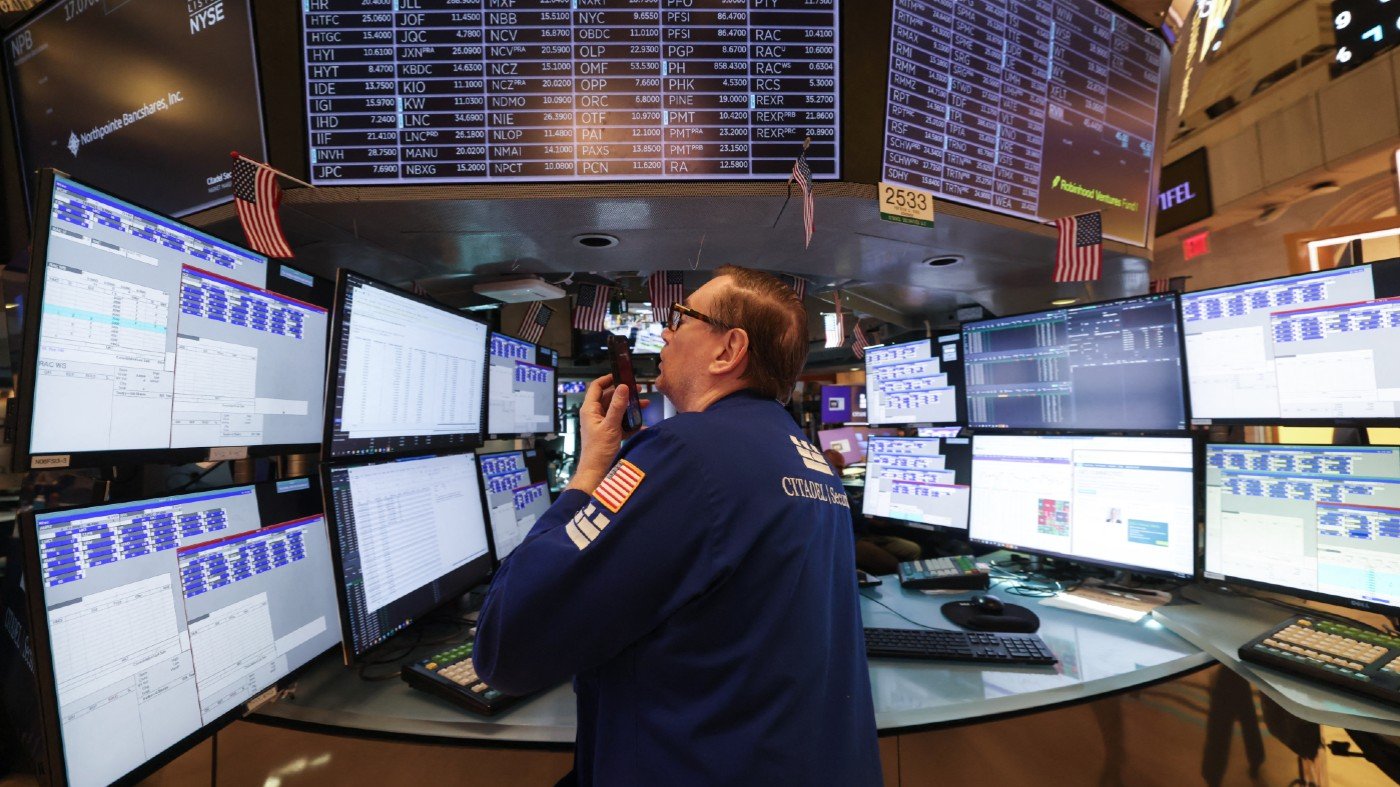
Equity investors remain enthusiastic, largely because profit growth at the leading AI firms has been extraordinary. First-quarter 2026 earnings per share estimates for the Magnificent 7 show nearly 60% annual growth, compared with about 20% for the rest of the S&P 500, according to Charles Schwab. But there are warning signs. Bank of America data reveals that AI-focused tech companies issued $75 billion in U.S. investment-grade debt from September to October—more than double the sector's average annual issuance of $32 billion over the previous decade. This reliance on debt rather than internal cash flow is a growing concern.
The cyclically adjusted price-earnings ratio for the S&P 500, developed by Nobel laureate Robert Shiller, now sits above 40, close to the record set in 2000. The biggest AI companies have re-emerged as market leaders, but the parallels to the dot-com era are hard to ignore.
My assessment is that when AI capital spending inevitably slows, U.S. economic growth will decelerate and the stock market will likely enter bear territory. However, a severe recession is not my base case. Banks' exposure to the AI buildout remains limited, reducing the risk of a broad credit crunch. The key variable is timing: how long can the AI capex boom sustain an economy that is otherwise showing signs of strain?