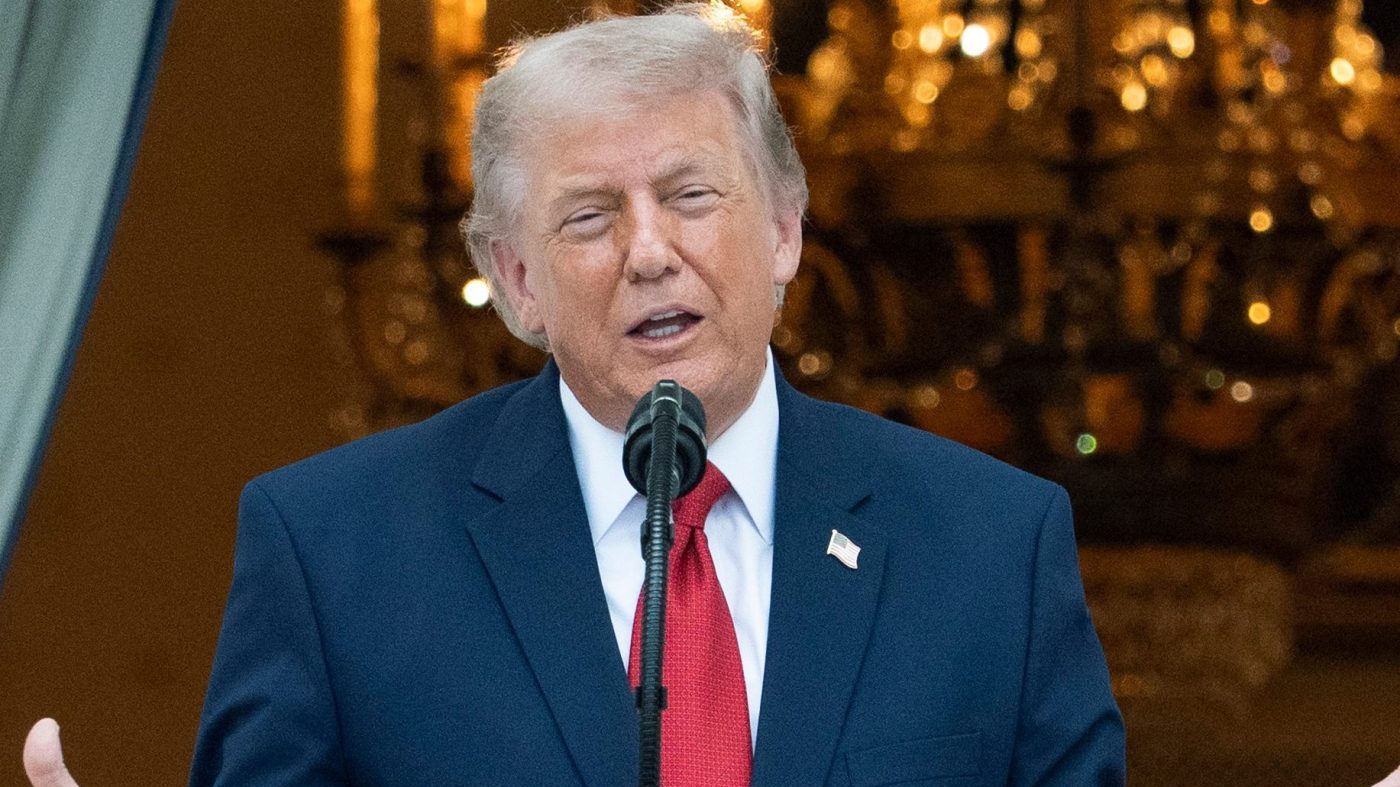
A new survey from the Associated Press-NORC Research Center reveals a notable erosion of Republican confidence in President Trump's stewardship of the economy, even as the party's overall approval of his performance remains steady.
The poll, released Wednesday, found that 63% of Republican adults approve of Trump's economic management—a 15-point drop from the 78% recorded at the beginning of his second term. This decline comes amid rising inflation and a prolonged conflict with Iran that has pushed gas prices above $4 per gallon nationwide.
The consumer price index, a key inflation measure, rose 3.8% over the past year, driven largely by higher costs for shelter, energy, and gasoline, according to the Labor Department. AAA data shows that every U.S. state now has an average gas price above $4 per gallon, with West Coast states, Hawaii, and Alaska exceeding $5. The national average stands at $4.55 per gallon.
Patrick De Haan, head of petroleum analysis at GasBuddy, noted in a blog post that gas prices initially dipped on hopes of U.S.-Iran diplomatic progress but rebounded after President Trump's meeting with China's Xi Jinping failed to yield a breakthrough on Tehran. “Renewed warnings toward Tehran have helped push oil prices higher again,” De Haan wrote, predicting continued volatility for gas and diesel in the coming weeks.
Behind the scenes, Republican strategists are increasingly concerned that economic frustration could fuel a voter backlash in the November midterm elections, threatening the party's slim congressional majority. Publicly, however, GOP leaders project confidence in retaining control.
Trump appeared to dismiss those anxieties last week, telling reporters he does not think “even a little bit” about Americans' financial concerns when formulating his approach to Iran. The comment has drawn criticism from some quarters, even as the president's overall approval rating remains largely unchanged: about 60% of U.S. adults disapprove of his job performance, while roughly 30% approve.
On the economy specifically, just one-third of all respondents now approve of Trump's actions, down from 40% at the start of his second term. The survey was conducted May 14–18 among 1,117 adults and has an overall margin of error of 3.8 percentage points. For Republican and GOP-leaning respondents, the margin rises to 5.9 points.
The findings come as Trump's influence within the party faces tests in primaries and internal debates, including his endorsement of Ken Paxton over Senator John Cornyn in Texas—a move that has stunned Senate Republicans and risked a key seat, as reported by The World Signal. Meanwhile, Trump's judicial picks continue to bear the imprint of the Federalist Society, despite his public rift with the group.
Democratic figures, including California Governor Gavin Newsom, are also sharpening their anti-Trump strategy, calling for a clear identification of political “villains” to rally voters. The Pentagon's suspension of a joint defense board with Canada, amid escalating tensions between Trump and Prime Minister Justin Trudeau, adds another layer of complexity to the political landscape.