A Senate panel on Wednesday subjected representatives from the sports betting and prediction market industries to sharp questioning over their marketing tactics, integrity safeguards, and consumer protection measures, as concerns mount over betting scandals and the rise of unregulated wagering platforms.
The hearing, convened by the Senate Commerce and Technology Committee, comes amid growing unease about the integrity of professional sports and the potential for insider trading on prediction markets, where users can bet on political and cultural events. Lawmakers from both parties expressed frustration with what they described as an explosion of gambling advertising targeting young people on social media.
“Fans need to be assured that game rigging is rare, and that anyone caught doing it will be punished harshly if not banned forever,” said Sen. Ted Cruz (R-Texas), the committee’s chairman. He noted that the rapid expansion of legal sports betting across the country—now available in nearly every state, often via smartphone—has amplified these risks.
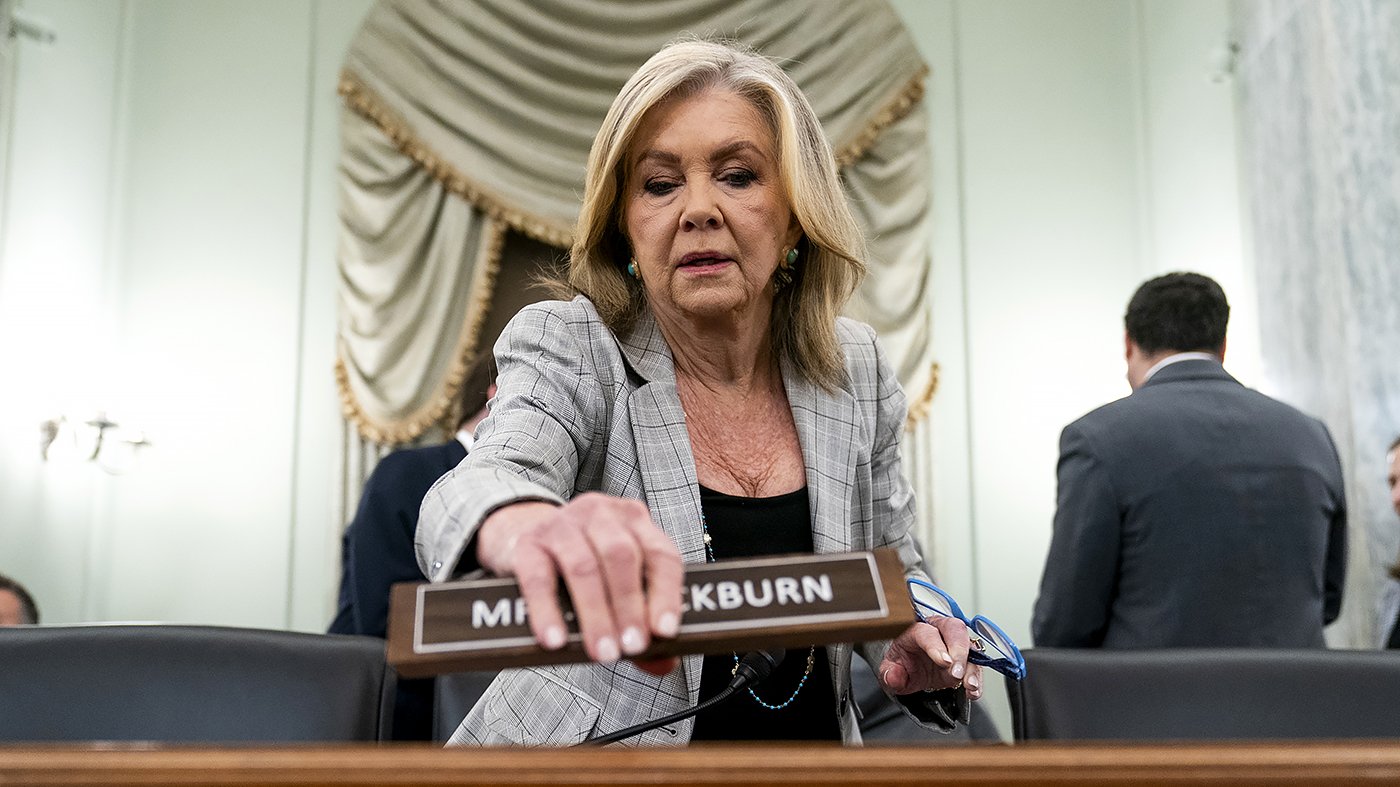
Sen. Marsha Blackburn (R-Tenn.) highlighted the role of prediction markets, which allow contracts on non-sports events. “The introduction of sports event contracts on prediction markets has exposed more people to sports betting,” she said. “There are real concerns that they function much like traditional sports betting without the enforcement of state regulators and attorneys general.”
A key theme of the hearing was the distinction between sports gambling and prediction markets, with several senators arguing that most Americans see little difference between the two. Bill Miller, president and CEO of the American Gaming Association, defended the industry, telling lawmakers that major operators like FanDuel, DraftKings, and BetMGM have strengthened integrity monitoring and law enforcement partnerships. He also pushed back against accusations that sportsbooks target minors through social media algorithms, stating, “we do not” advertise to children. When Blackburn pressed him on the opacity of those algorithms, she cut him off, saying, “they don’t build their algorithms and they don’t open them.”
Former Rep. Patrick McHenry (R-N.C.), now an advisor for the Coalition for Prediction Markets, argued that conflating the two sectors is misleading. “In a casino or sportsbook, the house sets the odds and profits when customers lose. In a prediction market exchange, participants trade with one another, while the platform earns transaction fees,” he said. “The incentives are fundamentally different.” He noted that prediction markets are regulated by the Commodity Futures Trading Commission (CFTC), but critics remain skeptical.
Dr. Harry Levant, director of gambling policy at the Public Health Advocacy Institute, urged federal intervention, describing an “unregulated avalanche of advertising” on social media that encourages young people to view gambling as an investment. “18-year-olds are being told this is an investment,” he said. “There’s a huge need for federal oversight because of what’s happening with the children, and it’s significantly worse now with prediction markets.” His testimony echoed concerns that pervasive gambling culture on college campuses and social media makes young athletes vulnerable to bribery and corruption.
Some lawmakers expressed deeper unease about prediction markets than traditional sportsbooks. Sen. Jacky Rosen (D-Nev.) quipped, “A rose by any other name still smells as sweet. What is the risk in allowing prediction markets to circumvent meaningful mandatory consumer protections? They’re just trying to get around the rules.” In response, McHenry insisted that prediction markets are working closely with the CFTC, and that existing federal standards apply. “To say there’s not federal standard in this realm is not true,” he said. “What they’re doing is using new tech to access a very old type of exchange in a swaps market which has been around for 100 years.”
The hearing also touched on broader regulatory gaps. While some gaming officials signaled openness to working with Congress on reforms, a clear path to a federal framework for sports wagering remains elusive. One industry official, speaking ahead of the hearing, acknowledged that the regulated market is “not perfect, nor should it be immune from scrutiny or improvement,” but argued that legal operators are “indispensable partners in preserving integrity, protecting consumers, and ensuring accountability across the modern sports wagering ecosystem.”
Related coverage: A new anti-Kalshi group launched a D.C. ad blitz ahead of the hearing, and Congress is targeting prediction markets over youth gambling risks.