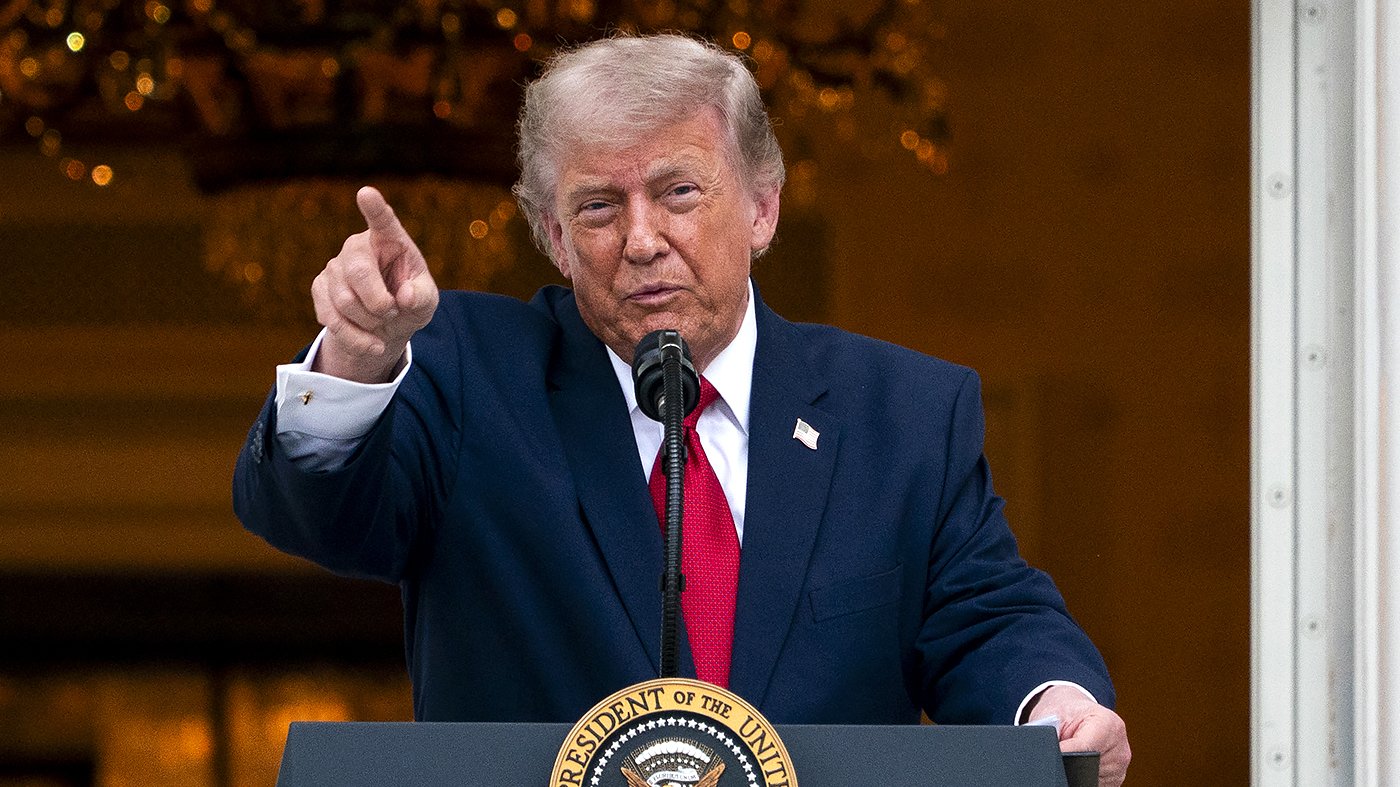
President Trump used Wednesday's Cuban Independence Day observance to deliver a blistering critique of the island's communist government, hours after his administration unsealed murder charges against former President Raúl Castro. In a statement, Trump drew parallels between Cuba's 19th-century independence fighters and America's own revolutionaries, then accused the current regime of betraying that legacy.
“The regime in Havana today is the direct betrayal of the nation their founding patriots bled and died for,” Trump said. He charged that for nearly seven decades, Cuba's rulers have “violently dismantled political freedom, denied its people fair elections, viciously silenced dissent, and strangled the Cuban economy into a state of collapse.”
The president framed his broader policy push as “decisive action on behalf of this long-suffering corner of our hemisphere,” citing the recent capture of Venezuelan President Nicolás Maduro—a key Cuban ally—and fresh sanctions against Havana. Trump vowed not to tolerate a “rogue state” hosting hostile foreign military and intelligence operations just 90 miles from U.S. shores.
“My commitment is ironclad,” he added, promising to keep pressing until Cubans regain the freedoms their forefathers fought for more than a century ago. The statement closed with a salute to Cuban Americans, whom Trump said have “profoundly enriched the life of our Nation,” and an expression of confidence in a “new Golden Age” for the island.
Earlier Wednesday, the Department of Justice indicted Raúl Castro, 94, on charges of conspiracy to kill U.S. nationals and destruction of aircraft, tied to the 1996 shootdown of two civilian planes operated by Cuban exiles from Miami. Castro served as defense minister at the time and later succeeded his brother Fidel as president, stepping down in 2018. The U.S. still considers him Cuba's effective leader.
The indictment, detailed in a separate report, marks an extraordinary legal escalation against a foreign former head of state. It comes amid a broader administration crackdown that has seen the capture of Maduro and the seizure of Venezuela's oil, cutting off a critical lifeline for Cuba. The ensuing energy crisis has triggered rolling blackouts and protests on the island.
Trump warned other nations that he would impose tariffs on any country that supplies oil to Cuba, tightening the economic squeeze. However, he downplayed the prospect of direct military action, telling reporters Wednesday that “the place is falling apart” but that there “won't be escalation.” Still, some hawkish Republican lawmakers have floated the idea of regime change in Cuba, Venezuela, and Iran.
The administration's heightened rhetoric toward Havana comes as Trump's approval ratings have slipped amid the ongoing Iran conflict, according to a recent poll showing growing GOP discontent. The president's focus on Cuba appears aimed at rallying his base and Cuban American voters ahead of midterm elections, even as internal GOP battles over strategy continue.
It remains unclear whether the legal action against Castro will lead to any practical outcome, given that he remains in Cuba and the U.S. has no extradition treaty with the island. But the symbolic weight of the indictment—issued on Cuba's Independence Day—was not lost on observers, as Trump sought to draw a stark contrast between the country's founding ideals and its current reality.