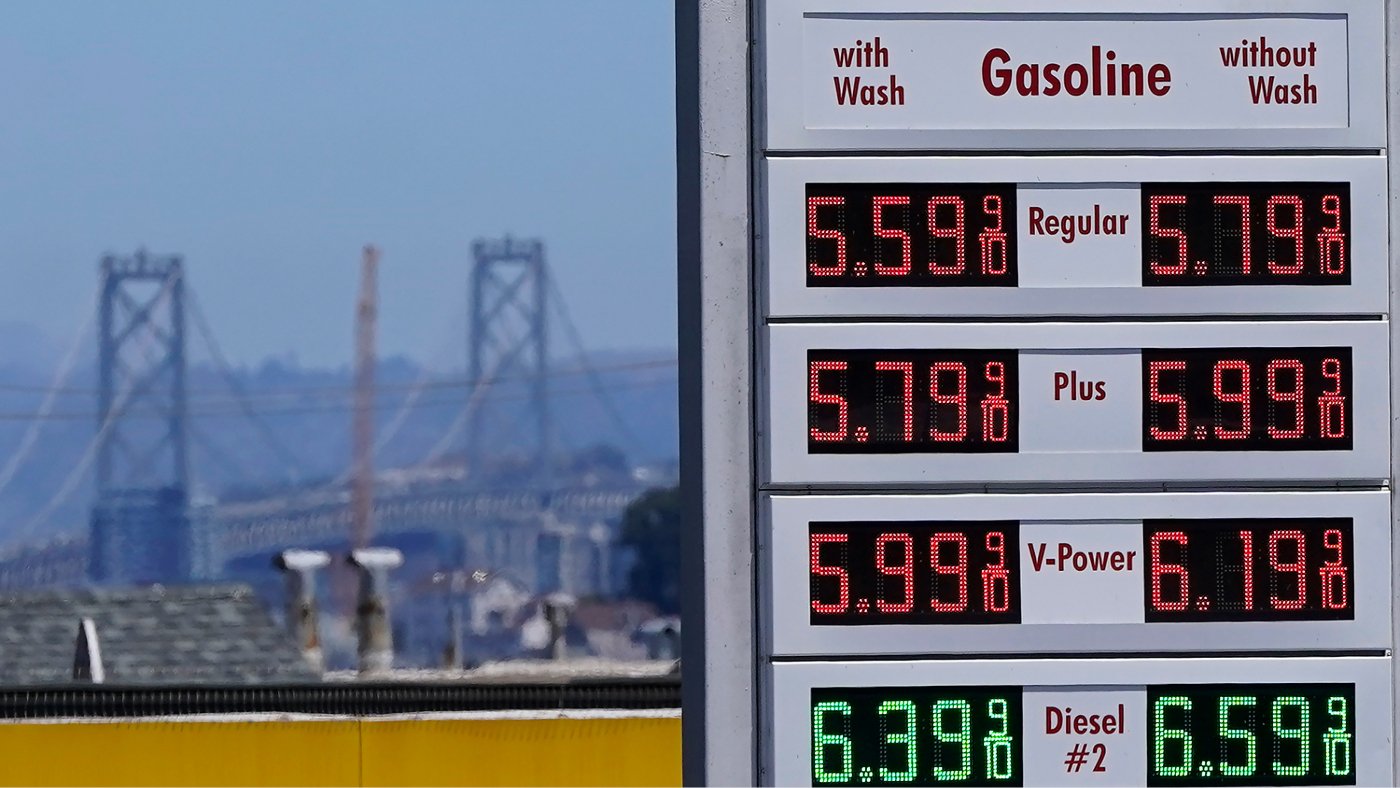
For the first time in years, drivers across the United States are paying more than $4 for a gallon of regular gasoline, with the national average now hovering around $4.56, according to AAA. The milestone comes as the U.S. military campaign against Iran approaches its three-month mark, effectively shutting down the Strait of Hormuz—a critical chokepoint for global oil shipments.
Western states have borne the brunt of the price surge. California, Washington, Oregon, Nevada, Hawaii, and Alaska all saw average prices above $5 as of Wednesday afternoon, with California leading the pack at over $6 per gallon. In contrast, the Southeast has fared somewhat better, with Georgia recording the lowest average in the country at roughly $4.01.
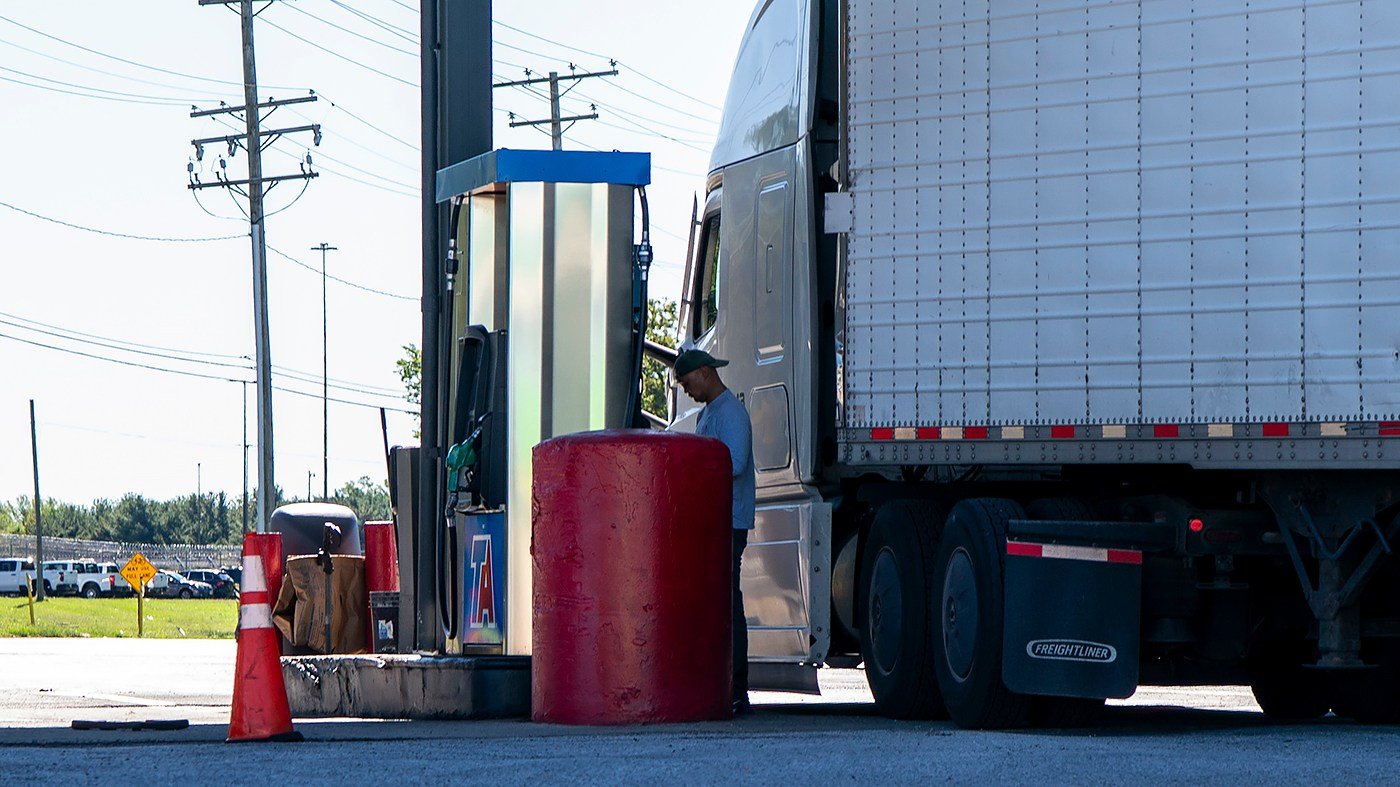
The conflict, which began on February 28 and is currently under an indefinite ceasefire, has paralyzed the Strait of Hormuz, through which about 20% of the world's oil passes. The resulting supply crunch has sent energy costs skyrocketing, rippling through the broader economy and fueling inflation concerns. The combination of tariffs and wartime disruptions is expected to keep prices elevated through 2025, according to analysts.
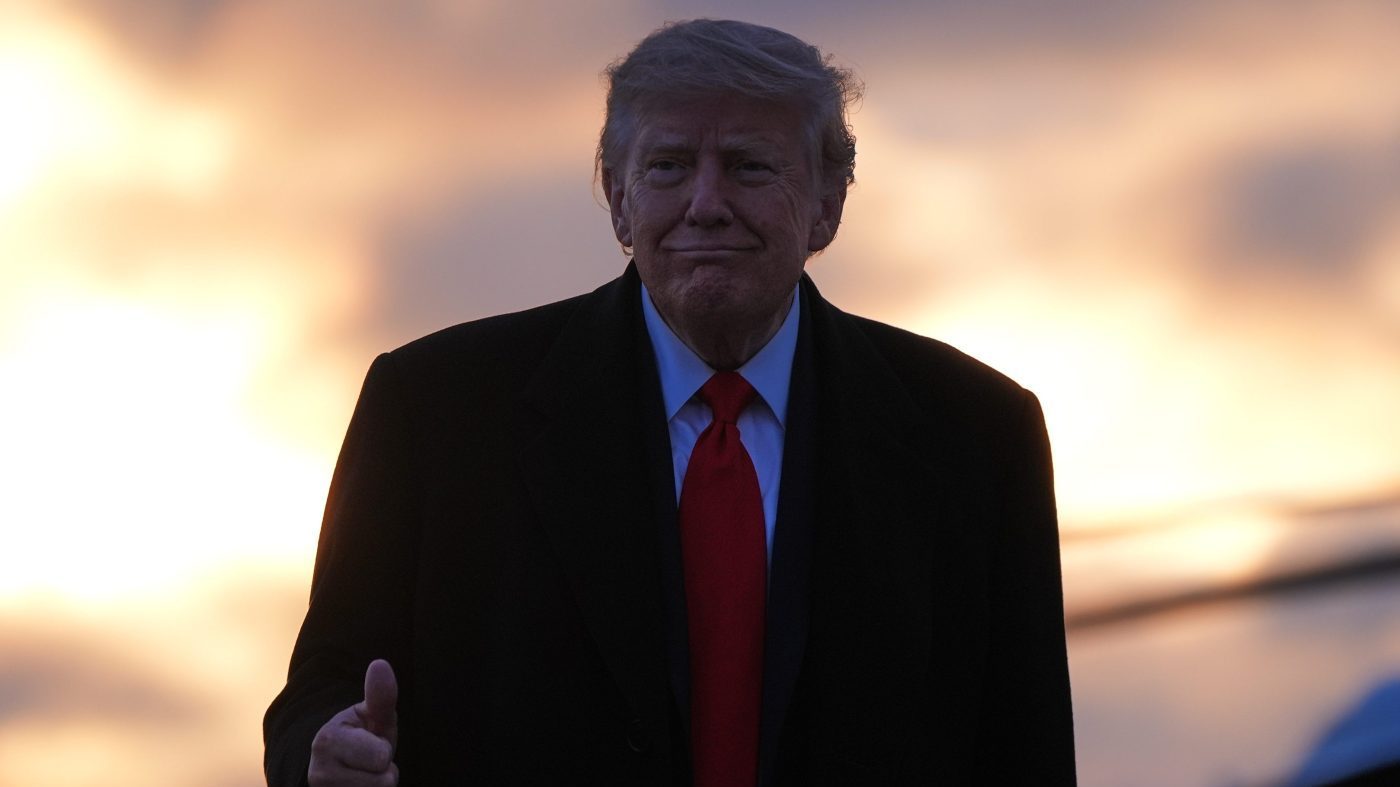
In response, President Trump has floated the idea of suspending the federal gas tax to provide immediate relief at the pump. However, the proposal faces significant resistance in Congress, even among Republicans. House Speaker Mike Johnson (R-La.), who is fighting to preserve his party's slim majority in the upcoming fall elections, has voiced skepticism.
In a Sunday interview, Johnson linked the economic pain directly to the conflict, stating that “economic trouble” Americans are facing “is related directly to the Strait of Hormuz.” He added, “Really, all points lead back to that. Gas prices are too high because of that, and then that has an effect on how goods are transported to the grocery store and all the rest.”
The political stakes are high as Republicans defend their narrow control of the House. Democrats have seized on the price spike, hammering the GOP’s energy agenda and pledging to deliver lower costs if given the chance to lead. Meanwhile, some states are taking matters into their own hands—Oregon voters recently rejected a proposed gas tax increase, reflecting public frustration with rising costs.
Energy experts warn that the situation could worsen if the Strait of Hormuz remains effectively closed or if the ceasefire collapses. The U.S. has deployed additional naval assets to the region, but a lasting resolution remains elusive. For now, American motorists are left to grapple with the highest prices since the 2022 inflation surge, with no quick fix in sight.