When conservatives branded President Joe Biden’s economic policies as “Bidenflation” amid soaring prices, they set a precedent. Now, with President Donald Trump’s tariff regime and military conflict reigniting cost pressures, it’s only fitting to call the current trend “Trumpflation.” While the inflation rate hasn’t hit the 9.1% peak of Biden’s term, it’s proving stubbornly persistent—and political consequences are looming.
From Disinflation to Reversal
In January 2025, when Trump took office, inflation stood at 3.0%, having steadily fallen from Biden-era highs. By April 2025, it had dipped to 2.3%, nearing the Federal Reserve’s 2% target. Then came Trump’s Reciprocal Tariffs program, announced on April 2 as “Liberation Day.” The policy, which the Tax Foundation later described as arbitrary and economically damaging, immediately disrupted supply chains and forced U.S. importers to pass costs to consumers.
Within months, inflation ticked up: 2.4% in May, 2.6% in June and July, 2.9% in August, and 3.0% in September. The downward trend had vanished. By March 2025, the rate jumped to 3.3%, and in April it hit 3.8%. The Producer Price Index, a key gauge of wholesale costs, surged to 6.0% in April, with core PPI (excluding food and energy) rising 4.4%.
Tariffs and the Iran War Fuel the Fire
The tariffs, which the Supreme Court later ruled illegal, were supposed to be paid by foreign countries, as Trump repeatedly claimed. But multiple economic studies confirmed that U.S. companies and consumers bore the cost. The administration is now refunding those duties to American firms—not foreign governments—after the Court’s decision. Meanwhile, the war with Iran has driven up oil prices, with the Strait of Hormuz closure adding a supply shock.
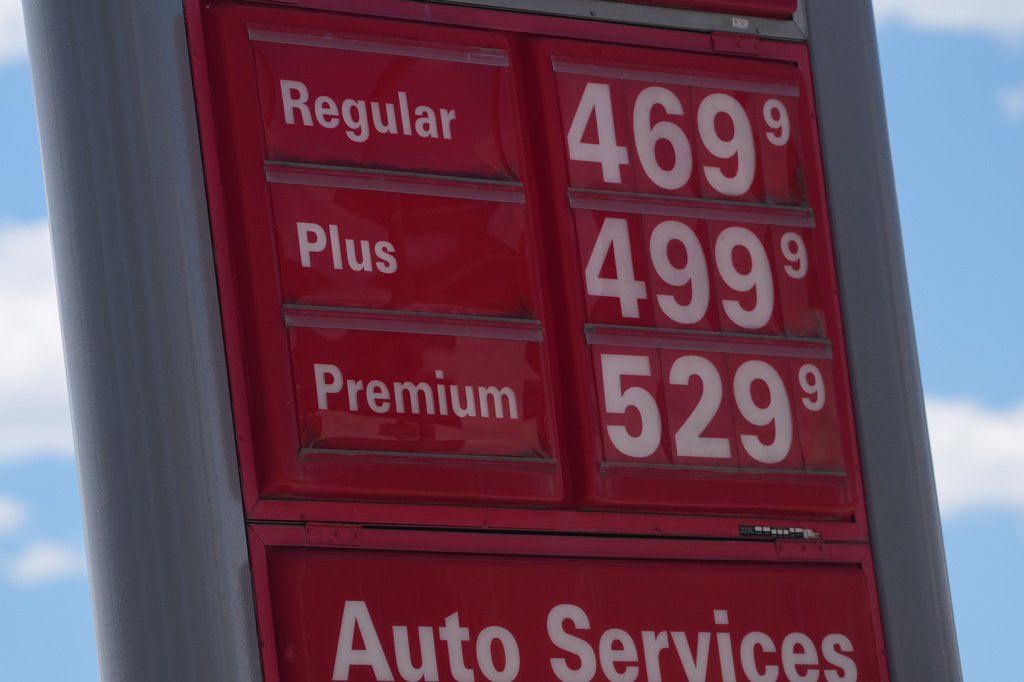
Trump has promised relief, stating, “Our inflation is just short-term. As soon as this war is over, you’re going to see inflation go down to probably 1.5 percent.” But history suggests otherwise. After the 2022 peak, it took a year for inflation to drop from 9.1% to 3.0%, even as gasoline prices fell from $4.71 to $2.99 per gallon in six months. The current combination of ongoing tariffs and geopolitical instability makes a rapid decline unlikely.
Political Fallout for Republicans
The good news for the White House is that Trumpflation probably won’t reach Biden-era extremes. The bad news is that elevated prices are expected to persist for months, creating a political headache for Republicans ahead of the November midterm elections. Voters, already frustrated by inflation, may vent their anger at the ballot box.
Trump’s slipping approval ratings and the ongoing controversy over his $1.78B fund for allies claiming Biden-era persecution have only added to the turmoil. As Acting Attorney General Blanche faces Senate grilling over the DOJ budget, the administration’s economic credibility is under scrutiny.
In short, Trumpflation isn’t temporary—it’s a structural consequence of trade war and military conflict. And with midterms approaching, the price tag may be political as well as economic.