The World Health Organization’s director-general voiced deep concern Tuesday over the rapid acceleration of a rare Ebola strain in eastern Congo, where authorities now report at least 131 suspected deaths and more than 500 suspected cases. The outbreak, caused by the Bundibugyo virus, has no approved treatments or vaccines, raising fears of an uncontrolled spread.
Health officials acknowledged the virus circulated undetected for weeks after the first known death on April 24, as initial tests focused on the more common Zaire strain of Ebola. Those tests came back negative, leading local authorities to rule out Ebola until mid-May, when the WHO was finally alerted to dozens of deaths, including four healthcare workers.
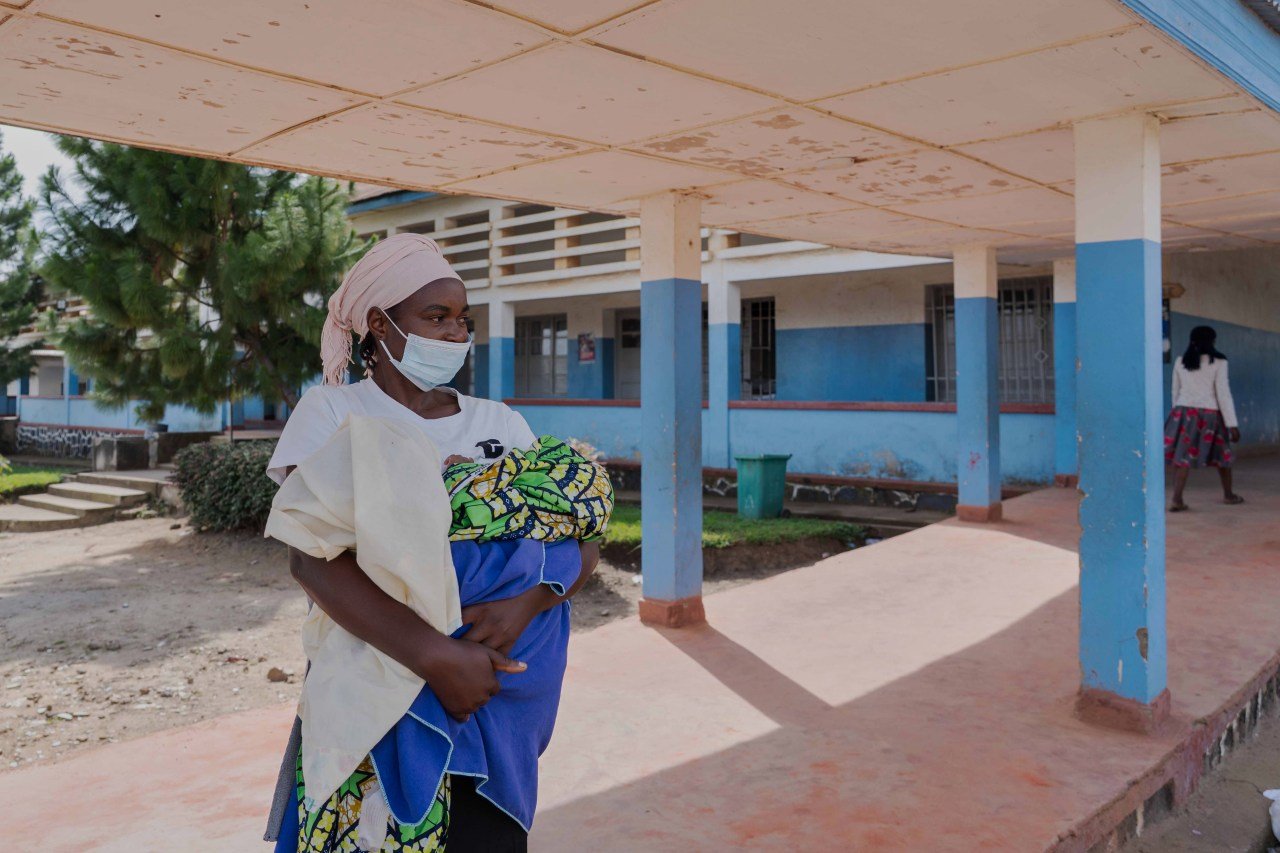
Congo’s health minister, Samuel Roger Kamba, said investigations are underway to confirm whether all reported deaths and suspected cases are linked to the disease. The outbreak has hit urban centers like Bunia, the capital of Ituri province, and Goma, the rebel-held capital of North Kivu, as well as the densely populated towns of Mongbwalu, Nyakunde, and Butembo.
WHO Director-General Tedros Adhanom Ghebreyesus said he is “deeply concerned about the scale and speed of the epidemic,” pointing to cases emerging in cities, the deaths of healthcare workers, and significant population movement. The WHO has declared the outbreak a public health emergency of international concern, triggering a coordinated response. Resources are being rushed to the two affected provinces near the Ugandan border, which has already reported one death from a traveler who arrived from Congo.
The head of the WHO team in Congo, Dr. Anne Ancia, said authorities have not yet identified “patient zero.” She noted that the Ervebo vaccine, used against the Zaire strain, is being considered for possible use, but even if approved, it would take two months to become available. Neither the U.S. Centers for Disease Control and Prevention nor the Africa Centers for Disease Control are on the ground, though organizations like Doctors Without Borders and the Red Cross are present.
Jean-Jacques Muyembe, a virologist at Congo’s National Institute of Bio-Medical Research, criticized the surveillance system, saying, “Our surveillance system didn’t work. The Bunia laboratory should have continued searching and sent samples to the national laboratory. Something went wrong there. That’s why we ended up in this catastrophic situation.” He added that members of parliament and senators were aware of deaths but remained silent.
Matthew M. Kavanagh, director of the Georgetown University Center for Global Health Policy and Politics, criticized the Trump administration’s withdrawal from the WHO and cuts to foreign aid, calling them a blow to “the exact surveillance system meant to catch these viruses early.” The U.S. State Department pushed back, saying it provided $13 million in assistance and acted immediately.
Ebola is highly contagious through bodily fluids, and the disease is often fatal. During past outbreaks, many infections occurred during community funerals. Dr. Craig Spencer, a Brown University professor who survived Ebola after contracting it in Guinea, noted, “Ebola is very much a disease of compassion in that it impacts the people who are more likely to be taking care of sick folks.”
Residents in Bunia are growing increasingly panicked. Noëla Lumo, who lived through previous outbreaks in Beni, said she began making protective masks by hand when she heard about the latest one. “I know the consequences of Ebola, I know what it’s like,” she said. The region already grapples with a humanitarian crisis and armed group violence, complicating the response.
For more on global health emergencies, see WHO Declares Global Emergency as Rare Ebola Variant Spreads in Congo and Uganda. The U.S. has also invoked travel restrictions; read CDC Invokes Title 42 to Ban Travelers from Ebola-Affected African Nations.