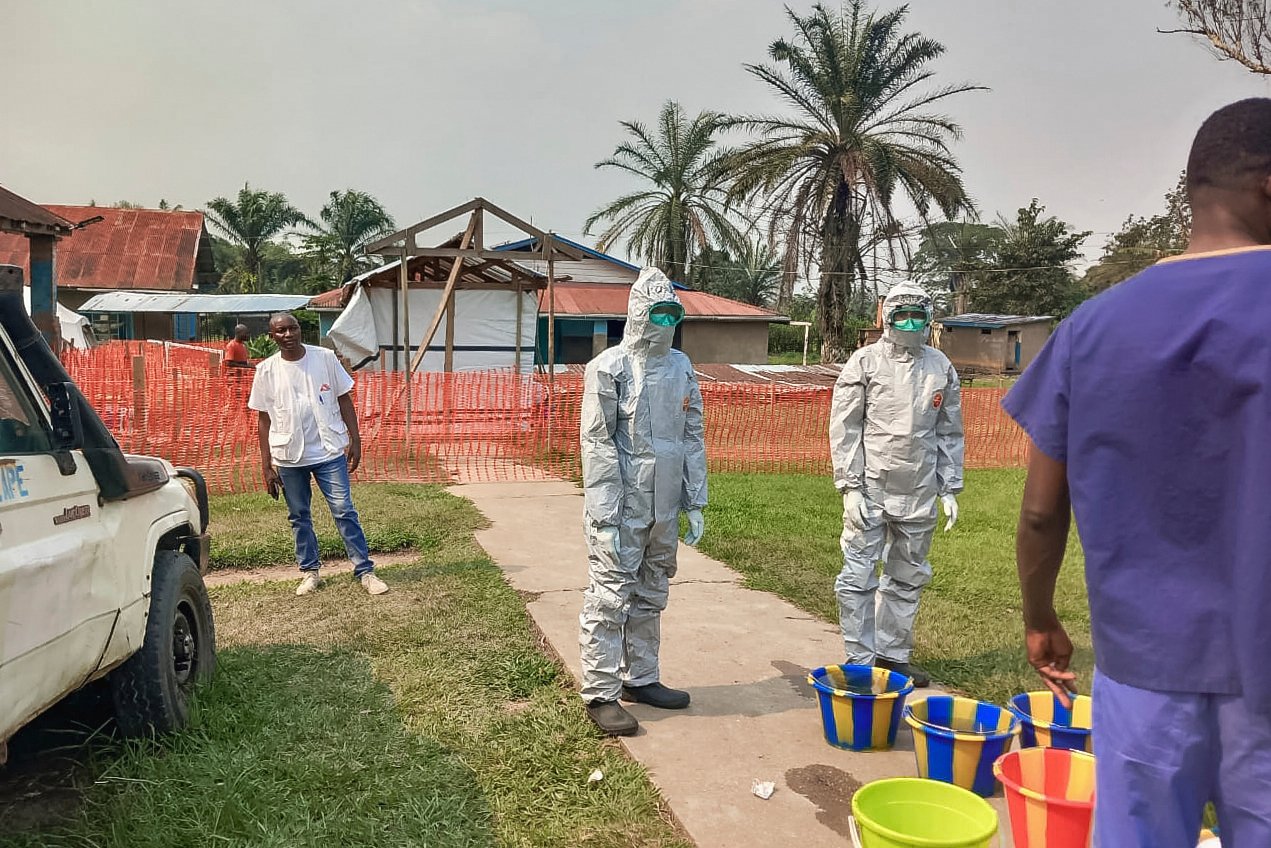
The Centers for Disease Control and Prevention (CDC) has enacted a travel ban barring foreign passport holders who have visited Uganda, the Democratic Republic of the Congo, or South Sudan within the past 21 days from entering the United States. The move, announced late Wednesday, comes as an Ebola outbreak fueled by the rare Bundibugyo virus intensifies in Central Africa.
The agency is invoking Title 42, a public health law that empowers the CDC director to block noncitizens from entry for up to 30 days. The order, signed by National Institutes of Health Director Jay Bhattacharya, who is also serving as acting CDC head, exempts U.S. citizens, military personnel, and those granted waivers by the Department of Homeland Security.

“At this time, CDC assesses the immediate risk to the general U.S. public as low, but we will continue to evaluate the evolving situation and may adjust public health measures as additional information becomes available,” the agency stated.
Outbreak Details and Global Emergency
The World Health Organization has declared the outbreak a public health emergency of international concern, with over 330 suspected cases and 88 deaths. The Bundibugyo virus, which has no approved vaccine, carries a fatality rate of 25 to 50 percent, and treatment is limited to supportive care. The incubation period ranges from 2 to 21 days, with most cases showing symptoms within 4 to 10 days; infected individuals are not contagious until symptoms appear.
The outbreak is centered in eastern DRC’s Ituri Province, a region plagued by conflict and weak health infrastructure. The CDC order noted that “porous borders” in the area are complicating containment. South Sudan, though free of confirmed cases, is considered high risk due to its proximity to affected zones.
Enhanced Screening and Travel Risks
The CDC is ramping up screening at U.S. airports and ports of entry, coordinating with airlines and international partners to identify travelers potentially exposed to the virus. The agency warned that complex itineraries and the speed of international travel make it difficult to intercept infected individuals before arrival. “Even a limited number of infected travelers could create significant public health response demands, particularly if exposure events occur in high-density urban environments,” the order stated.
This travel restriction follows the WHO's declaration of a global emergency as the rare variant spreads. The CDC advises anyone who has been in the affected countries to seek immediate medical attention if they develop fever, weakness, vomiting, diarrhea, or unexplained bleeding within 21 days of travel.
The ban highlights ongoing concerns about the Trump administration's approach to public health preparedness. Critics have pointed to cuts to health agencies that have hampered responses to other outbreaks, though the CDC maintains its current measures are sufficient. The order underscores the delicate balance between protecting public health and avoiding overreaction, a lesson from the COVID-19 pandemic.