Just a year ago, the 2026 Senate landscape appeared locked in Republican hands. The House was always seen as a Democratic pickup, but the Senate map was far less forgiving. Now, a toxic political climate for the GOP has flipped the script, putting the upper chamber within reach for Democrats.
President Trump’s approval rating has sunk to 38 percent, a historic low that even undercuts the 2018 blue wave cycle. As New York Times chief political analyst Nate Cohn noted, Trump’s numbers are worse than those of Bill Clinton in 1994 or Barack Obama in 2010—both years that produced sweeping Republican midterm victories. The shift has been dramatic: prediction markets that gave Republicans a 70 percent chance of holding the Senate last May now call it a coin toss.

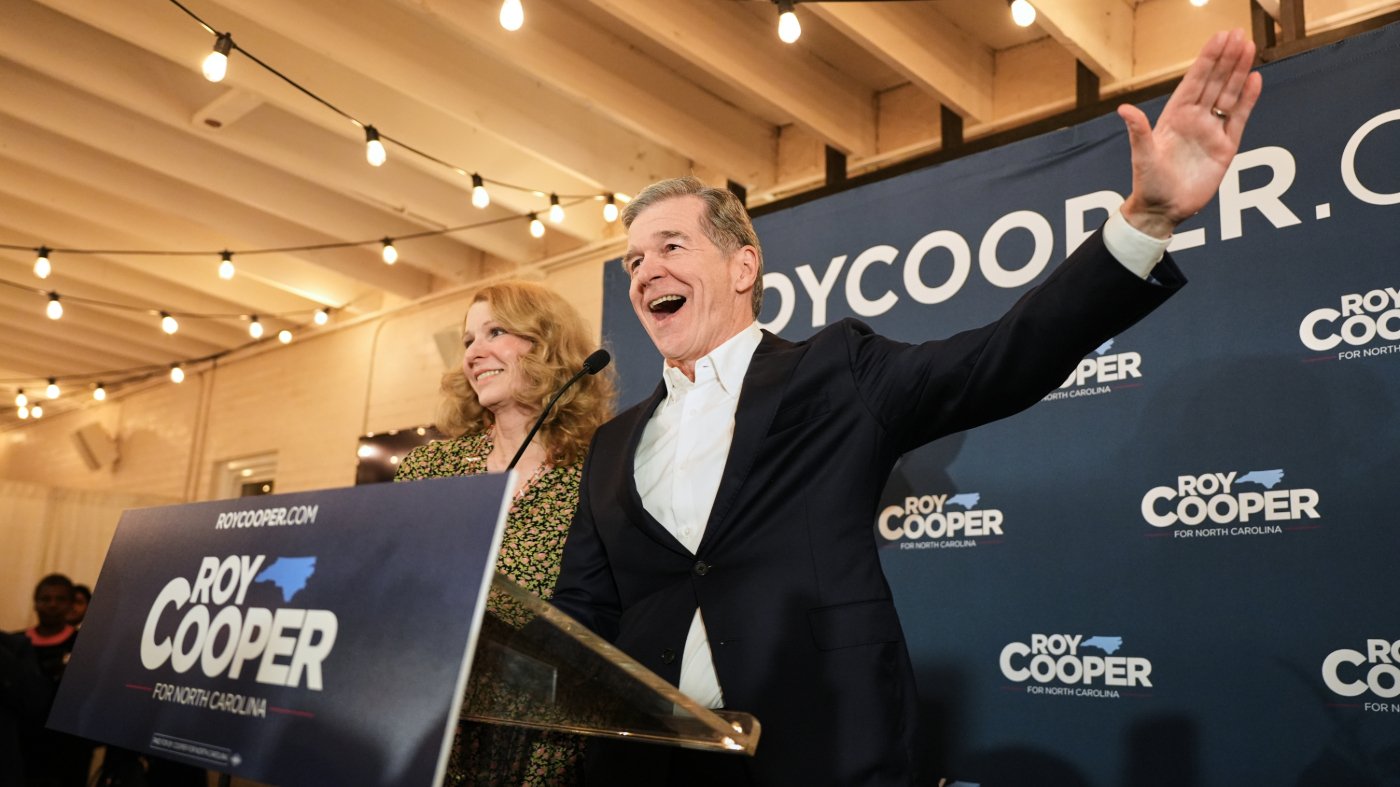
Democrats need a net gain of four seats, a tall order given that several targets are in states Trump won. They must also defend competitive seats in Michigan and Georgia. But the map is tilting their way. In North Carolina, the most likely flip, former Governor Roy Cooper leads Republican Michael Whatley by 7 points in the RealClearPolitics average. Cooper’s strength with independents—a 16-point edge per Quantus Insights—gives Democrats a foothold in a state Trump carried by 3 points in 2024.
Maine is the next target. Progressive Graham Platner, despite a history of controversial comments and a Nazi tattoo scandal, leads incumbent Republican Susan Collins by 7 points, per RealClearPolitics. Platner’s anti-establishment populism poses a real challenge to Collins, who has survived previous blue waves in a heavily Democratic state.
Beyond those two, the path gets steeper. In Ohio, which Trump won by 11 points, incumbent Republican Jon Husted holds only a 3-point lead over former Senator Sherrod Brown, with Cook Political Report calling it a toss-up. Texas and Alaska, longtime GOP strongholds, are also competitive. No Democrat has won statewide in Texas since 1994, but state Representative James Talarico is running slightly ahead of both Senator John Cornyn and Attorney General Ken Paxton—locked in a bitter primary runoff—in recent polls. In Alaska, Mary Peltola leads incumbent Dan Sullivan by 6 points, according to the New York Times.
The fact that any of these states are in play underscores voter frustration with Republicans. As Cohn noted, Democrats in North Carolina, Ohio, and Alaska are popular former statewide officeholders. Yet the party’s own favorability sits at just 39 percent per Pew Research, and they still lack a unifying message beyond opposition to Trump.
Republicans, meanwhile, are eyeing flips of their own. In Georgia, incumbent Democrat Jon Ossoff leads likely GOP challenger Mike Collins by 7 points per Echelon Insights, but the race could shift once the Republican field is set. Michigan is a more serious threat: Progressive Abdul El-Sayed leads the Democratic primary by 10 points, but general election polls show him trailing Republican Mike Rogers in six of the last seven surveys. Other Democrats like Haley Stevens and Mallory McMorrow are competitive with Rogers, but El-Sayed’s nomination could hand the GOP a pickup.
Democrats’ path to a Senate majority is narrow but real. With Trump’s approval in the basement and strong candidates emerging, the party has a genuine opening—a remarkable turnaround from the 2024 defeat. Whether they can sustain that momentum remains to be seen, but for now, the upper chamber is firmly in play.