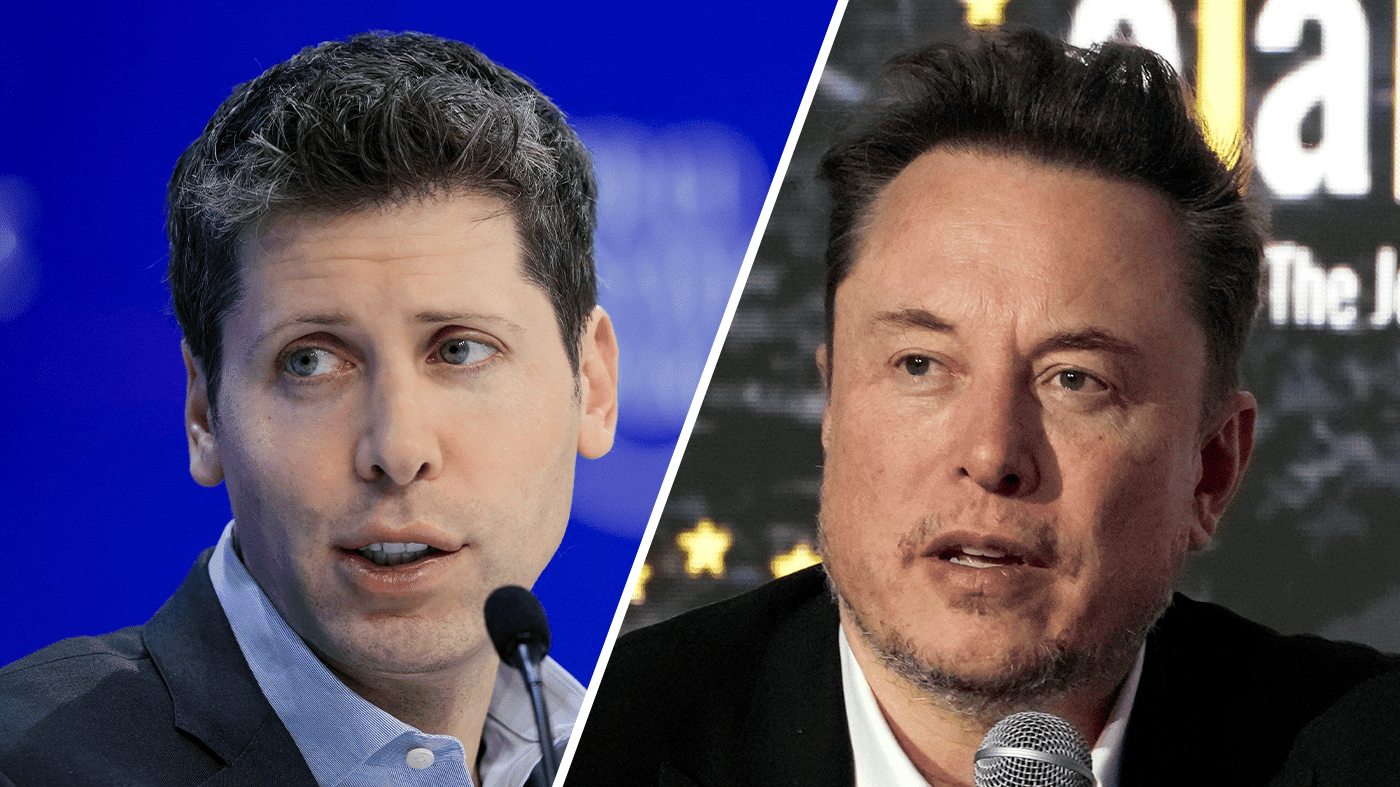
A California federal jury delivered a swift and decisive blow to Elon Musk on Monday, unanimously rejecting his claims against OpenAI and its co-founder Sam Altman. The nine-person panel deliberated less than two hours before finding that Musk had waited too long to file his lawsuit, missing the three-year statute of limitations.
Judge Yvonne Gonzalez Rogers, who oversaw the case in Oakland, accepted the advisory verdict and dismissed all of Musk's allegations. The decision caps a three-week trial that featured testimony from Musk, Altman, OpenAI co-founder Greg Brockman, and Microsoft CEO Satya Nadella.
Musk, who co-founded OpenAI as a nonprofit in 2015 alongside Altman, Brockman, and computer scientist Ilya Sutskever, had argued that the company abandoned its original mission of developing artificial intelligence for the benefit of humanity. He claimed he was misled when OpenAI transitioned to a for-profit structure to attract capital, prioritizing commercial interests over its founding principles.
The Tesla and SpaceX CEO did not file his lawsuit until 2024, alleging that Altman and Brockman manipulated him into bankrolling the venture before pivoting away from its nonprofit roots. The jury concluded that delay was fatal to his case.
In a post on X Monday, Musk announced his intention to appeal to the Ninth Circuit Court, writing that the case is important because “creating a precedent to loot charities is incredibly destructive to charitable giving in America.”
OpenAI’s lead counsel, William Savitt, told reporters outside the courthouse he was “delighted” by the verdict, according to the New York Times. The company did not immediately respond to a request for comment.
The outcome is a significant setback for Musk, who escalated his feud with Altman in 2024 by suing over OpenAI’s alleged shift away from its founding mission. It also clears a major legal hurdle for OpenAI as it prepares for an initial public offering expected in late 2026. Analysts had predicted that a ruling in Musk’s favor could delay what is anticipated to be one of the largest public offerings in history.
The case has drawn intense scrutiny from Silicon Valley and Washington, as policymakers grapple with the rapid advancement of AI and its implications. Meanwhile, other legal battles continue to unfold, including a federal judge halting a Georgia panel's misconduct claims against Supreme Court candidates, and the NYT escalating its legal battle against the Pentagon over a new escort policy for reporters.
Musk’s appeal will now test whether the Ninth Circuit agrees that the statute of limitations should not bar claims involving alleged charitable misconduct. For now, OpenAI can proceed with its IPO plans without the cloud of Musk’s lawsuit.