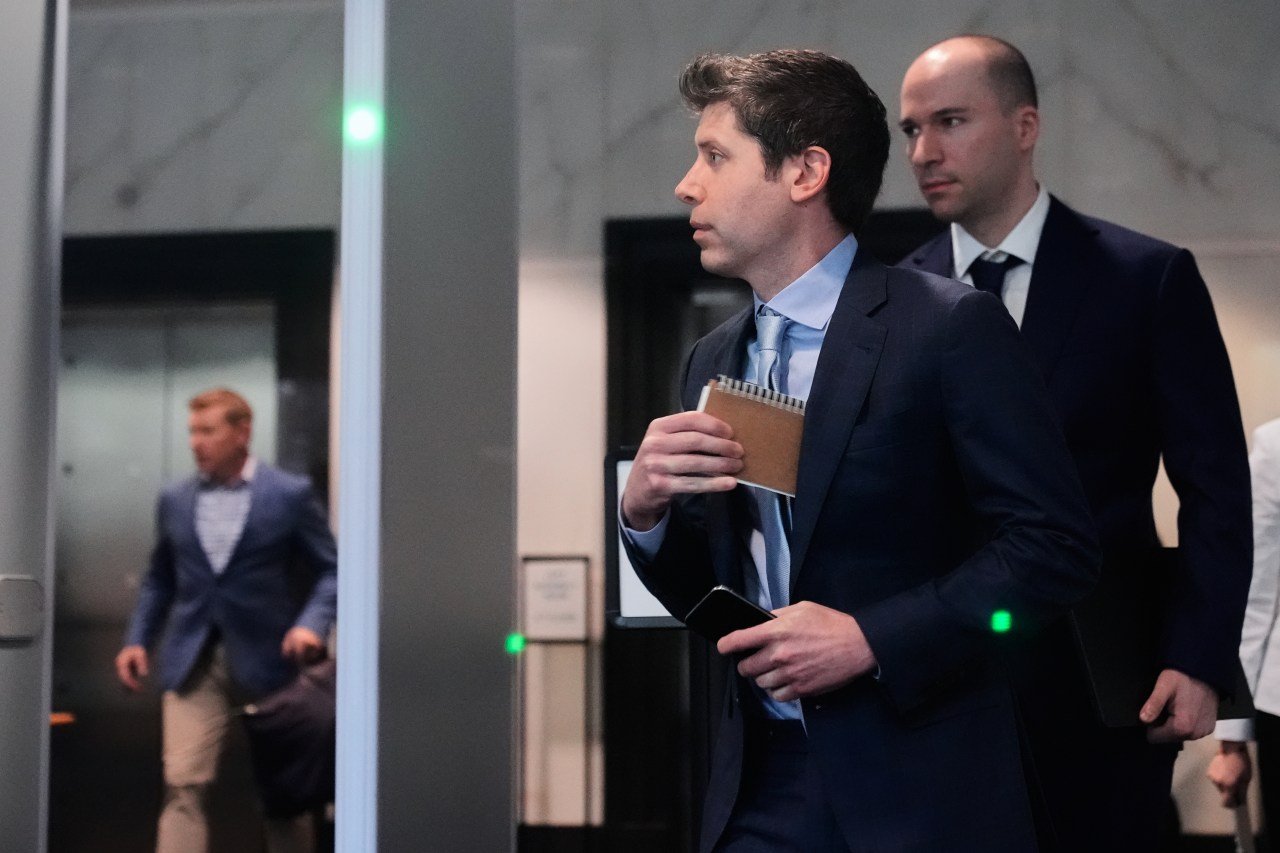
OAKLAND, Calif. — The landmark legal battle between Elon Musk and OpenAI entered its final phase Thursday as attorneys delivered closing arguments in a case that could redefine how artificial intelligence companies are held accountable for their founding promises. The trial, which has drawn intense scrutiny from tech executives and policymakers alike, hinges on whether Musk filed his lawsuit within the legal time limit and whether OpenAI violated a charitable trust agreement.
Musk, who co-founded OpenAI in 2015 and invested $38 million in its early years, alleges that CEO Sam Altman and his top deputy abandoned the nonprofit's original mission to develop AI for the public benefit. Instead, Musk claims, they pivoted to a for-profit model without his knowledge, enriching themselves at his expense. The jury must first decide if Musk's 2024 lawsuit was filed too late, as OpenAI argues that any alleged harms occurred before August 2021 and fall outside the statute of limitations.
U.S. District Judge Yvonne Gonzalez Rogers wrote in a pretrial filing that if the jury finds Musk missed the deadline, she will likely accept that verdict and rule for the defendants. That procedural question has dominated much of the testimony, which focused heavily on OpenAI's early years and internal communications. The case is one of several high-profile lawsuits testing OpenAI's liability for its technology.
Key Legal Questions
If the jury determines the lawsuit was timely, they must then decide whether OpenAI operated under a binding charitable trust and, if so, whether Altman, co-founder Greg Brockman, and the company breached that trust. Musk's second claim requires jurors to assess whether Altman and Brockman unjustly enriched themselves through the shift to a for-profit structure.
Microsoft, a co-defendant in the trial, faces a separate question: whether it aided and abetted that alleged breach. The tech giant's involvement has added a layer of complexity, as Microsoft has invested billions in OpenAI and integrated its models into products like Azure and Office. This case echoes broader debates about corporate responsibility in the AI sector.
Musk's Absence
Musk's attorney, Steven Molo, told the jury Thursday morning that his client was “sorry he could not be here.” The world's richest man is traveling in China with President Donald Trump and other prominent tech executives, a trip that has drawn its own political scrutiny. Molo did not elaborate on the timing, but the absence underscores Musk's conflicting priorities as he juggles leadership of Tesla, SpaceX, xAI, and his role as a senior advisor to the Trump administration.
The trial's outcome could have far-reaching implications for the AI industry. A ruling against OpenAI might force the company to restructure its relationship with Microsoft or revisit its governance model. Conversely, a victory for OpenAI could embolden other AI firms to shift from nonprofit to for-profit structures without fear of legal reprisal. Legal experts have compared this case to landmark decisions that reshaped corporate law.
Observers note that the jury's verdict will likely influence how future AI startups are founded and funded. If the charitable trust claim succeeds, it could set a precedent that early-stage AI companies must adhere strictly to their original public-benefit missions. If it fails, it may signal that such promises are not legally enforceable.
The trial is expected to conclude this week, with the jury deliberating on both the statute of limitations and the substantive claims. Whatever the outcome, the case has already intensified debate over the governance of artificial intelligence and the accountability of its most powerful players.