Congress is in a sprint this week to lock down a funding package for Immigration and Customs Enforcement and Border Patrol ahead of a scheduled recess at the end of the week. Republicans are steering the bill through the reconciliation process, a partisan tool that lets them sidestep the Senate filibuster and pass it with a simple majority.
But the path got rockier after Senate Parliamentarian Elizabeth MacDonough ruled last week that several elements of the bill violated the Byrd Rule, which bars provisions that make major policy changes with only incidental budget effects from passing by simple majority. Among the provisions struck down: funding for initial screenings of unaccompanied migrant children and measures that fell outside the Senate Homeland Security Committee’s jurisdiction.
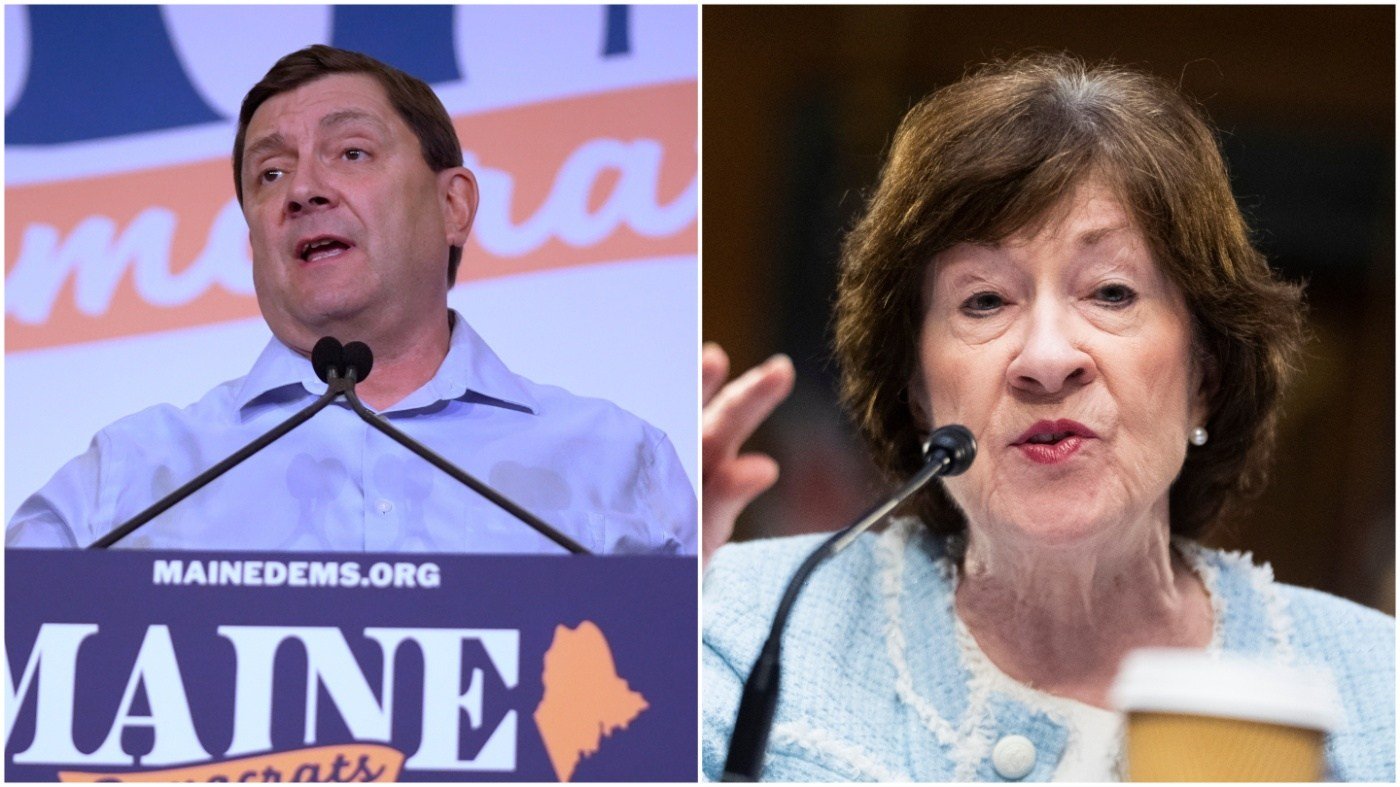
Democrats cheered the rulings as a win. Senate Democratic Leader Chuck Schumer said the decision “dealt a significant setback” to Republicans, adding, “Senate Republicans’ reconciliation bill tells you exactly who they’re fighting for: Trump’s raids, Trump’s violent ICE agents and Trump’s gilded ballroom — not working families.” He claimed the party had “forced Republicans back on their heels.”
Ryan Wrasse, a spokesperson for Senate Majority Leader John Thune, downplayed the damage, calling the rulings “technical fixes that were not unexpected.” He posted on X that the party looks forward to “continued productive work” to fund the agencies fully.
A flashpoint in the package is a $1 billion allocation for security upgrades, including a new White House ballroom and other Secret Service priorities. Several House and Senate Republicans have balked at the provision, arguing it sends the wrong message amid high grocery prices and inflation. The parliamentarian also ruled that this provision must be reworked to stay in the reconciliation bill.
House leaders canceled votes Monday and Tuesday to clear the deck for the package’s expected arrival on Friday. But even if it clears the Senate, the bill faces a tight margin in the House, where Speaker Mike Johnson can lose only two Republican votes if all Democrats oppose it. Hard-line conservatives like Rep. Chip Roy, policy chair of the House Freedom Caucus, are demanding full unrestricted funding for the agencies, deficit neutrality, and funding for the Justice Department to compensate victims of what he called the Biden administration’s “weaponization.”
Moderate Republicans are also uneasy. Rep. Brian Fitzpatrick, who voted against Trump’s earlier “One Big Beautiful Bill Act,” said he answers to constituents, not party leaders. “That’s who my bosses are,” he said.
Beyond immigration, the House this week will take up an amended version of a Senate housing bill, the 21st Century ROAD to Housing Act, despite calls from Trump and Thune to pass it unchanged. The legislation aims to boost housing affordability through incentives for new construction, conversion of abandoned buildings, and grants for modernizing existing homes. The amended version strips a controversial provision requiring large institutional investors in build-to-rent single-family homes to sell them.
Speaker Johnson also faces a looming deadline on renewing Section 702 of the Foreign Intelligence Surveillance Act, with no deal yet with hard-line conservatives. Senate Republicans, meanwhile, are working to rally Democratic support for a landmark crypto bill, the Clarity Act, while Democrats in both chambers push resolutions to limit Trump’s military action in Iran.