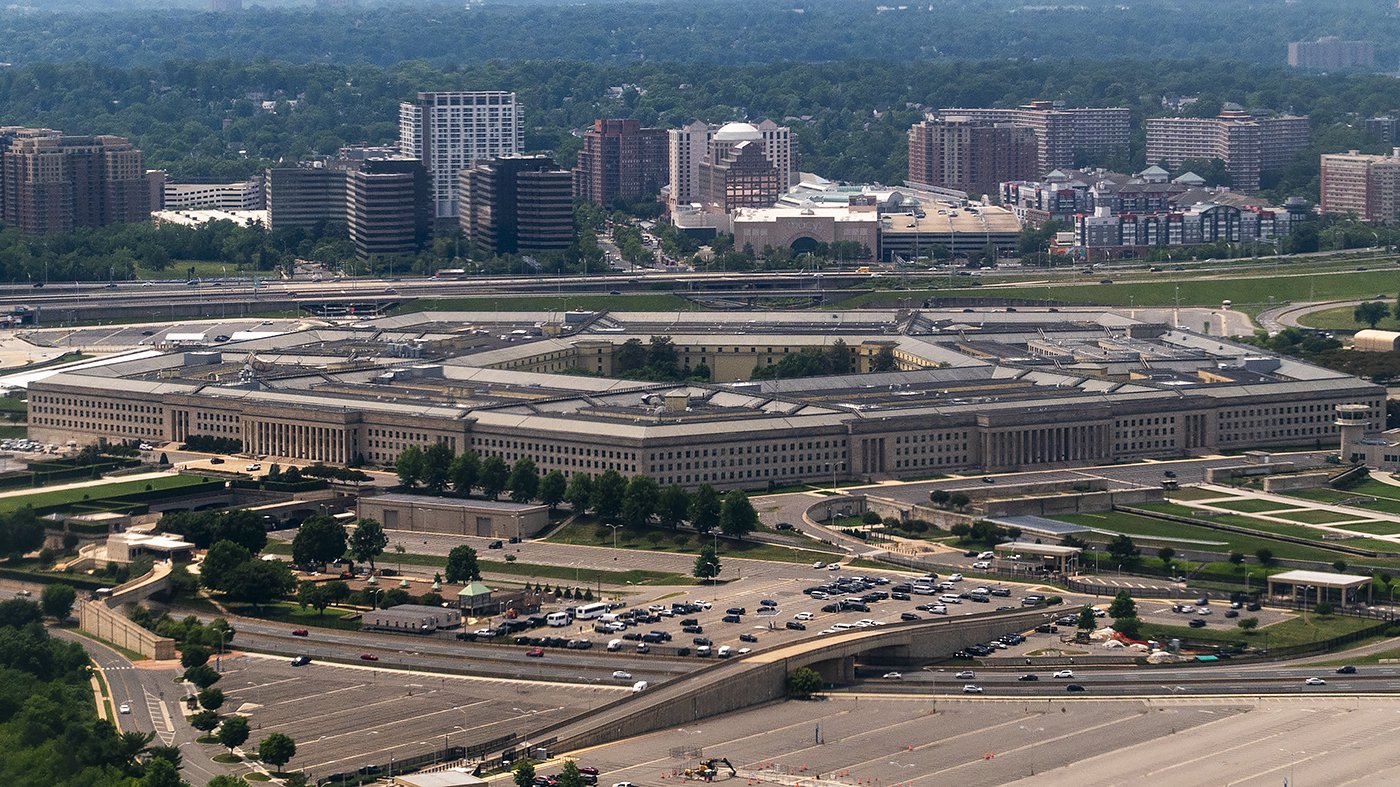
The New York Times launched a fresh legal challenge against the Pentagon on Monday, seeking to block a new requirement that journalists be accompanied by escorts while on the defense department’s premises. The newspaper contends the rule is unconstitutional and mirrors previous Pentagon restrictions that a federal judge already struck down.
Earlier this year, the Times successfully convinced a court to block strict credentialing rules that limited how defense reporters could gather information. In response, the Pentagon rolled out a revised set of restrictions, including the escort mandate. The latest lawsuit aims to overturn this policy and restore the pre-Trump-era norms that allowed reporters greater freedom of movement and unplanned interactions with personnel.
“Stories based on routine unplanned interactions between journalists and Pentagon personnel on Pentagon grounds, stories built on dozens of conversations with Pentagon press officers from various parts of the Department and across the building, stories that capture the mood and atmosphere within the Pentagon during times of consequential military operations—all are examples of what Plaintiffs can no longer report,” the complaint states.
The Hill has reached out to the Pentagon for comment on the lawsuit. Pentagon officials have defended the changes as necessary to prevent leaks of classified material and protect national security, but media advocacy groups and outlets have condemned the measures as an attack on press freedom.
The Times alleged that the escort requirement will make newsworthy information “simply unavailable to The Times and to the public that relies on The Times for fact-based, independent journalism.” The suit claims the policy is an effort to suppress speech and amounts to unconstitutional retaliation against the newspaper in violation of the First Amendment. It also argues the policy violates due process protections and is arbitrary and capricious.
Late last month, the U.S. Court of Appeals for the D.C. Circuit allowed the escort requirement to take effect, ruling it was not covered by an earlier court injunction the newspaper had secured. The Times now brings this second lawsuit to challenge the interim policy on its own terms, according to the filing.
The legal battle underscores broader tensions between the media and the Pentagon, which has faced criticism for its handling of press access. In a related development, GOP lawmakers have blasted the Pentagon for abruptly canceling a 4,000-troop deployment to Poland, highlighting ongoing friction over defense policy decisions. Meanwhile, Pentagon Chief Breaks Norms to Campaign for Trump-Backed Challenger in Kentucky Primary, further blurring lines between military and political roles.
The Times’ lawsuit is the latest salvo in a series of legal fights over press freedoms under the current administration. The DOJ recently created a $1.8 billion 'anti-weaponization' fund amid ongoing debates about government accountability. The outcome of this case could set a precedent for how the Pentagon interacts with the press going forward.