The Justice Department unveiled a nearly $2 billion fund on Monday, branded as an "anti-weaponization" initiative, as part of a settlement resolving President Trump's $10 billion lawsuit against the Internal Revenue Service. The fund, totaling $1.776 billion, will provide payouts and formal apologies to individuals who claim they were targeted by the government.
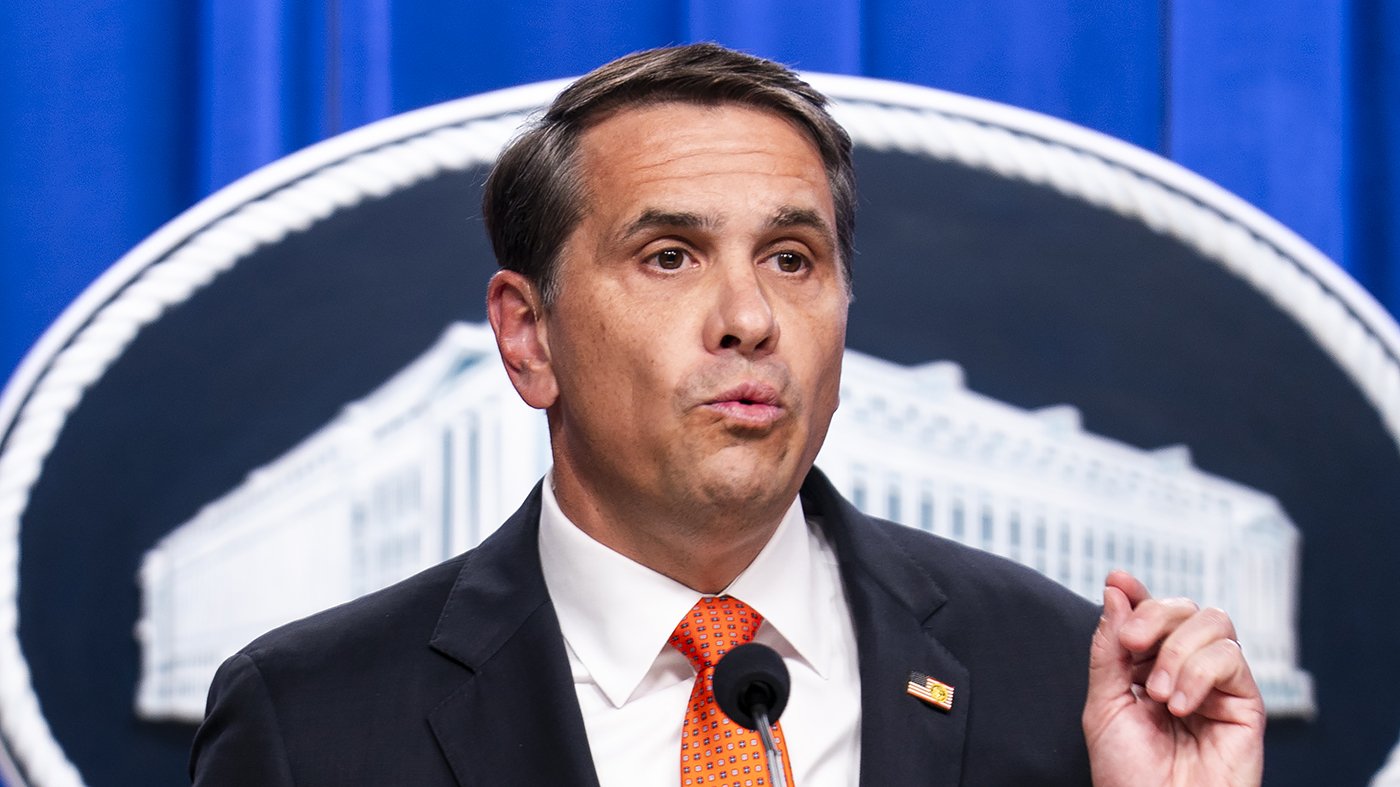
Acting Attorney General Todd Blanche framed the move as a corrective measure, stating, "The machinery of government should never be weaponized against any American, and it is this Department's intention to make right the wrongs that were previously done while ensuring this never happens again." Blanche added that the fund establishes "a lawful process for victims of lawfare and weaponization to be heard and seek redress."
The settlement stems from a lawsuit Trump filed over the leak of his tax returns, but the case also sought damages related to his two criminal prosecutions—the January 6 investigation and the Mar-a-Lago documents case. The DOJ's move to voluntarily dismiss the case sidestepped U.S. District Judge Kathleen Williams, an Obama appointee, who had earlier questioned whether the case met constitutional requirements for a genuine dispute.
Trump will not personally receive money from the fund, but the settlement is highly unusual because it involves a president suing the government he now leads. The DOJ has not specified who may be eligible for payouts, though several convicted January 6 rioters have pending suits that could qualify.
The fund has drawn sharp criticism from legal watchdogs. Stacey Young, executive director of Justice Connection, a DOJ alumni group, said in a statement, "This case is a clear example of why Justice Department lawyers take an oath to serve the Constitution, not the White House. This department's leadership is intent on abusing its power to curry favor with the President and execute his retribution campaign." She added, "The 'Anti-Weaponization Fund' fits a pattern of corruption that is eroding DOJ's integrity and Americans' faith in the rule of law."
The development comes amid broader debates over executive power and the politicization of federal agencies. Critics argue the fund could be used to reward Trump allies, echoing concerns raised in other contexts, such as Trump's push for a new White House helipad, which some saw as another example of bending government resources to personal priorities.
The settlement also highlights the ongoing friction between the Trump administration and the judiciary. Judge Williams had expressed doubts about whether the case represented a "case or controversy" as required by the Constitution, given that Trump was effectively suing his own administration. The DOJ's dismissal allowed them to bypass those concerns entirely.
Meanwhile, the fund's creation has fueled discussions about fractures within the GOP over Trump's legal strategies and their political implications. Some Republicans have questioned the wisdom of using taxpayer money for such settlements, while others defend it as necessary to address past government overreach.
As the DOJ moves forward, the fund is expected to face legal challenges and congressional scrutiny. The agency has not yet outlined detailed criteria for payouts, leaving open questions about how claims will be evaluated and who will ultimately benefit. The story was updated at 1:57 p.m.