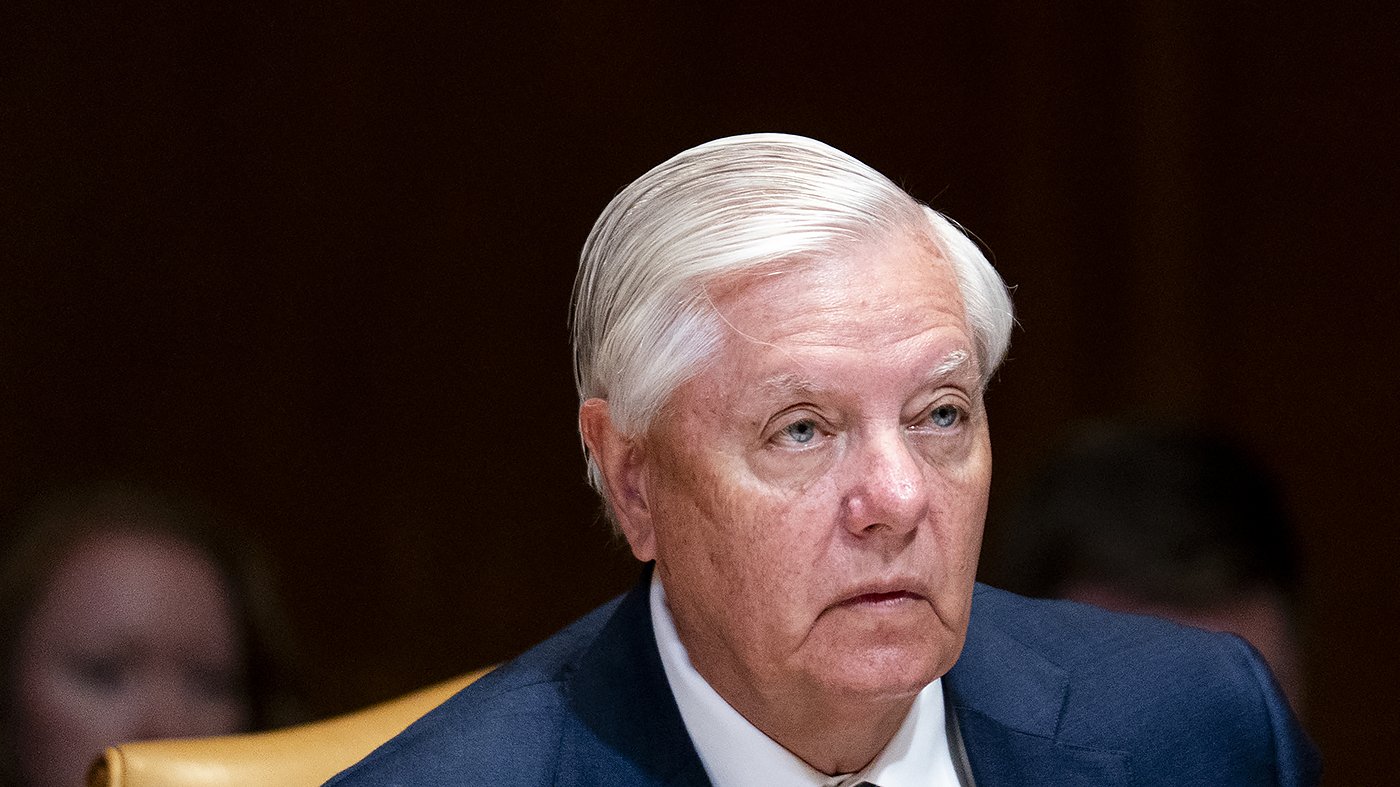
Sen. Lindsey Graham (R-S.C.) is pushing President Trump to authorize a targeted military operation against Iran, arguing that a limited but decisive use of force could break the deadlock in stalled nuclear negotiations. In a post on X Monday morning, Graham expressed confidence that Trump recognizes the need to act, writing that the president “will not continue to tolerate a refusal to negotiate in good faith along with Iran’s defiant aggression in the Strait of Hormuz and throughout the region.”
“It is abundantly clear to me that Iran has been very weakened militarily and economically,” Graham added. “But at the same time, they have become more emboldened and aggressive. A short but forceful response now would reset the conflict in all the right ways.”
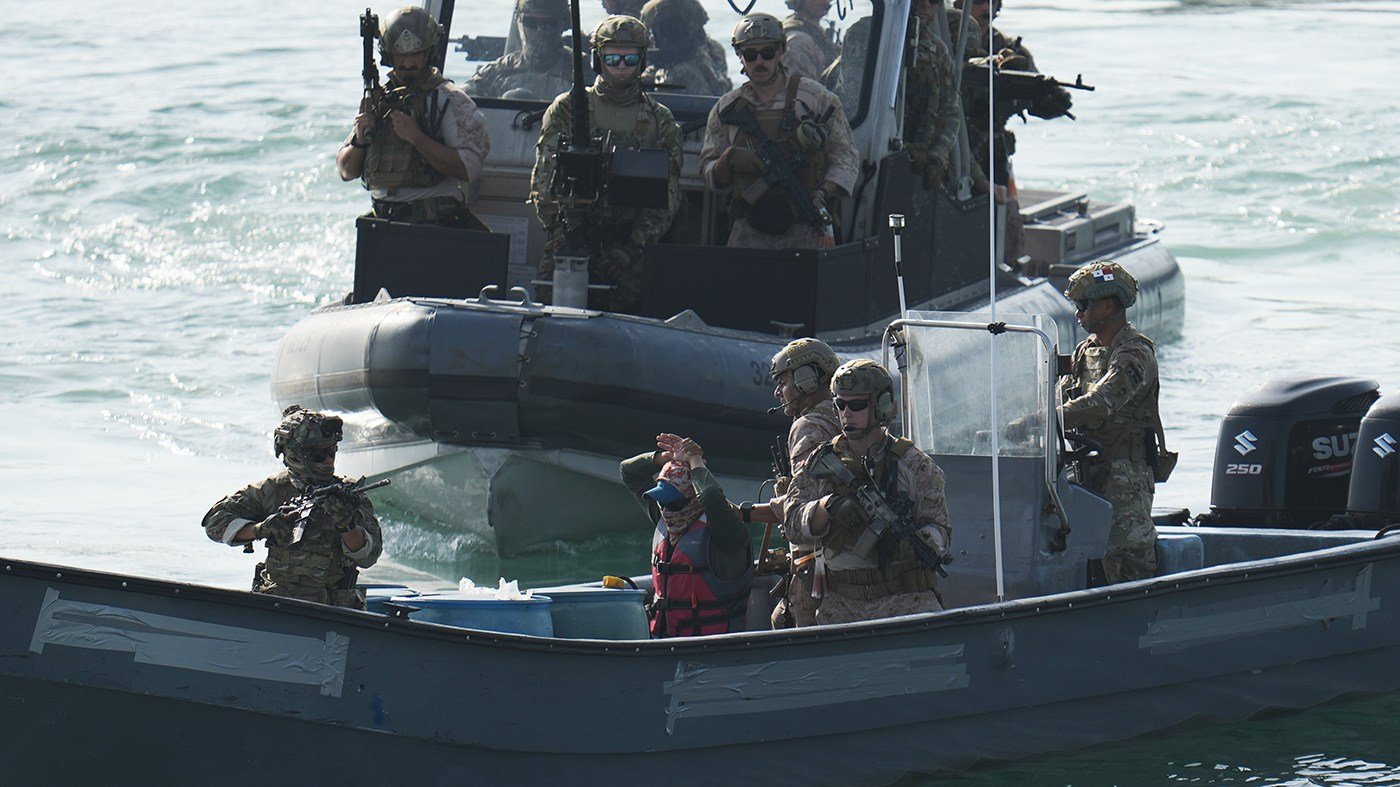
The senator’s call comes as Trump escalates his own rhetoric against Tehran. On Sunday, the president warned on Truth Social that “the Clock is Ticking” for Iran and that the regime must “get moving, FAST, or there won’t be anything left of them. TIME IS OF THE ESSENCE.” The warning followed Trump’s rejection of an Iranian counterproposal to separate nuclear talks from broader peace discussions, which he labeled “totally unacceptable.”
According to a recent New York Times/Siena poll, a majority of Americans believe Trump made the wrong decision to initiate the conflict with Iran, adding political pressure as the administration weighs its next steps. Meanwhile, the economic toll is mounting: the closure of the Strait of Hormuz—a critical chokepoint for global oil shipments—has sent gasoline prices soaring. AAA data shows the national average for a gallon of regular gas hit $4.52 on Monday, up sharply from $3.18 a year ago.
West Coast drivers are bearing the brunt of the spike. In California, the average price per gallon reached $6.15, while Washington and Oregon saw averages of $5.78 and $5.34, respectively. The energy crisis has amplified scrutiny of the administration’s Iran strategy, with some critics arguing that military escalation could further destabilize the region and worsen supply disruptions.
Graham’s stance aligns with his long-standing hawkish position on Iran, but it also reflects a growing impatience within the GOP for a resolution. As Graham has previously framed the confrontation as a “Churchill moment,” he now sees an opportunity to reset the conflict before it spirals further. However, the administration’s internal debate remains opaque, with Trump’s own comments oscillating between threats of annihilation and hints of openness to diplomacy.
The standoff has also exposed fractures within the Republican Party over foreign policy. Some conservatives worry that a military strike could drag the U.S. into a prolonged engagement, while others, like Graham, argue that inaction risks emboldening Iran and its proxies. The White House has not publicly responded to Graham’s latest appeal, but Trump’s Sunday post suggests he is leaning toward a harder line.
As the clock ticks, the price at the pump remains a potent political vulnerability for the president. With midterm elections looming, the intersection of foreign policy and household economics is likely to dominate the debate. For now, all eyes are on whether Trump will heed Graham’s advice—or seek another off-ramp before the situation deteriorates further.