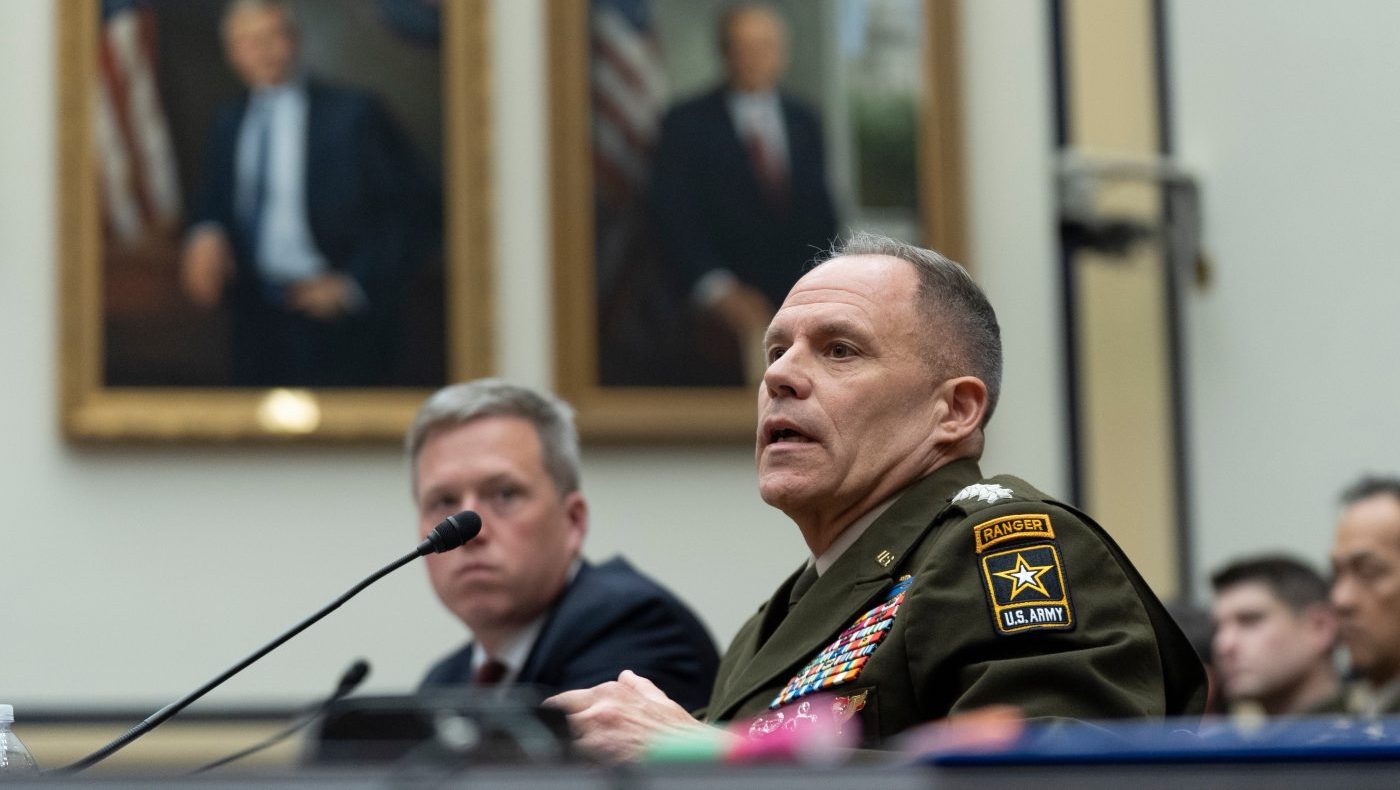
Republican lawmakers on Friday subjected Army leaders to a blistering interrogation over the Pentagon’s abrupt cancellation of a planned deployment of 4,000 troops to Poland, with House Armed Services Committee Chairman Mike Rogers (R-Ala.) making clear the panel’s displeasure.
“We don’t know what’s going on here, but I just tell you we’re not happy with what’s being talked about, particularly since there’s been no statutory consultation with us,” Rogers told Army Secretary Dan Driscoll and acting Army Chief of Staff Gen. Christopher LaNeve during a hearing.
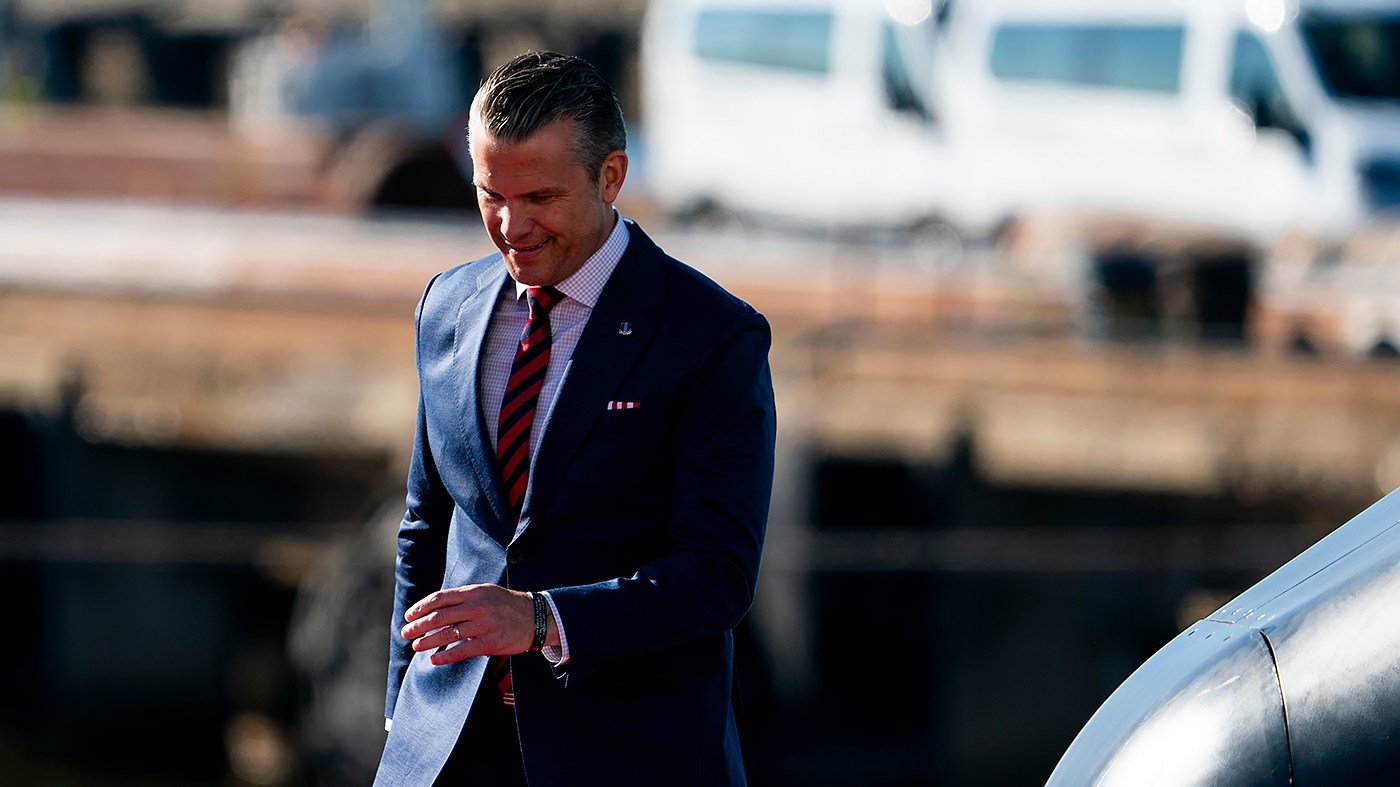
Defense Secretary Pete Hegseth ordered the cancellation of the 2nd Armored Brigade Combat Team’s rotation earlier this week, a move that stunned lawmakers and Polish officials alike. The decision came amid escalating tensions between President Trump and European allies over the Iran conflict, further straining transatlantic relations.
Under questioning from Rep. Austin Scott (R-Ga.), Driscoll acknowledged the rotation had been scrapped “just a couple days ago,” while LaNeve said the decision was made within the “last two weeks.” Neither official could provide a clear rationale for the reversal, leaving lawmakers frustrated.
“These are major decisions that appear to many of the members of this committee to be last-minute decisions,” Scott said.
Rep. Don Bacon (R-Neb.) revealed that Polish officials were caught off guard, telling the Army leaders, “They called me yesterday, they did not know, they were blindsided. These are some of our best allies, and they had no idea. They still don’t know what the plan is.”
The cancellation follows Trump’s earlier order to withdraw 5,000 troops from Germany, a move that drew bipartisan criticism from Rogers and Senate Armed Services Committee Chairman Roger Wicker (R-Miss.). Both argued that reducing the U.S. military footprint in Europe “sends the wrong signal” to Russian President Vladimir Putin.
It also comes roughly seven months after the U.S. informed allies of plans to pull some troops from NATO’s eastern flank, including Romania—a decision that similarly angered Rogers and Wicker over lack of congressional consultation.
Pressed on the Poland decision, LaNeve said the head of U.S. European Command “received the instructions on the force reduction” and worked “in close consultation on what that force unit would be.” He added that it “made the most sense for that brigade to not do its deployment in theater,” though some elements of the unit had already arrived in Europe with equipment in transit.
Bacon, acknowledging the decision did not originate with Army leaders, called it “reprehensible” and “an embarrassment to our country … what we just did to Poland.” He added, “We’re sending a terrible message to Russia and to our allies.”
Democrats joined the criticism, with ranking member Rep. Adam Smith (D-Wash.) demanding a strategic explanation. “We had a brigade combat team ready to go to Poland, decided not to, and the only answer I’ve got is, well, that’s what they told us to do. OK, why? I mean, what is the strategy behind this?” Smith said.
Rep. Marilyn Strickland (D-Wash.) warned, “When we take that many troops away, it says that we are not a reliable ally.”
The episode underscores growing unease on Capitol Hill about the Trump administration’s unilateral military decisions and their impact on NATO solidarity. For more on the broader budget and strategic tensions, see Army Chief Driscoll to Face House Grilling on $1.5T Pentagon Budget Amid Iran Tensions. Additionally, the administration's approach to international commitments is drawing scrutiny, as seen in D.C. Circuit Judges Grill Trump Admin Over Law Firm Executive Orders.