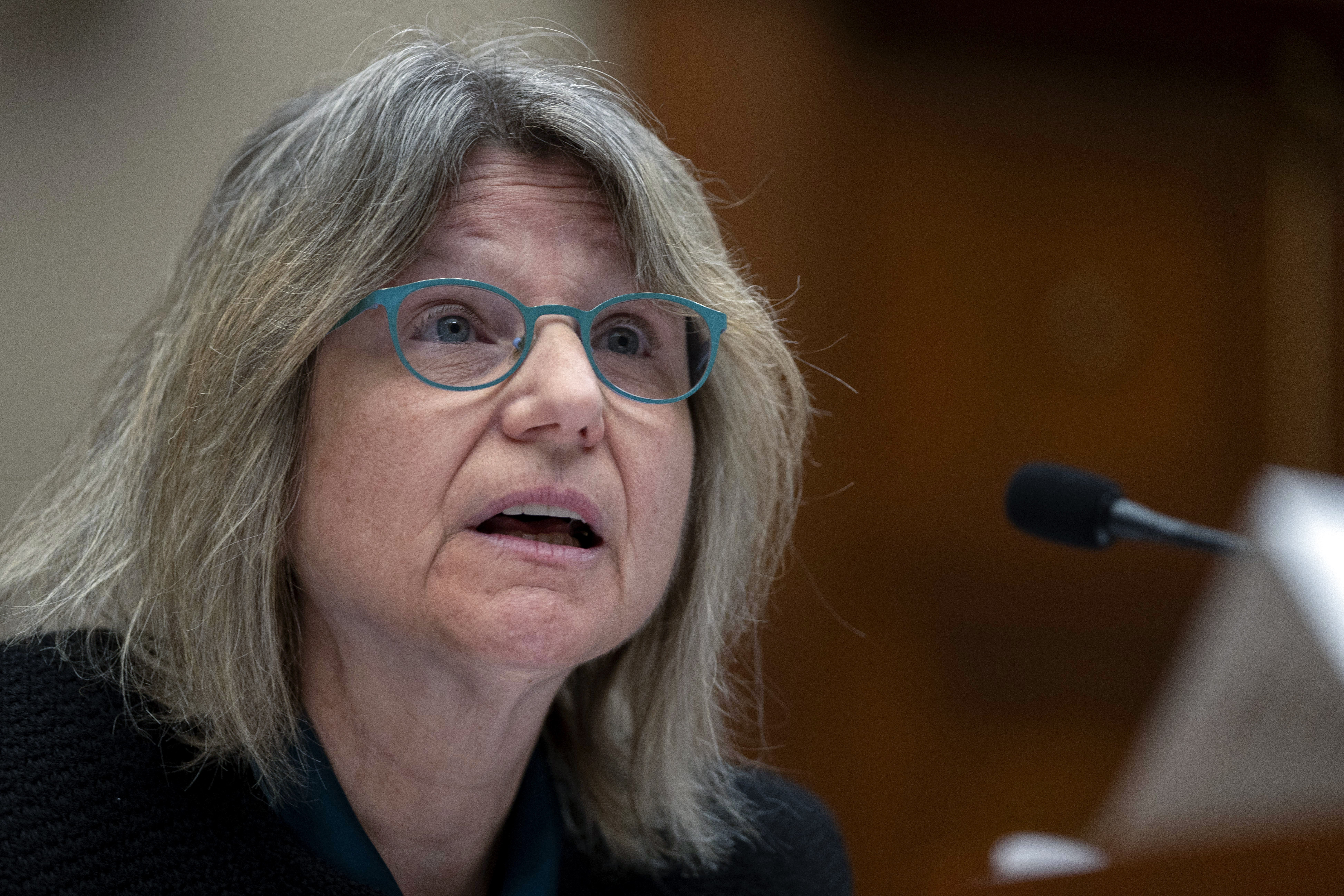
MIT President Sally Kornbluth delivered a stark assessment Wednesday, revealing that the university's campus-sponsored research activity has contracted by 10 percent over the past year, a direct consequence of the Trump administration's funding cuts and policy changes.
“Counting federal and non-federal sources together, our campus-sponsored research activity is now 10 percent smaller than it was a year ago,” Kornbluth said in a video message to the MIT community. “That is a striking loss for one of the most influential and productive research communities in the world.”
MIT's Stand Against Trump's Compact
Last year, MIT became the first institution to publicly reject the Trump administration's “Compact for Academic Excellence in Higher Education,” a 10-point memorandum presented to nine elite universities. The compact proposed sweeping changes, including capping foreign student enrollment at 15 percent, freezing tuition rates for five years, and requiring disclosure of graduates' earnings by major. The administration also sought to expand opportunities for service members on campus.
MIT's refusal triggered an attempt by the administration to slash its federal funding, though most of those efforts were blocked in court. However, the administration's new tax on university endowments is now taking a heavy toll. The tax rate on net investment gains was raised from 1.4 percent to 8 percent, a move that Bloomberg reports will cost MIT millions annually. The university reported a $27.4 billion endowment last year.
Broader Impact on Talent and Research
Beyond financial strain, Kornbluth highlighted a 20 percent decline in graduate-level enrollment, signaling a growing chill for international talent. “We’ve already seen clear signs that policy changes affecting international students and scholars are discouraging extremely talented individuals from applying to join our community,” she said. This trend echoes concerns raised by other universities amid the administration's aggressive immigration policies, which have also been a flashpoint in broader geopolitical tensions, such as those seen in Xi's leveraging of the Taiwan threat in summit talks with Trump.
Kornbluth said MIT is actively engaging with lawmakers to reverse the trend and restore normalcy to campus-led research. “The fact is that we’re looking at a real drop in research being done by the people of MIT. It’s a loss of momentum for faculty and students and frankly, it’s a loss for the nation,” she warned. “When you shrink the pipeline of basic discovery research, you choke off the flow of future solutions, innovations, and cures, and you shrink the supply of future scientists.”
Legal and Political Battles
The administration's broader assault on academic institutions has faced judicial pushback. For instance, the D.C. Circuit recently grilled Trump administration lawyers over executive orders targeting law firms, reflecting a pattern of legal challenges to White House overreach. Meanwhile, MIT's endowment tax hike remains in effect, adding to the financial pressures that Kornbluth described as “chilly and overcast.”
Despite the bleak outlook, Kornbluth struck a resilient tone. “I know that hearing these facts all together feels pretty chilly and overcast, but I also know that over its long history, MIT has confronted and pushed through many serious storms before. And I take heart in what I see here on campus every day.” She emphasized that the campus spirit—rooted in intensity, enthusiasm, creativity, and drive—remains intact. “And the people of MIT are applying that same energy in many different ways to meet these new challenges to our mission.”
The university's struggle reflects a wider tension between the Trump administration and elite research institutions, with implications for U.S. scientific leadership and global competitiveness. As Kornbluth noted, the loss of research momentum is not just MIT's problem—it's a national one.