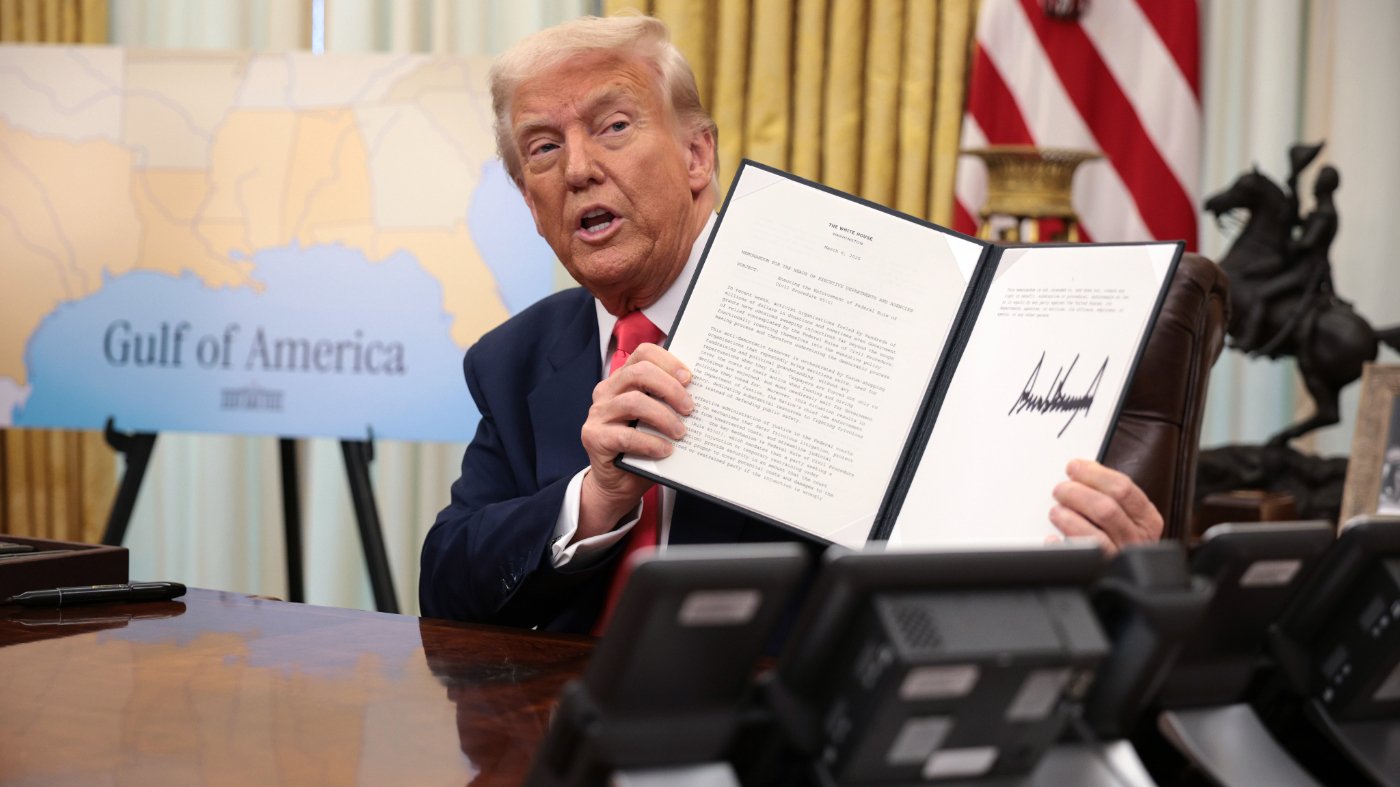
A three-judge panel of the U.S. Court of Appeals for the D.C. Circuit on Thursday subjected both the Justice Department and several top law firms to intense questioning over President Trump's executive orders that target firms for representing his political opponents. The panel is weighing whether Trump overstepped his authority by issuing directives that restrict government contracts, security clearances, and building access for firms including Perkins Coie, WilmerHale, Jenner & Block, and Susman Godfrey.
The law firms argue the orders are retaliation for their work for Trump's adversaries—Perkins Coie advised Hillary Clinton's 2016 campaign; WilmerHale employed former special counsel Robert Mueller; Jenner & Block once hired Trump critic Andrew Weissmann; and Susman Godfrey helped Dominion Voting Systems win a settlement against Fox News after the 2020 election. Paul Clement, representing all four firms, told the court the administration's aim was “maximizing punishment” and “hurt them everywhere we can.” He said the orders “lay the president's motives bare.”

DOJ lawyer Abhishek Kambli countered that the firms' commercial associations are not constitutionally protected, warning that ruling otherwise could produce “pretty extreme second and third order effects.” Chief Judge Sri Srinivasan and Judge Cornelia Pillard, both Obama appointees, pressed the government on how far such targeting could go. Pillard asked if the government could force a retailer like Staples to choose sides if both the government and law firms used it for supplies. Srinivasan noted that the disclosure requirements seemed “just the mechanism…to penalize the firms.”
Judge Neomi Rao, a Trump appointee, questioned Clement on whether the president could deny security clearances based on viewpoint—for example, to Hamas or Hezbollah supporters. Clement replied he hoped so, but Rao pressed: “If the president can make those kinds of viewpoint distinctions, why not others?” The exchange highlighted the central tension between executive authority and First Amendment protections.
The case took an unusual procedural turn when the Justice Department moved to drop its defense of the orders, then reversed course within 24 hours. The law firms opposed the “unexplained about-face,” but the government noted its initial dismissal had not been granted, so the appeal proceeded. The panel must now decide whether Trump's actions were lawful or an unconstitutional retaliation.
Trump's crackdown on law firms has had a chilling effect across the legal industry. At least nine firms, including Paul, Weiss and Skadden, have struck deals with the administration, agreeing to tens of millions of dollars in pro bono work to avoid executive orders—even some that were never formally targeted. Clement argued that if WilmerHale lawyers had lost clearances quietly, the ripple effect would not have occurred. Instead, Paul, Weiss pledged $40 million in free legal services, and Skadden committed at least $100 million.
Related coverage: Obama's push for an independent Justice Department faces steep challenges under Trump. The appeals court's ruling could reshape how the executive branch interacts with private law firms, and may set a precedent for future political retaliation claims.