For the third year running, the United States has recorded a drop in fatal drug overdoses, a trend that public health officials cautiously celebrate. However, not all states share in this progress—eight states actually saw their overdose death tolls rise, according to provisional data released Wednesday by the Centers for Disease Control and Prevention.
The CDC counted more than 68,600 reported overdose deaths through December 2025, a significant decrease from the 80,860 reported by the same point in 2024. The agency estimates the true number may exceed 69,900, as not all fatalities are immediately reported. The decline marks a continued reversal from the grim peaks seen during the pandemic era, when overdose deaths surged past 100,000 annually.

Which States Are Falling Behind?
While the national picture improves, eight states have defied the downward trajectory. These states—primarily concentrated in the West and Midwest—include Alaska, Montana, Wyoming, North Dakota, South Dakota, Nebraska, Iowa, and West Virginia. In these regions, factors such as limited access to treatment, the spread of potent synthetic opioids like fentanyl, and gaps in harm reduction programs are driving up fatalities.
West Virginia, long a hotspot for the opioid epidemic, remains a particular concern. The state has consistently ranked among the highest for overdose death rates, and the latest data suggests its crisis is far from abating. Meanwhile, rural states like Wyoming and the Dakotas face unique challenges, including sparse healthcare infrastructure and a growing presence of illicitly manufactured fentanyl.
Political and Policy Implications
The divergent trends have sparked debate among policymakers. The Biden administration has touted its investments in addiction treatment and naloxone distribution as key drivers of the national decline. But critics argue that the uneven progress highlights the need for more targeted federal action, especially in states that have resisted Medicaid expansion or syringe exchange programs.
In a related development, the CDC's latest figures have become a talking point on Capitol Hill, where lawmakers are jockeying over funding for the opioid response. Some Republicans have seized on the decline to argue for scaling back emergency measures, while Democrats warn that premature cuts could reverse the gains.
The data also lands amid a broader political climate marked by partisan battles over federal enforcement and threats of legal action against states that resist cooperating with federal agencies. These tensions could complicate efforts to coordinate a unified response to the overdose crisis.
What’s Driving the National Decline?
Public health experts attribute the national drop to a combination of factors: wider availability of naloxone, increased access to medication-assisted treatment, and a leveling off of fentanyl supply after years of rapid escalation. Still, the CDC warns that provisional data can shift, and the final numbers may show a smaller decline.
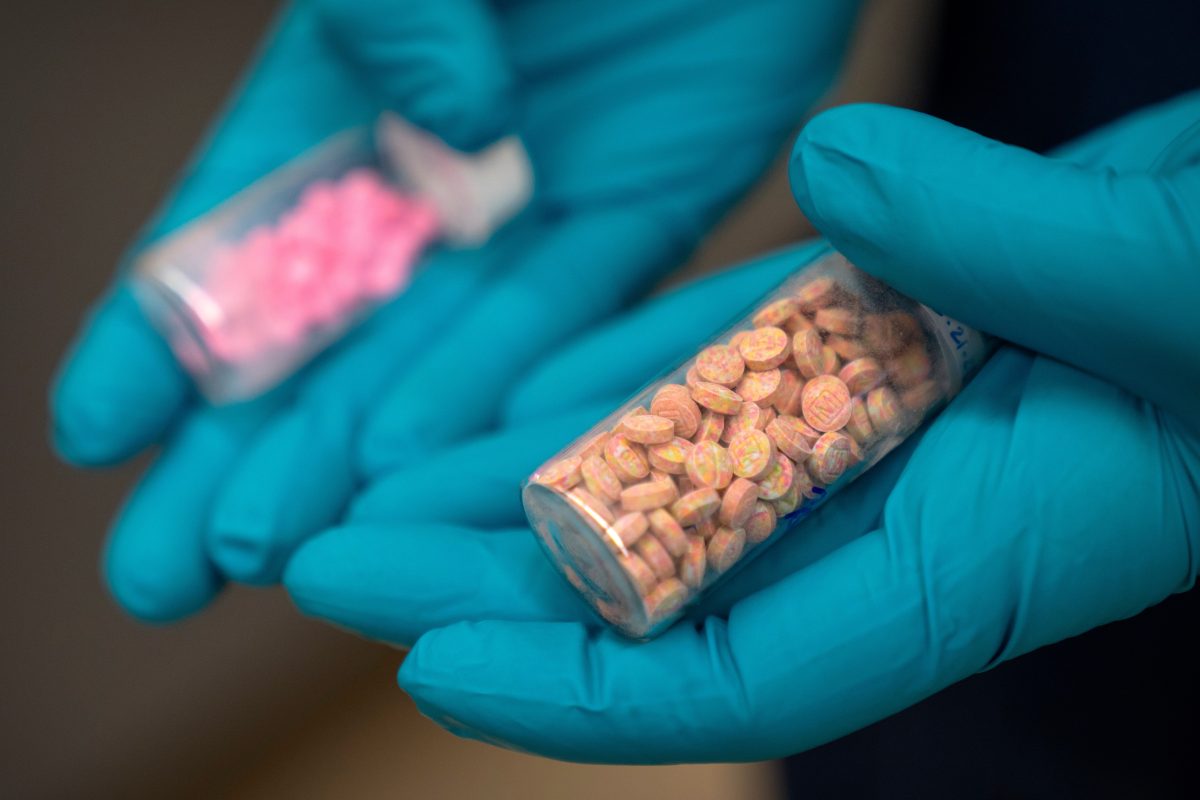
The opioid epidemic has evolved significantly since its peak, with fentanyl now involved in the majority of overdose deaths. The rise of polysubstance use—where users combine opioids with stimulants like methamphetamine—complicates treatment efforts. In the eight states where deaths are rising, these dynamics are playing out with particular severity.
Looking Ahead
As the nation enters a new phase of the overdose crisis, the spotlight turns to state-level policy. In states like West Virginia, where the death toll continues to climb, advocates are pushing for expanded harm reduction services and decriminalization of fentanyl test strips. Meanwhile, the CDC’s data will likely fuel renewed calls for a more tailored federal approach.
The eight states bucking the trend serve as a stark reminder that the epidemic is not monolithic. Without targeted interventions, the progress seen nationally may remain out of reach for the communities that need it most.