The U.S. Navy's latest 30-year shipbuilding plan, released this week, outlines construction of three nuclear-powered guided missile battleships over the next five fiscal years, with the first funded in fiscal 2028. Dubbed the Trump class, the plan envisions a total of 11 such vessels by fiscal 2056.
The Navy asserts these ships would provide "a significant increase in combat power" through longer endurance, higher speed, and advanced weapon systems. It claims a single battleship could "singlehandedly perform key missions" like holding open choke points on critical sea lines of communication.

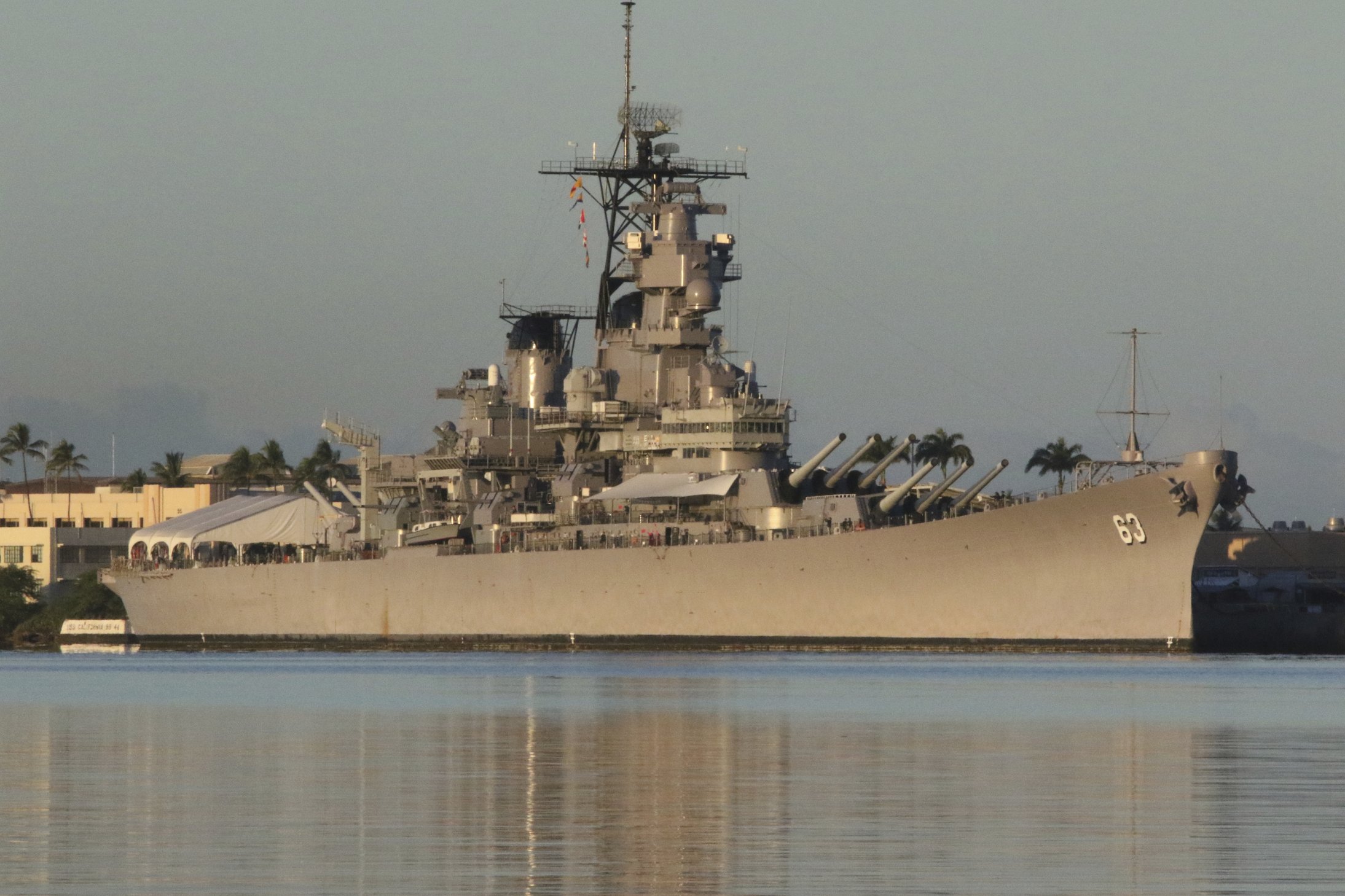
Yet the U.S. has never operated a nuclear-powered battleship, and no battleship has seen combat in 35 years. The last to fire in anger were the WWII-era Missouri and Wisconsin, which launched Tomahawk missiles and 16-inch shells during the Gulf War. Both were decommissioned after the Cold War.
The new ships, displacing about 40,000 tons—roughly equal to a Wasp-class amphibious assault ship—were originally planned with conventional propulsion. President Trump first unveiled the concept last December without mentioning nuclear power.
The proposal echoes the Navy's 1996 "arsenal ship" concept, a 40,000-ton vessel meant to operate independently, which was canceled within two years. It also revives a 1970s-era plan for a nuclear-powered "strike cruiser" championed by then-Defense Secretary Donald Rumsfeld. Congress did not fund it, and the Carter administration dropped it, with Defense Secretary Harold Brown arguing the cost came at the expense of acquiring more nearly capable surface combatants.
That argument mirrors the view of former Chief of Naval Operations Elmo Zumwalt, who resisted similar pressure. As he put it, "in most cases seven or five or even three ships of moderate capability would contribute far more to the success of this mission than one supership."
The shift to nuclear propulsion adds substantial cost to an already expensive ship. The Navy's budget justification book estimates the average unit cost of the first three battleships at just over $14.5 billion, with the lead ship costing about $17 billion. It remains unclear whether those figures reflect the nuclear propulsion decision. At nearly $15 billion, each battleship would cost more than the nuclear-powered Gerald R. Ford aircraft carrier, currently the Navy's most expensive vessel.
Critics point to history: General Billy Mitchell demonstrated battleship vulnerability to airpower in the 1920s, and the Russo-Ukraine war has shown surface ships' vulnerability to drones. The question Zumwalt posed remains open: whether the Navy needs an updated strike cruiser or, given evolving threats and the urgent need to expand its shrunken fleet, it would be better to procure "even three ships of moderate capability" for each nuclear-powered battleship.
As the Trump administration pushes forward with this plan, the debate over the role of nuclear propulsion in naval strategy continues. Meanwhile, global tensions over nuclear programs, as seen in ongoing discussions about Iran's nuclear ambitions and the broader implications for Middle East security, underscore the high stakes of such investments.