
At a working families tax cuts roundtable held at Sergio’s restaurant in South Florida, Republican leaders heard a clear message from Hispanic entrepreneurs: they are focused on expanding their businesses and creating jobs, not on political slogans. The event, hosted by House Republican Conference Chair Lisa McClain and the LIBRE Initiative’s Sandra Benitez, underscored a growing frustration with how Washington treats the Hispanic community as a monolith rather than recognizing its economic vitality.
Hispanic-owned businesses are among the fastest-growing segments of the U.S. economy. According to Census data, Hispanic-owned employer firms number nearly 496,000 and generate $730 billion in annual receipts. The vast majority are small enterprises—family restaurants, contracting firms, nail salons, and neighborhood shops—built through long hours, risk-taking, and deep community ties. Owners at the roundtable described how their employees become extended family, and how they celebrate milestones like a first surplus with the same joy as a Super Bowl win.
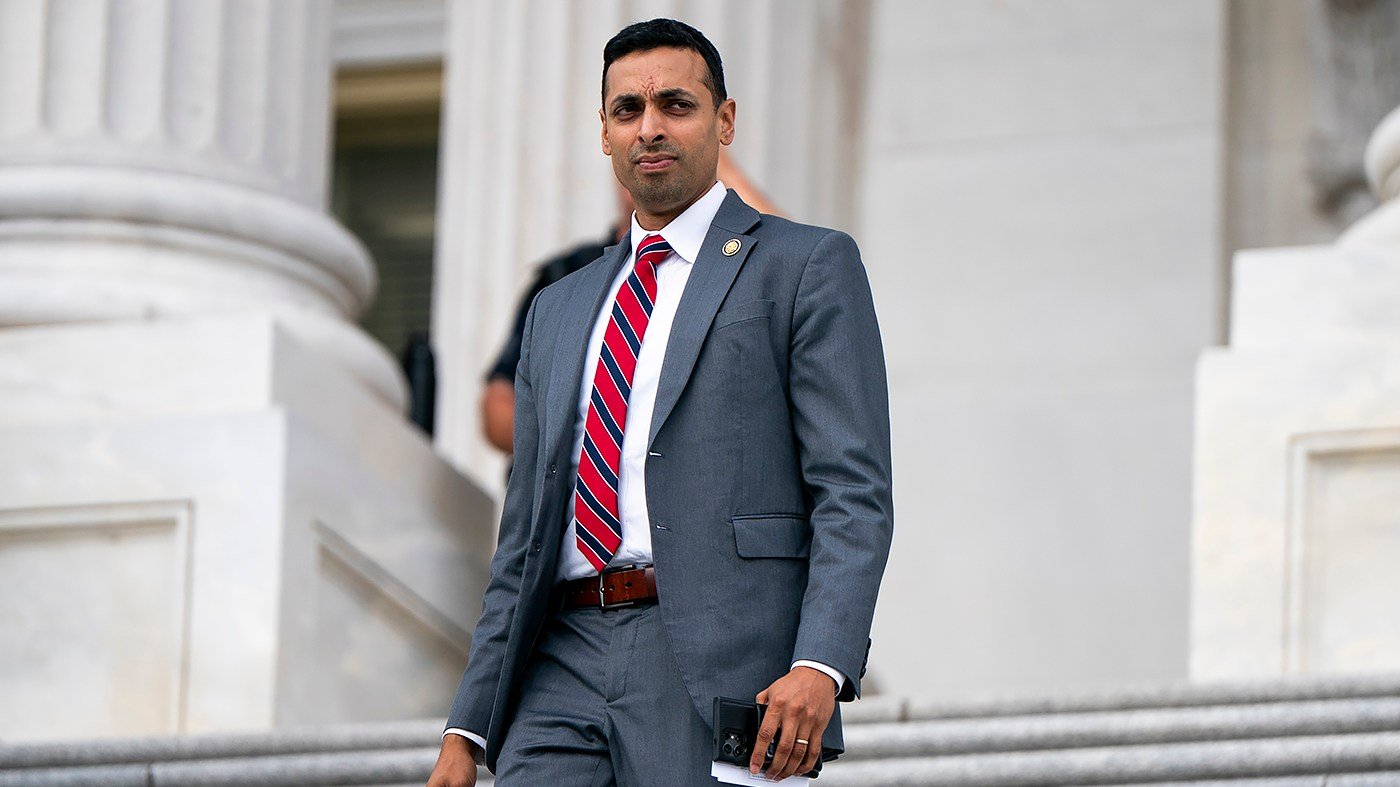
McClain, who represents Michigan’s 10th District and has a background in small business, told attendees that she understands the pressure of making payroll when families depend on you. “For owners of small businesses, success is not just financial,” she said. “Employees become extended family, and businesses become economic engines for the community.”
Republicans in Congress recently made the 20 percent small business tax deduction permanent, a move that passed without any Democratic support. Proponents argue that without this action, many growing small businesses would have faced a significant tax increase as key provisions of the 2017 tax law expired. The Working Families Tax Cuts package, they say, provides the certainty small-business owners need to plan, hire, and invest. Critics, however, contend that the permanent deduction primarily benefits higher-income business owners and does little for the lowest earners.
The political dynamics around this issue are particularly sharp given the broader debate over economic policy and immigration. As the U.S. population shrinks due to reduced immigration, the economic contribution of Hispanic entrepreneurs becomes even more critical. Meanwhile, political polarization has intensified, with some viewing tax cuts as a weapon in partisan battles. As one observer noted, the current political climate can feel “insufferable,” a sentiment echoed by many business owners who just want to get to work.
Hispanic Main Street is not asking for lectures or pandering, Benitez emphasized. They want the freedom to grow, invest in their communities, and build something they can pass on to the next generation. “Washington should stop treating Hispanic Americans as a political constituency first and an economic force second,” she said.
The roundtable at Sergio’s offered a glimpse of what these policies mean in practice: owners who are ready to hire, expand, and contribute to their neighborhoods, provided the government gives them the stability to do so. For now, Republicans are betting that permanent tax cuts will solidify their support among this key demographic, even as Democrats argue for a different approach.