The Senate parliamentarian dealt a significant procedural setback to Republican leaders on Thursday, ruling that several sections of their $70 billion immigration enforcement package violate the Byrd Rule, potentially requiring a 60-vote supermajority to pass if the language remains in the bill.
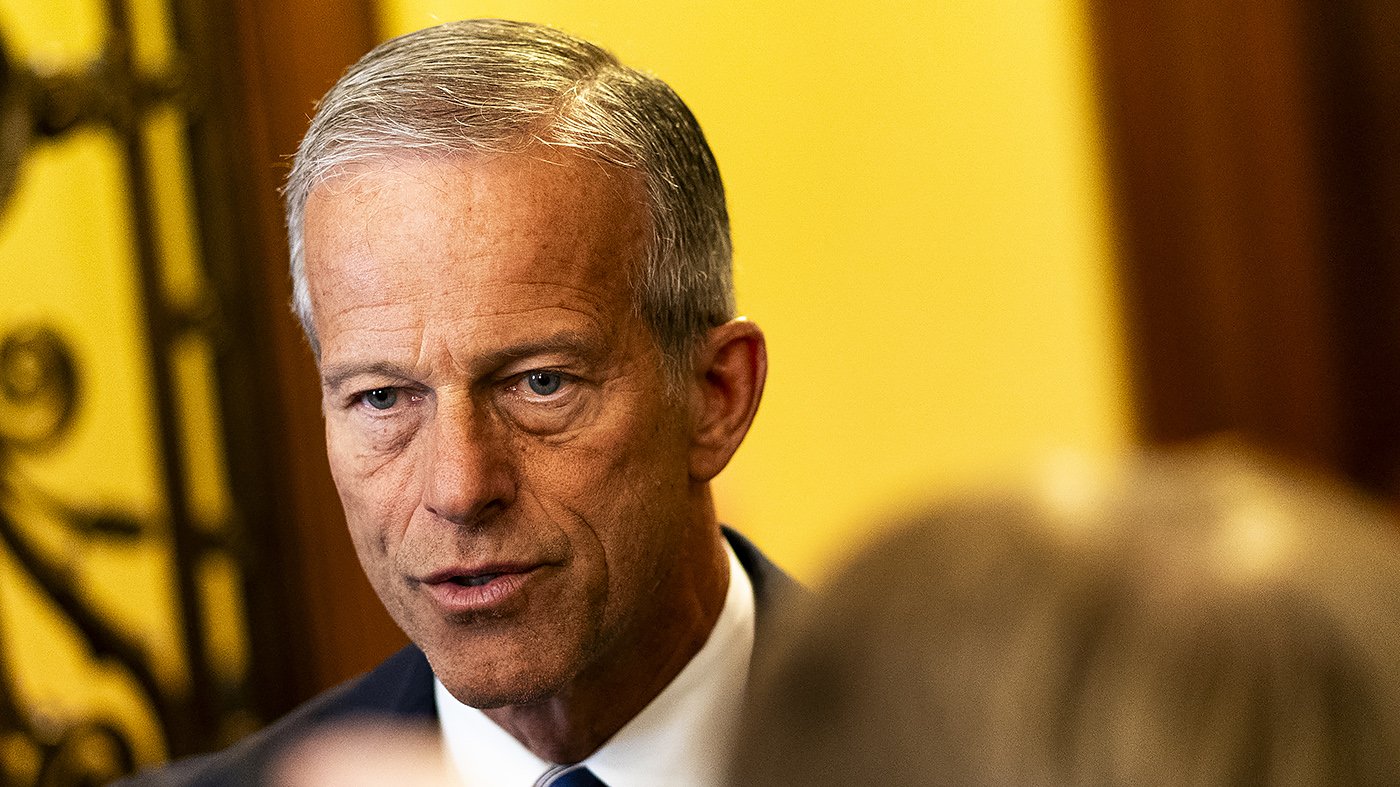
Senate Majority Leader John Thune (R-S.D.) had been pushing to bring the legislation to the floor next week, but the ruling forces Republicans to either redraft or remove the offending provisions. The package, part of the budget reconciliation process, aims to fund border security and immigration enforcement, but the parliamentarian determined that some elements exceed the scope of reconciliation rules.

Democrats quickly hailed the decision as a major win. Sen. Jeff Merkley (D-Ore.), ranking member of the Senate Budget Committee, said in a statement that the ruling upholds the rule of law and protects vulnerable children. “As Senate Democrats warned time and time again, we were prepared to look at every line of this bill to ensure it was compliant with the Byrd Rule. While we expect Republicans to continue to do anything Trump asks, this is a win for the rule of law and to ensure children in immigration detention are protected by existing laws,” Merkley said, adding that Democrats “are prepared to continue fighting this bill.”
Specifically, the parliamentarian struck down a section that would allow funds to be used for initial screenings of unaccompanied migrant children. She also ruled that the legislation inappropriately funded activities outside the Senate Homeland Security Committee’s jurisdiction. Additionally, the ruling concluded that the provision undermines protections for noncitizen children established by the Trafficking Victims Protection Reauthorization Act (TVPRA).
Another section of the bill, which provides $2.5 billion in appropriations for immigration-related provisions of the 2025 One Big Beautiful Bill Act’s Homeland Security title, was found to conflict with the Flores Settlement Agreement and the TVPRA. The Flores agreement is a binding federal consent decree that sets standards for the detention, treatment, and release of migrant minors apprehended by federal immigration officers.
The Byrd Rule prohibits provisions in reconciliation bills that make substantial policy changes with only incidental budgetary effects, ensuring such measures cannot bypass the 60-vote threshold. This ruling is a notable procedural obstacle for Republicans, who are using reconciliation to avoid a filibuster.
Senate Democratic Leader Chuck Schumer (N.Y.) declared the ruling a significant setback for Senate Republicans. “Senate Republicans’ reconciliation bill tells you exactly who they’re fighting for: Trump’s raids, Trump’s violent ICE agents, and Trump’s gilded ballroom — not working families. Democrats promised to fight this bill tooth and nail, and on Day One, we forced Republicans back on their heels. They’re already scrambling to rewrite key pieces of their plan,” Schumer said.
Thune’s spokesman, Ryan Wrasse, downplayed the ruling, calling it a matter of “technical fixes that were not unexpected.” In a post on X, Wrasse said, “Despite what Budget Dems would like folks to believe, the sky is not falling. These are all technical fixes that were not unexpected. We look forward to continued productive work with the parts to fully fund Border Patrol and immigration enforcement.”
The ruling comes amid broader political tensions over immigration policy and funding. Some GOP lawmakers have warned that failing to address immigration reform could hurt the party in midterm elections, as noted by a former Republican representative. Meanwhile, the White House has faced scrutiny over other policy areas, including potential funding requests for Iran-related military actions that could face Senate opposition.