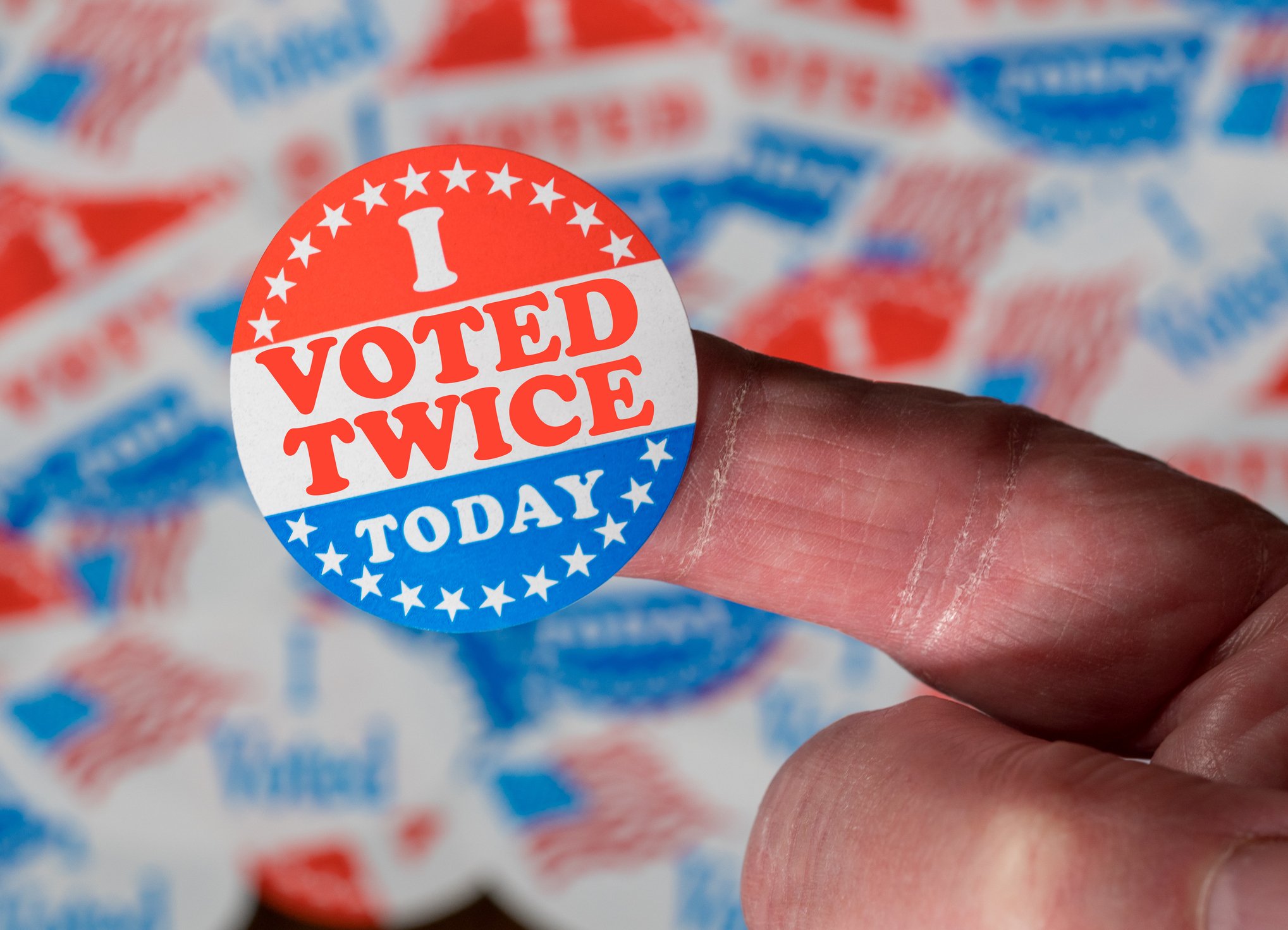
America’s voter registration system is in disarray, and the Republican Party is squandering a prime opportunity to fix it. The SAVE Act, which would tighten voter ID requirements and clean up voter rolls, has stalled on Capitol Hill—not because of Democratic opposition, but because GOP leaders have mismanaged the public case for it.
The problem is evident. Millions of voters remain registered in jurisdictions they no longer live in, and deceased individuals often stay on the rolls. A recent personal experience underscores the issue: after moving three years ago, I received a voter information update request from my old county. That’s hardly an anomaly.
Polling shows the public is on board. According to a Politico survey, 52 percent of voters support requiring proof of citizenship to register, with only 18 percent opposed. A YouGov poll found 59 percent back documentary proof of citizenship, including 35 percent of Democrats and 52 percent of independents. Yet Republicans have failed to translate this into legislative momentum. Their messaging has been limited to repeating poll numbers and pressuring holdout senators, with little outreach to the sizable undecided bloc—13 percent in the Politico poll and 12 percent in YouGov’s.
The Scope of the Problem
Double registration is a major driver of voter roll bloat. In the past year, over 3 million Americans moved across state lines, and millions more relocated within states. Each move can create a duplicate registration if the former county doesn’t delete the old record. A 2017 report found at least 7.2 million voters were double-registered; that number is likely higher today. Virginia, Oregon, and Pennsylvania have each reported thousands of non-citizens illegally registered, raising questions about the scale nationwide.
Local election boards often lack the resources to keep up. Understaffed and underfunded, they don’t always process notifications from the National Change of Address database or death certificates. The result is a system that breeds distrust.
A Missed Opportunity
Republicans have a reservoir of potential support they’re ignoring. The 42 percent of voters in the Politico poll who are undecided or neutral on voter ID represent a large group that could be swayed with a clear, persuasive campaign. Instead, the party has let Democrats and media allies frame the debate, arguing that non-citizen voting is rare and already illegal. That argument, while technically correct, can be turned against them: the public dislikes politicians excusing illegal behavior, even if infrequent.
The SAVE Act’s struggles mirror broader GOP communication failures. For instance, while the party has pushed for voter integrity, it has also faced internal divisions on issues like redistricting battles in South Carolina, where Trump’s influence was rejected by state Republicans. Meanwhile, the education system’s failure to prepare voters for a tech-driven world compounds the challenge of ensuring election integrity.
Time is running short. With the 2026 midterms on the horizon, Republicans must decide whether to get serious about voter roll cleanup or let the issue fester. The public is ready for action—the party just needs to deliver.