
The South Carolina Senate on Monday voted down a measure to extend the legislative calendar for a special session on congressional redistricting, rejecting a direct appeal from President Trump. The 29-17 defeat marks a significant setback for Trump, who had urged Republicans to act swiftly to draw new lines favorable to the GOP ahead of the fall midterm elections.
Trump took to Truth Social earlier Monday to pressure state lawmakers, writing: “South Carolina Republicans: BE BOLD AND COURAGEOUS, just like the Republicans of the Great State of Tennessee were last week! Move the U.S. House Primaries to August, leave the rest on the same schedule.” The president’s intervention underscored the high stakes of redistricting battles nationally, as Republicans seek to consolidate gains in a closely divided House.
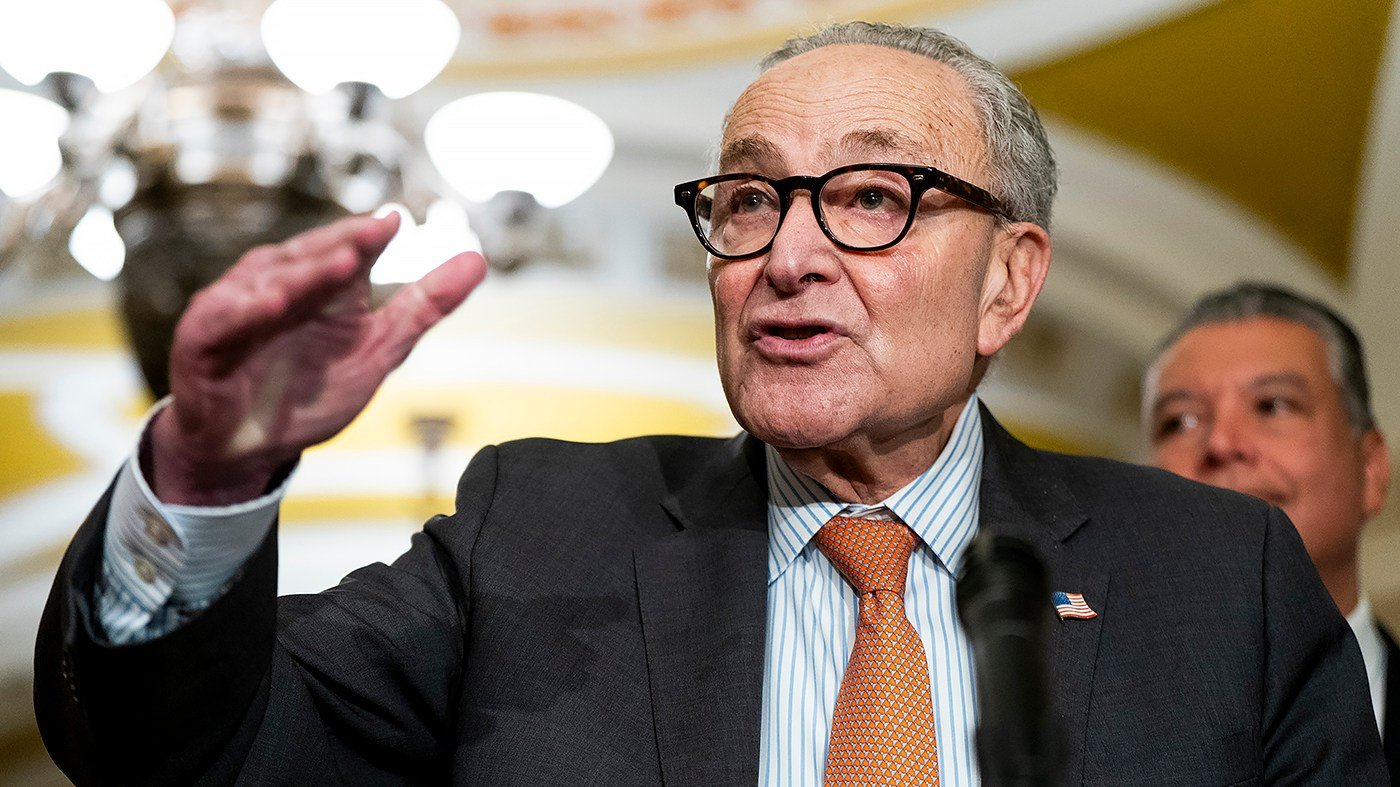
Democrats in the upper chamber celebrated the outcome, issuing a statement on X that they “welcome” the vote and that any extension “would have allowed the legislature to return for a politically motivated special session on congressional redistricting.” The Democratic caucus, which holds 12 seats in the 46-member Senate, framed the defeat as a victory against partisan gerrymandering.
The South Carolina Senate is composed of 34 Republicans and 12 Democrats, making the 29-17 tally notable—it suggests that at least five GOP senators broke with party leadership and Trump’s wishes. The failed extension leaves the current congressional map in place for the 2024 elections, a map drawn by a court-appointed special master after previous litigation over racial gerrymandering.
This rebuff comes amid broader Republican efforts to redraw districts in states like Louisiana and Nebraska. In Louisiana, Representative Julia Letlow is challenging Senator Bill Cassidy in a primary shaped by redistricting turmoil, while in Nebraska, Trump-backed candidates face competitive primaries. Meanwhile, Trump’s recent moves to shuffle agency leadership—including naming a fourth acting FEMA chief—have added to the sense of political turbulence.
The vote also highlights internal GOP divisions over strategy. Some South Carolina Republicans argued that reopening redistricting so close to the primaries could create confusion and legal challenges, while others feared it would hand Democrats a messaging weapon. The Senate’s decision effectively ends any chance of a Trump-inspired map for this cycle, forcing the party to rely on the current court-drawn boundaries.
For Trump, the loss in a reliably red state is a reminder that even friendly legislatures can resist his pressure. The president has made redistricting a priority, seeing it as a tool to offset Democratic advantages in suburban districts. But in South Carolina, at least, that effort has stalled—at least until the next legislative session.