In an era of widespread skepticism about government effectiveness, New York City Mayor Zohran Mamdani is betting that fiscal discipline and progressive investment can coexist. Just months into his term, Mamdani announced a budget that eliminates a $12 billion shortfall without resorting to layoffs or service cuts—while pouring new money into education, infrastructure, and housing.
“When we came into office, we uncovered a $12 billion budget deficit. Today, I’m proud to say we brought it down to zero,” Mamdani posted on X. “We didn’t close the gap on the backs of working people. We closed it while funding parks, libraries, safer streets and making historic investments in public housing.”
Revenue from Wealth Taxes and State Aid
The mayor credited a combination of new revenue streams and state partnership for the turnaround. A tax on the city’s wealthiest residents is projected to raise $8.5 billion annually. Additionally, a deal with Governor Kathy Hochul unlocked $7.6 billion in state aid—a boost Mamdani described as long overdue for the city.
“We taxed the rich. That tax alone will raise $8.5 billion per year, and that’s not all. Thanks to Governor Hochul and our partners in Albany, we finally got a better deal for New York City,” Mamdani said.
The administration also cut costs by reducing unnecessary overtime and imposed a new tax on luxury homes that sit vacant most of the year—a move aimed at both raising revenue and addressing housing speculation.
Education and Childcare Take Center Stage
The budget includes $122 million for public schools, funding 1,000 additional teachers. It also expands universal childcare—a policy Mamdani framed as essential, not optional, for working families.
“We began with a promise: universal childcare. And by day eight, we delivered it,” Mamdani said. “Thanks to a historic $1.2 billion partnership with Governor Kathy Hochul and the organizing of more than 100,000 New Yorkers during the campaign, we will not only make 3K truly universal, we will deliver free childcare for 2-year-olds for the first time in New York City history.”
The move comes amid broader debates about public education funding and affordability. A recent analysis of U.S. schools highlighted the challenge of preparing students for a competitive global economy—an issue Mamdani’s investment aims to address.
Tangible Quality-of-Life Wins
Beyond the headline numbers, the administration points to concrete results: more than 100,000 potholes filled, expanded worker protections, and millions of dollars in settlements from slum landlords. These efforts, Mamdani argues, demonstrate that government can deliver measurable improvements in daily life.
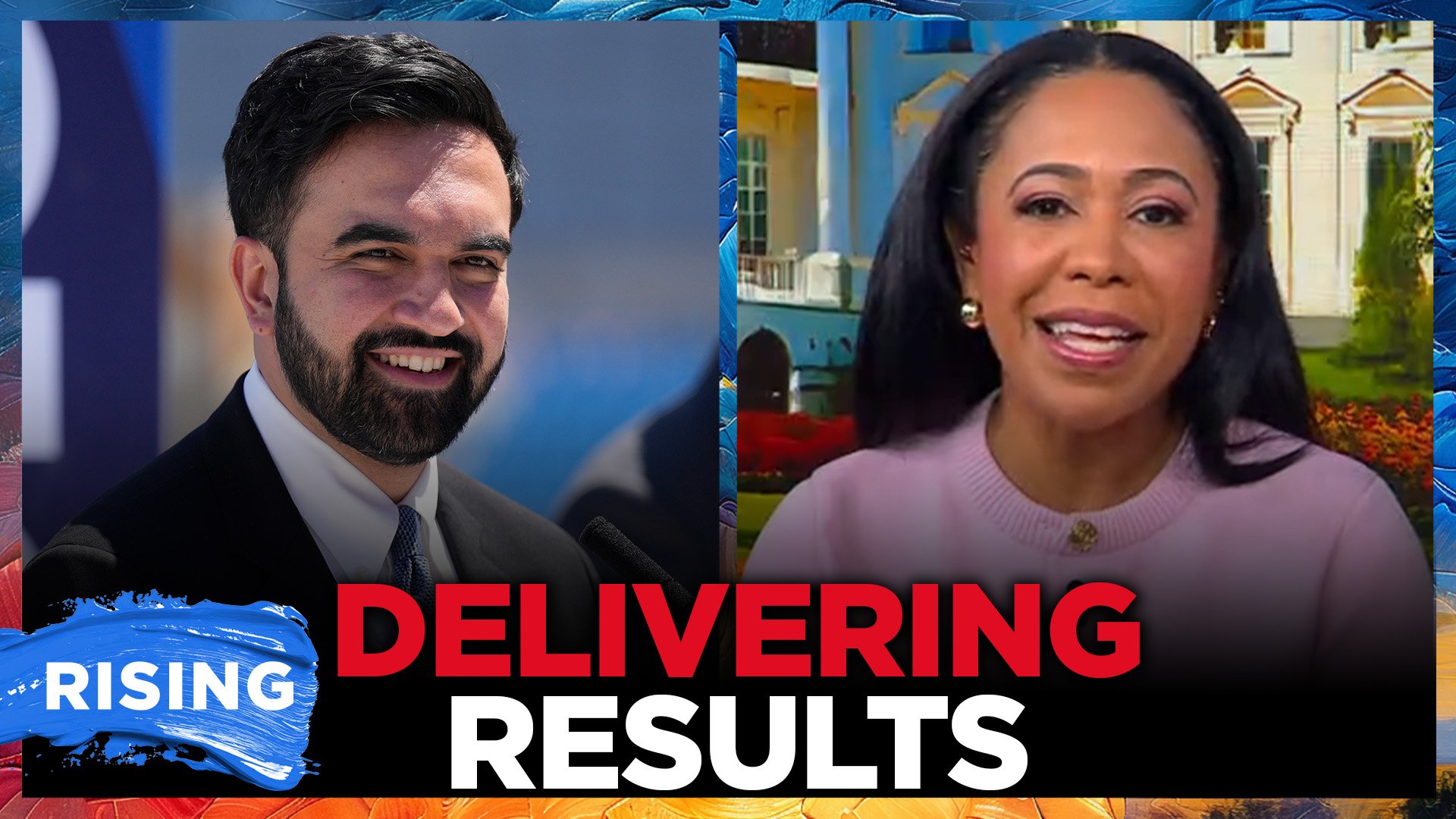
“You can debate ideology all day long. But if critics think there’s a better way to make life more affordable, strengthen public services, and deliver measurable results, spare us all the constant criticism of Mamdani and offer up your own solutions,” wrote Lindsey Granger, a NewsNation contributor and co-host of The Hill’s “Rising,” in an edited transcript of her commentary.
Still, the mayor’s approach has drawn scrutiny. Some question the initial $12 billion deficit figure and the long-term sustainability of relying on wealth taxes and state aid. As the budget fix faces examination, critics and supporters alike will watch whether Mamdani can maintain fiscal balance while expanding public services.
With affordability dominating political discourse—from the California gubernatorial race to New York City hall—Mamdani’s early moves offer a test case for progressive governance in a high-cost urban environment. Whether his model proves replicable or remains unique to New York’s political and economic landscape is an open question.