New York City Mayor Zohran Mamdani has been touting a balanced budget as a major achievement, but a closer look reveals a fiscal plan that critics say is built on shaky ground. The young mayor, a progressive favorite, inherited a $12 billion deficit and claims to have closed the gap without burdening working-class residents. However, his approach has drawn sharp rebukes from fiscal watchdogs and political insiders alike.
Independent Senator Bernie Sanders cheered Mamdani on social media, congratulating him for bringing the deficit to zero while investing in childcare, housing, and infrastructure. But the reality is more complicated. Mamdani's budget relies heavily on a $4 billion bailout from Governor Kathy Hochul, who is reportedly wary of losing left-wing support ahead of November's election. This infusion, along with a mix of deferred payments and optimistic revenue projections, has raised eyebrows.
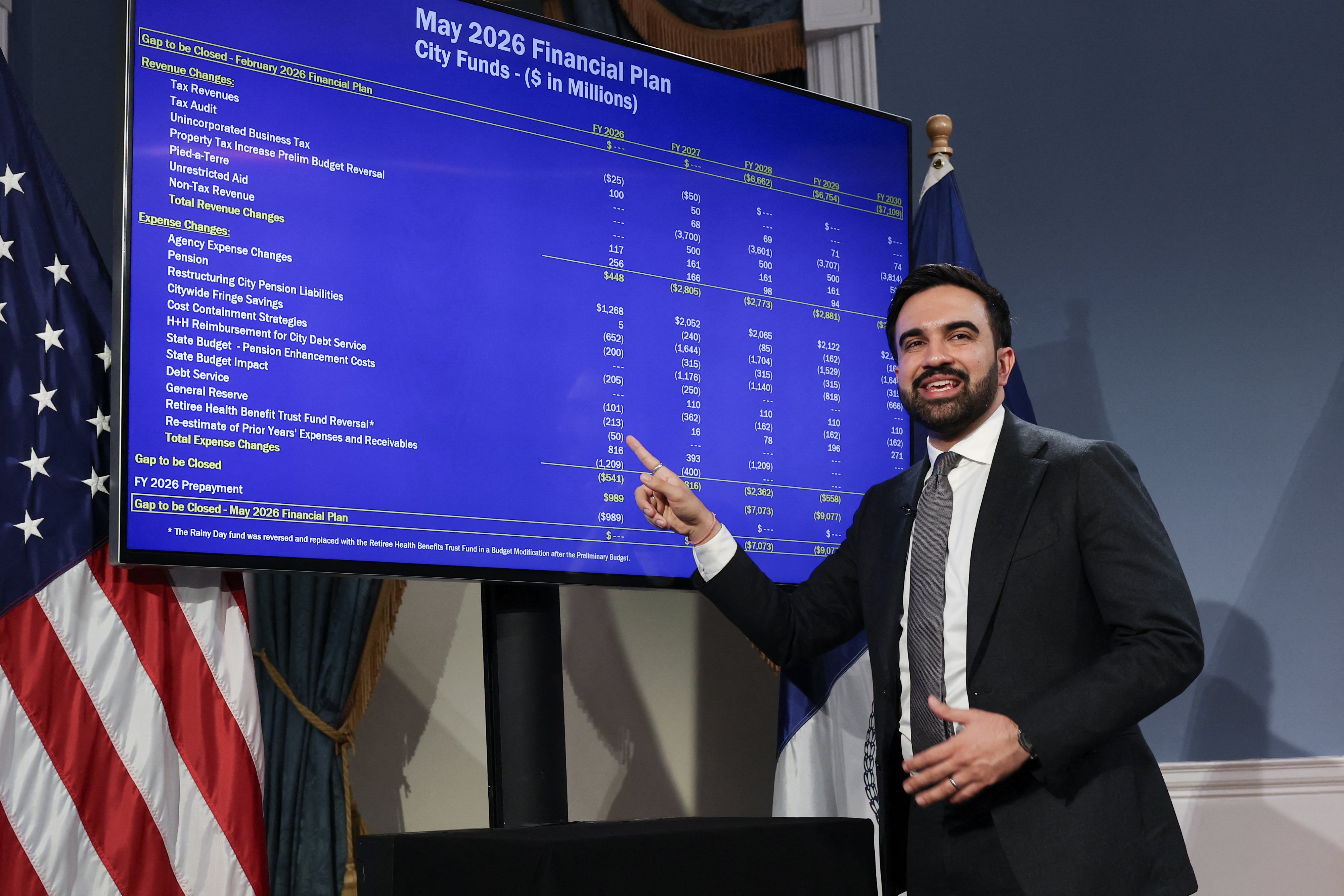
City Comptroller Mark Levine, a Democrat, issued a statement noting that the budget merely postpones addressing structural imbalances. He pointed out that the city continues to spend more than it takes in, even amid record revenues. Levine highlighted looming gaps: a $7.1 billion hole in fiscal 2028, growing to $9.8 billion by 2030. A Democratic operative told the New York Post, “Mamdani’s budget is as real as Kim Kardashian’s lips.”
Among the questionable savings is $94 million from “terminating contracts where city workers can do it better,” a claim that skeptics find dubious given the inefficiencies of agencies like the DMV and 311. Another $368 million is expected from improving “efficiency of public services,” with nearly $1 billion from “accurately estimating expenses.” Critics argue these figures are aspirational at best.
Revenue projections are similarly shaky. Mamdani’s pied-à-terre tax, aimed at wealthy out-of-town property owners, is expected to raise $500 million, but Levine warned that “behavioral changes” could significantly reduce that amount. The mayor also backed off a threatened 9.5% property tax hike after widespread opposition, but the fiscal pressures remain.
Spending is set to grow 28% between fiscal 2025 and 2030, and major union contracts for police and firefighters expired in July 2025. Any raises above the budgeted 1.25% annually will require additional cash the city doesn’t have. These long-term liabilities underscore the fragility of Mamdani’s short-term fix.
The mayor’s approval rating has plummeted to 30%, below his predecessor Eric Adams, amid controversies including the deaths of 18 people from exposure on city streets and ties to figures like Hasan Piker, known for antisemitic rhetoric. For progressives, Mamdani is a test case, and his struggles have sparked anxiety among leftist allies.
As Comptroller Levine noted, the budget “delay[s] addressing the deeper structural imbalances in the City’s budget.” The can-kicking may buy time, but the bills are coming due. For now, New Yorkers are left wondering if Mamdani’s fiscal wizardry is more illusion than substance.
For more on how financial pressures are shaping city politics, see Mamdani's policies risk driving business away. The broader debate over fiscal accountability also echoes in Americans' bipartisan concern about money in politics.