New York City Mayor Zohran Mamdani may have just made the costliest political error of his tenure—one that could drain billions from the city’s economy. By picking a fight with Citadel CEO Ken Griffin, a billionaire who has already demonstrated he will relocate his firm to escape hostile tax policies, Mamdani is now watching a $6 billion expansion project slip away.
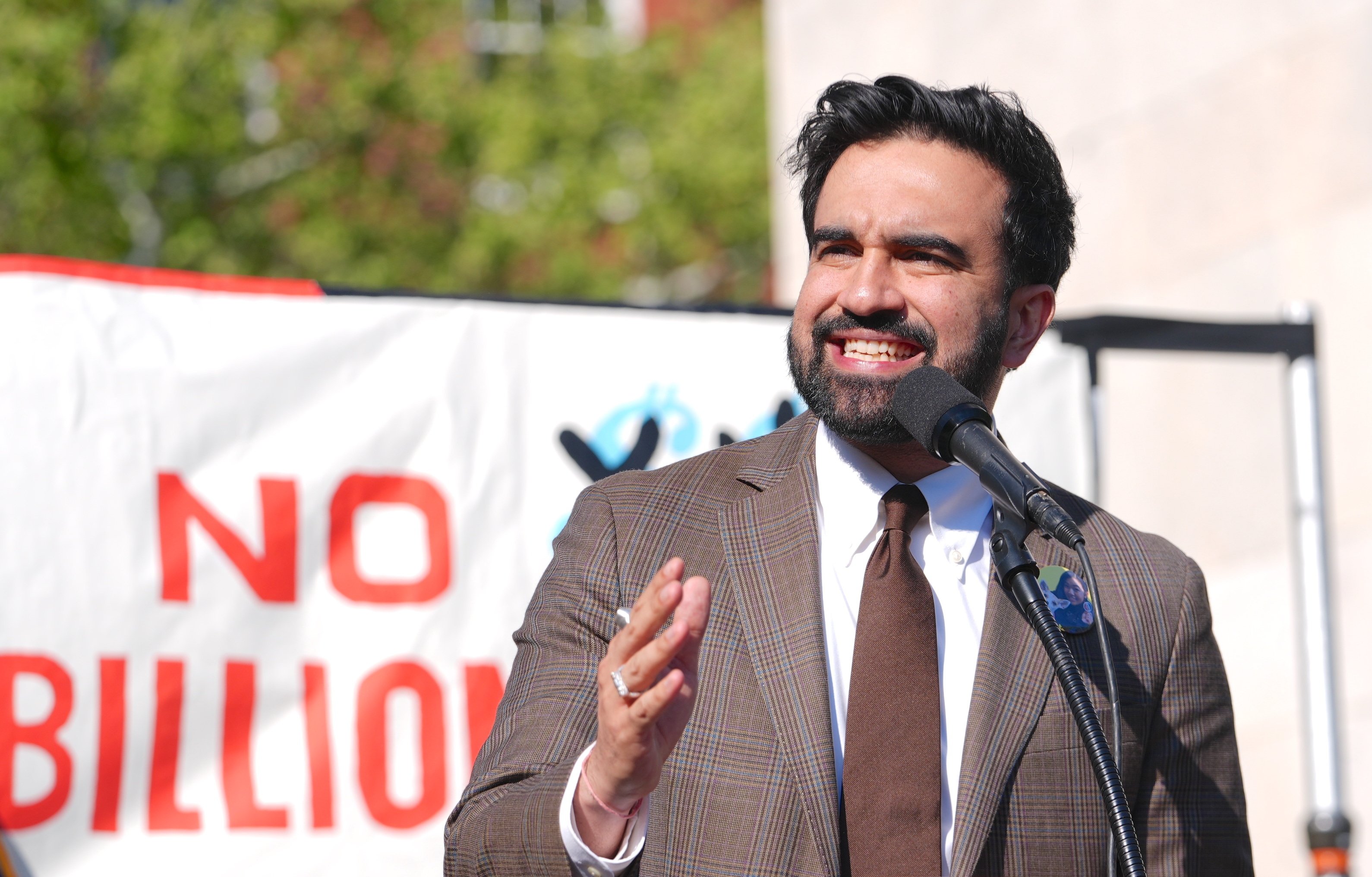
On April 15, Mamdani posted a video outside Griffin’s $238 million Manhattan penthouse to promote his proposed “pied-a-terre” tax—an annual levy on luxury properties worth more than $5 million whose owners don’t live in the city full-time. The video was meant to rally support for taxing the ultra-wealthy, but it instead triggered a rapid and decisive response from Griffin, who is known for pushing back against what he sees as personal attacks.
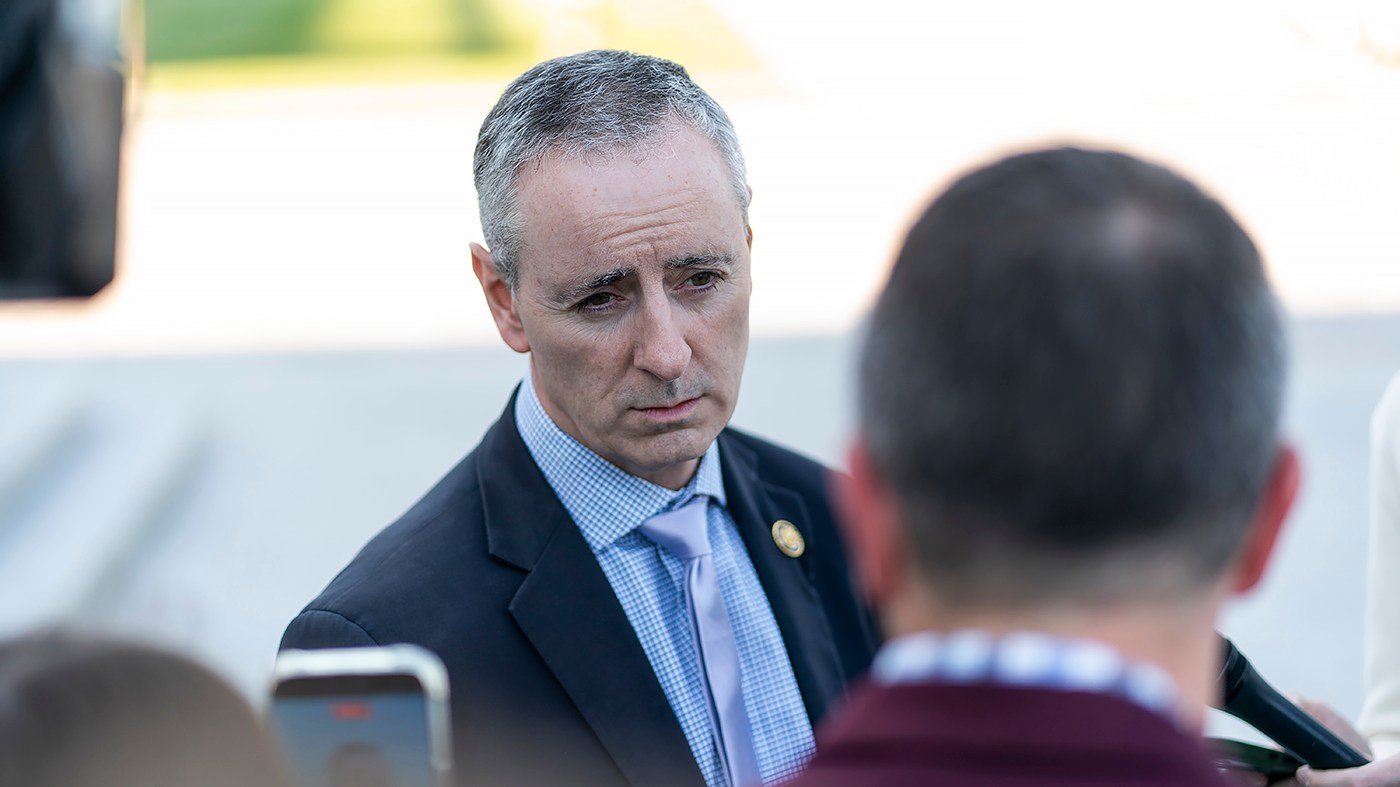
Speaking at an investment conference in Oslo days later, Griffin linked Mamdani’s video to a broader climate of “demonizing” business leaders, drawing a chilling parallel to the assassination of UnitedHealthcare’s CEO near his own New York residence. “What upset me was the personal attack,” Griffin said. The remark underscored the stakes of the mayor’s strategy.
Mamdani’s miscalculation is especially glaring given Griffin’s track record. In 2022, Griffin moved Citadel’s headquarters from Chicago to Miami after citing Illinois Governor JB Pritzker and Chicago Mayor Lori Lightfoot’s soft-on-crime policies and high taxes. Even former Obama aide David Axelrod called that loss “a blow to the city and state, not just because of the taxes lost, but because of Griffin’s philanthropy.”
Citadel COO Gerald Beeson fired back with an internal memo detailing the firm’s contributions to New York: nearly $2.3 billion in city and state taxes from principals and 2,500 employees over five years, plus $650 million in charitable donations to groups like the Robin Hood Foundation and Success Academy Charter Schools. Beeson also outlined the planned redevelopment of 350 Park Avenue—a project that would create 6,000 high-paying construction jobs and support 15,000 permanent positions. “The project—if we move forward—will involve more than $6 billion in spending,” he wrote.
Griffin announced at the Milken Conference in California that Citadel is now reconsidering that expansion, thanks to Mamdani’s “creepy” and “weird” video. The mayor seems to have missed a fundamental rule of tax policy: to tax the rich, you need them to stay. His anti-business crusade risks accelerating a death spiral where fewer residents and businesses lead to higher taxes on those left behind, driving even more to leave.
This is not the first time New York’s far-left leaders have driven away major economic opportunities. In 2019, Representative Alexandria Ocasio-Cortez helped block Amazon’s second headquarters in Long Island City, costing the city 25,000 jobs. Ocasio-Cortez celebrated the move as a victory against “corporate greed,” but critics noted that Amazon simply expanded elsewhere, leaving New York without the jobs and tax revenue. One observer posted: “You didn’t defeat Amazon—it will succeed elsewhere. You defeated yourselves.”
Mamdani’s attack on Griffin fits a pattern of hostility toward wealth creators that ignores the practical consequences. As Europe’s failed experiments with wealth taxes have shown, driving away capital and talent rarely funds the social programs progressives promise. Meanwhile, the mayor’s budget deficit yawns, and his freebie proposals remain unfunded.
If Mamdani’s video pushes Citadel to abandon its $6 billion expansion, the cost will be borne by the very working-class New Yorkers he claims to champion. The city’s leaders must decide whether to keep chasing the rich away—or start figuring out how to keep them.