President Trump's reported one-page memorandum of understanding aimed at ending hostilities with Iran has ignited a fierce backlash from his own conservative base, including prominent media figures and pro-Israel advocates who have long cheered his confrontational approach toward the Islamic Republic.
The deal, as outlined by Axios, would halt Iran's nuclear enrichment for a limited period—estimated at 10 to 20 years—while gradually scaling back U.S. sanctions. In exchange, both sides would relax their blockades in the Strait of Hormuz, restoring free passage that existed before the conflict. The proposal follows Trump's surprise announcement Tuesday to end Project Freedom, a military operation launched just a day earlier to free commercial ships trapped in the Persian Gulf.

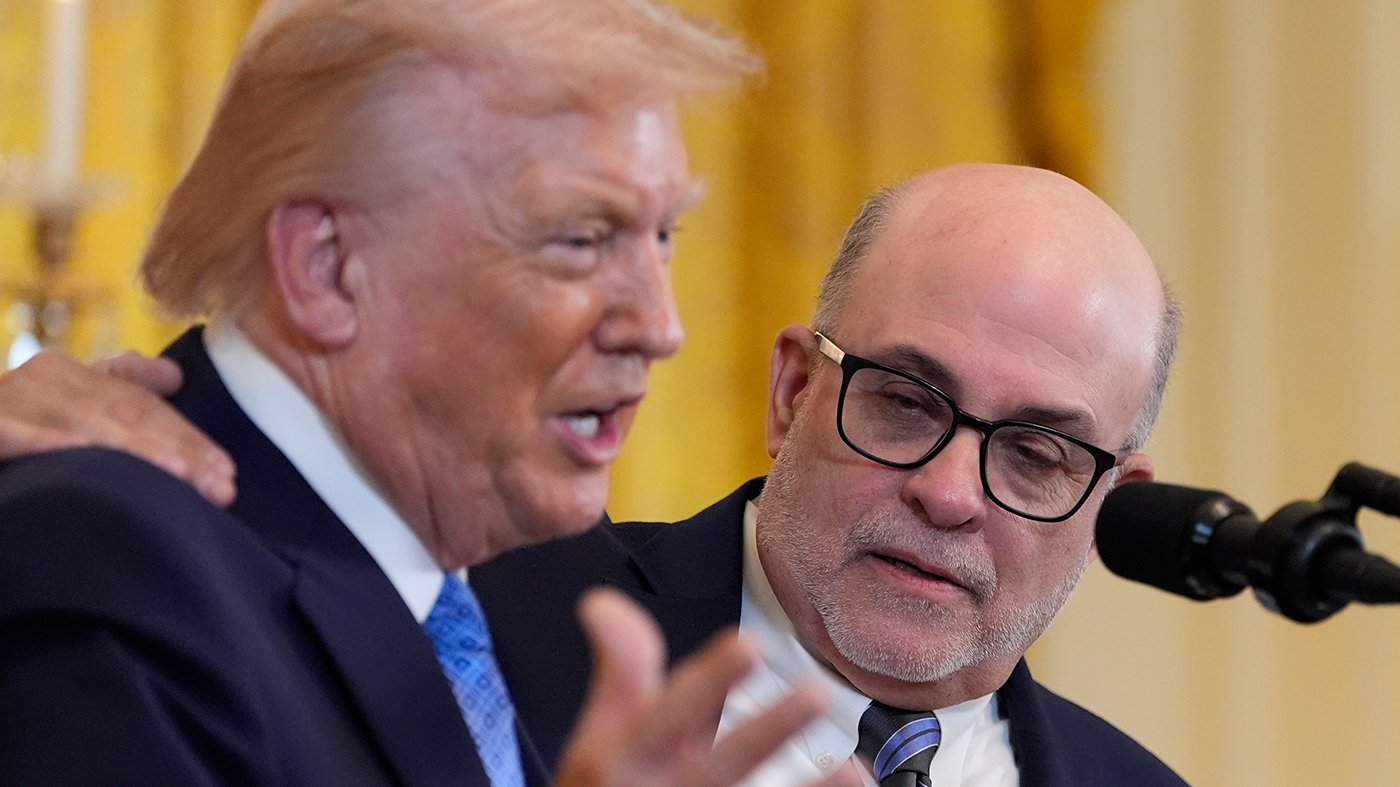
Fox News host Mark Levin, whom Trump has praised for defending the war against MAGA critics, called the agreement “disastrous” for both Iranians and the Israeli government. In a Wednesday post on X, Levin argued that the deal would be a political loser for the president and Republicans, writing: “The Democrats, the media, and the isolationists will declare the operation a failure.” Levin added that he suspects the Axios report is “largely fake,” though neither Trump nor the White House has disputed its accuracy.
Conservative radio host Hugh Hewitt, another Trump supporter, echoed those concerns. “This would be a terrible deal,” Hewitt wrote on social media, insisting that any agreement must include a permanent end to enrichment, immediate transfer of highly enriched uranium, and a halt to Iran's proxy activities. “President Trump never gives up leverage. Why would he start now with #Iran on the ropes?” he added.
Morton Klein, president of the Zionist Organization of America, warned that the current Iranian leadership cannot be trusted. “If this regime remains in place, they will do all they can to continue moving forward with their agenda, funding terrorism, developing nukes and ballistic missiles,” Klein told The Hill. He questioned why the U.S. would offer concessions when Trump himself has said Tehran is desperate for a deal.
Trump reiterated Wednesday that Iran is pushing for negotiations. “We're dealing with people that want to make a deal very much, and we'll see whether or not they can make a deal that's satisfactory to us,” he told Fox News, giving Tehran a one-week deadline to reach a peace agreement. The U.S. struck Iranian targets Thursday for the first time since a ceasefire began last month, in retaliation for attacks on American warships in the Strait of Hormuz. Trump described the strikes as a “love tap” and insisted the ceasefire remains intact.
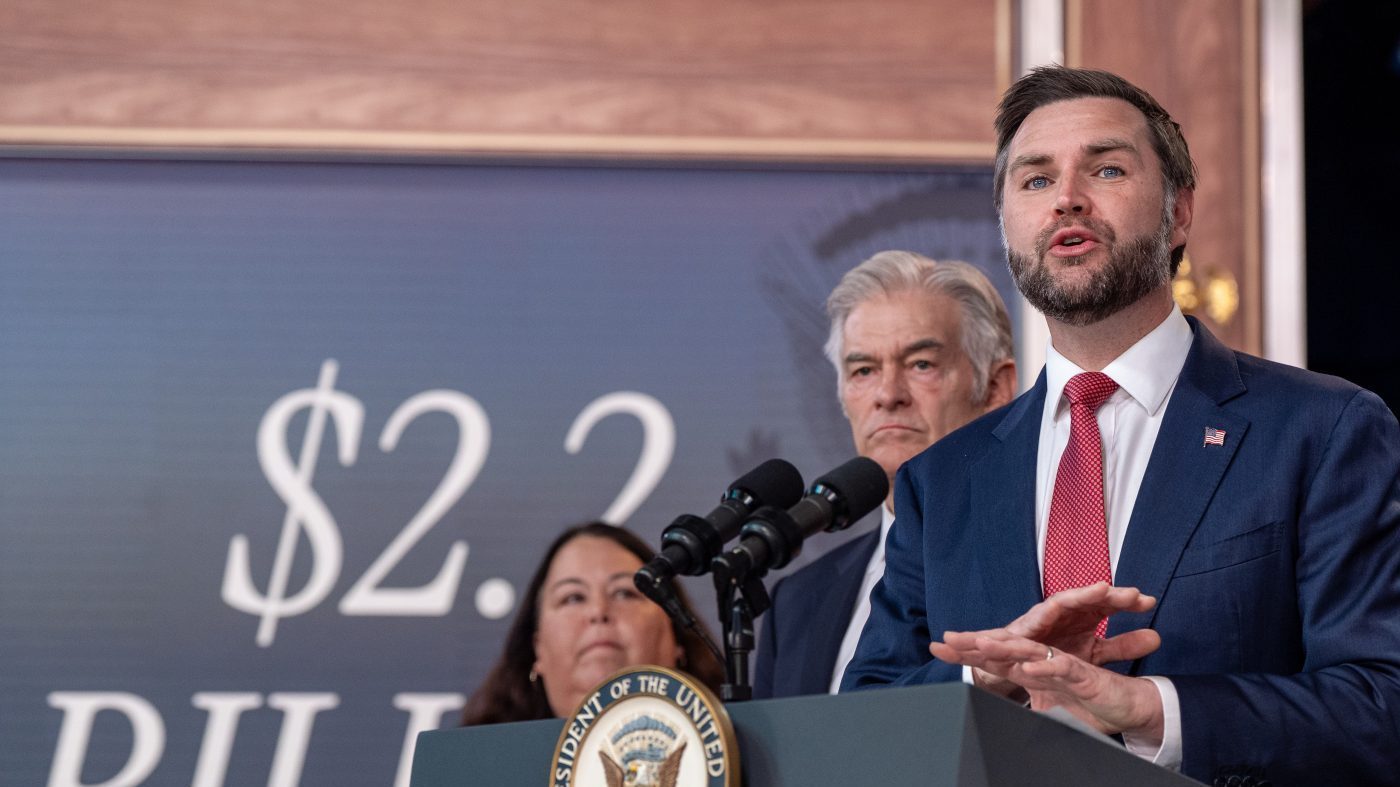
Behind the scenes, however, the White House is growing anxious about the economic toll of a prolonged conflict. The Wall Street Journal reported Thursday that Trump advisers are eager to wrap up the war to lower gas prices and avoid jet fuel shortages that could spike summer travel costs. Vice President Vance has reportedly raised concerns about the depletion of U.S. military stockpiles, which could hamper the ability to defend allies elsewhere.
Klein argued that if the administration's claims about the blockade's effectiveness are accurate, Iran is only weeks from collapse. “We're losing $400 to $500 million a day. So the blockade is working. A few more weeks. [Treasury Secretary Scott] Bessent has said the regime will collapse. So why aren't we continuing the blockade?” he asked. Bessent told Fox News over the weekend that Iran's oil infrastructure is rapidly deteriorating, predicting the regime may have to shut in wells “in the next week.” He said Trump has directed the Treasury Department to unleash “economic fury” on Tehran, describing the strategy as “sprinting towards the finish line.”
The internal debate underscores a broader tension within Trump's coalition: whether to pursue a negotiated settlement that could stabilize energy markets and avoid a protracted war, or to maintain maximum pressure aimed at regime change. For now, the president's most loyal supporters are making clear they see any compromise as a betrayal of the war's original goals.