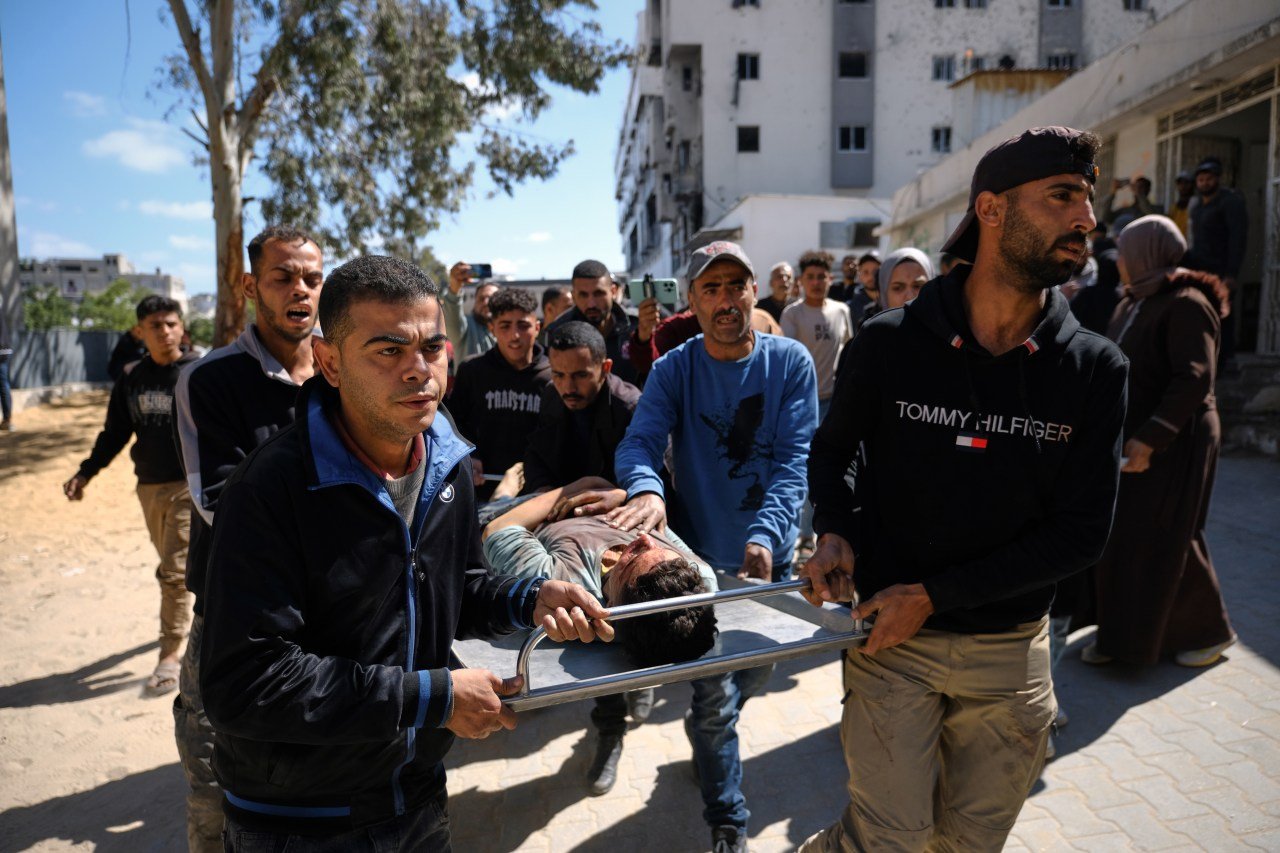
The son of Hamas’s lead negotiator has died from injuries sustained in an Israeli military strike on Gaza City, the militant group confirmed Thursday, injecting fresh tension into the already fragile ceasefire process.
Azzam al-Hayya, 32, was wounded in an attack that killed one other person and left several more injured, according to Hamas. The Israeli military has not commented on the strike. Khalil al-Hayya, the father and Hamas’s chief negotiator, is based abroad and has been a central figure in indirect talks with Israel.
The killing comes as the U.S.-brokered ceasefire that halted major combat operations in October remains under strain. Key terms of the agreement—including the disarmament of Hamas, deployment of an international stabilization force, and full Israeli withdrawal from the half of Gaza still under its control—have not been fulfilled. Both sides have accused each other of violations.
Hamas accused Israel of attempting to pressure its negotiators through targeted killings. It remains unclear whether Azzam al-Hayya was the intended target. In remarks to Al Jazeera after his son was wounded, Khalil al-Hayya said that if his son was targeted, “it would be an honor to me, to him, and to all Palestinians.”
When pressed on disarmament, al-Hayya insisted Hamas would only discuss the second phase of the ceasefire after Israel completes the first phase, which includes a full cessation of hostilities and a surge in humanitarian aid. That position underscores the deep impasse in talks aimed at ending the war sparked by Hamas’s October 7, 2023, attack, which killed some 1,200 Israelis and saw 251 taken hostage.
This is not the first time al-Hayya has lost a son to Israeli strikes. Another son, Hammam, was killed in September in an Israeli operation targeting Hamas leaders in Qatar. Speaking at Shifa Hospital in Gaza, al-Hayya’s daughter, Tasnim, said the deaths would not force her father’s hand. “We are like all our people. Everyone has suffered and everyone has sacrificed. We are one of them,” she said.
More than 72,000 Palestinians have been killed in Gaza since Israel launched its offensive in response to the October 7 attack, according to local health authorities. The broader civilian toll continues to mount, with families grappling with shortages of water, food, and shelter. In a separate incident Wednesday, an Israeli strike killed three members of one family—a man, his son, and his nephew—as they set up new tents after moving out of a school shelter, according to relative Yahiya Kishko.
The ongoing violence and stalled diplomacy have drawn international concern. While the U.S. has pushed for a durable ceasefire, the political landscape remains volatile. Meanwhile, the Trump administration has threatened escalated strikes on Iran unless Tehran accepts peace terms, a dynamic that could further complicate regional stability.