An Iranian parliamentary official on Wednesday dismissed a reported peace proposal to end the U.S. military campaign against Iran as nothing more than an “Americans’ wish list,” signaling deep skepticism in Tehran about Washington’s intentions.
“Axios’ text is Americans’ wish list until it becomes reality,” Ebrahim Rezaei, the spokesperson for the Iranian parliament’s national security committee, wrote on X, in a post translated from Persian. He added, “Americans will not obtain through a failed war what they failed to gain in face-to-face negotiations.”

Rezaei’s remarks came as reports emerged that the U.S. and Iran were working on a one-page memorandum of understanding to halt hostilities. According to a source familiar with the talks, the proposed framework would set the stage for future discussions on Tehran’s nuclear program, which has been a core flashpoint.
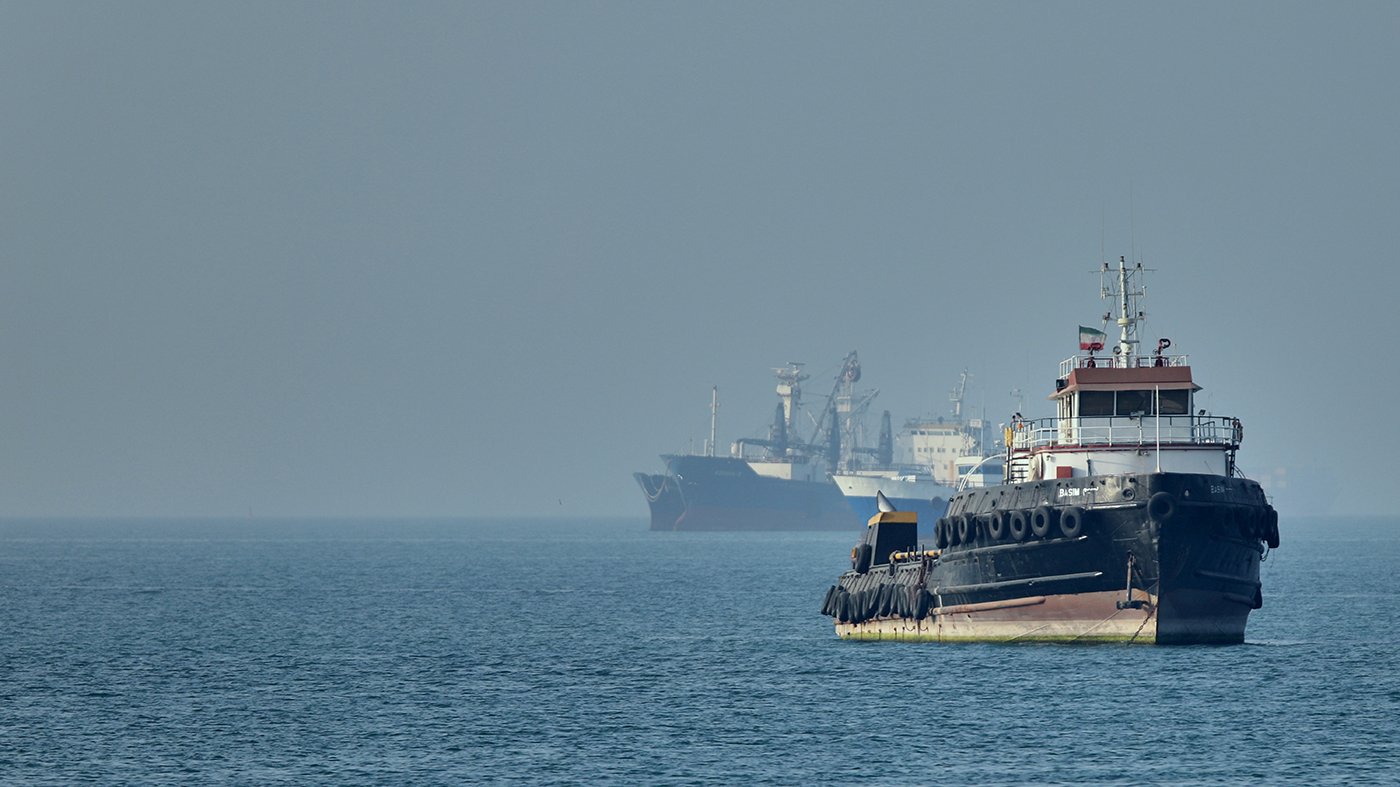
The reported deal, first detailed by Axios, would include a moratorium on Iranian nuclear enrichment, a lifting of U.S. sanctions, the release of billions in frozen Iranian assets, and both sides agreeing to reopen the Strait of Hormuz to commercial traffic. The strait, a critical chokepoint for global oil shipments, has been a central theater in the conflict since Iran began threatening non-allied vessels roughly two months ago.
President Trump’s abrupt decision Tuesday night to end a military operation aimed at loosening Iran’s control over the strait caught many off guard, especially as reports of a potential framework deal emerged shortly after. The shift has sparked skepticism among allies and critics alike, with some questioning whether Tehran is negotiating in good faith. For more on the sudden policy pivot, see Trump's Abrupt Shift to Iran Peace Talks Sparks Skepticism.
Rezaei’s combative language underscores the fragility of any potential agreement. “Iran has its finger on the trigger and is ready; if they do not surrender and grant the necessary concessions, or if they or their devilish henchdog allies try to act mischievously, we will deliver a harsh and regret-inducing response,” he warned.
The Trump administration has maintained that military pressure brought Iran to the table, but Tehran’s public posture suggests a deep unwillingness to compromise. The president has previously threatened to escalate strikes if Iran does not accept terms. Read more on that dynamic in Trump Threatens Escalated Strikes on Iran Unless Tehran Accepts Peace Terms.
Meanwhile, the humanitarian and economic toll of the conflict continues to mount. A recent survey found that financial fear outweighs death for 70% of Americans, with Gen X most anxious—a backdrop that may be influencing the administration’s push for a deal. For more, see Financial Fear Outweighs Death for 70% of Americans, Gen X Most Anxious.
As talks remain in flux, it remains unclear whether the reported memorandum will bridge the divide or become another footnote in a long history of failed U.S.-Iran negotiations.