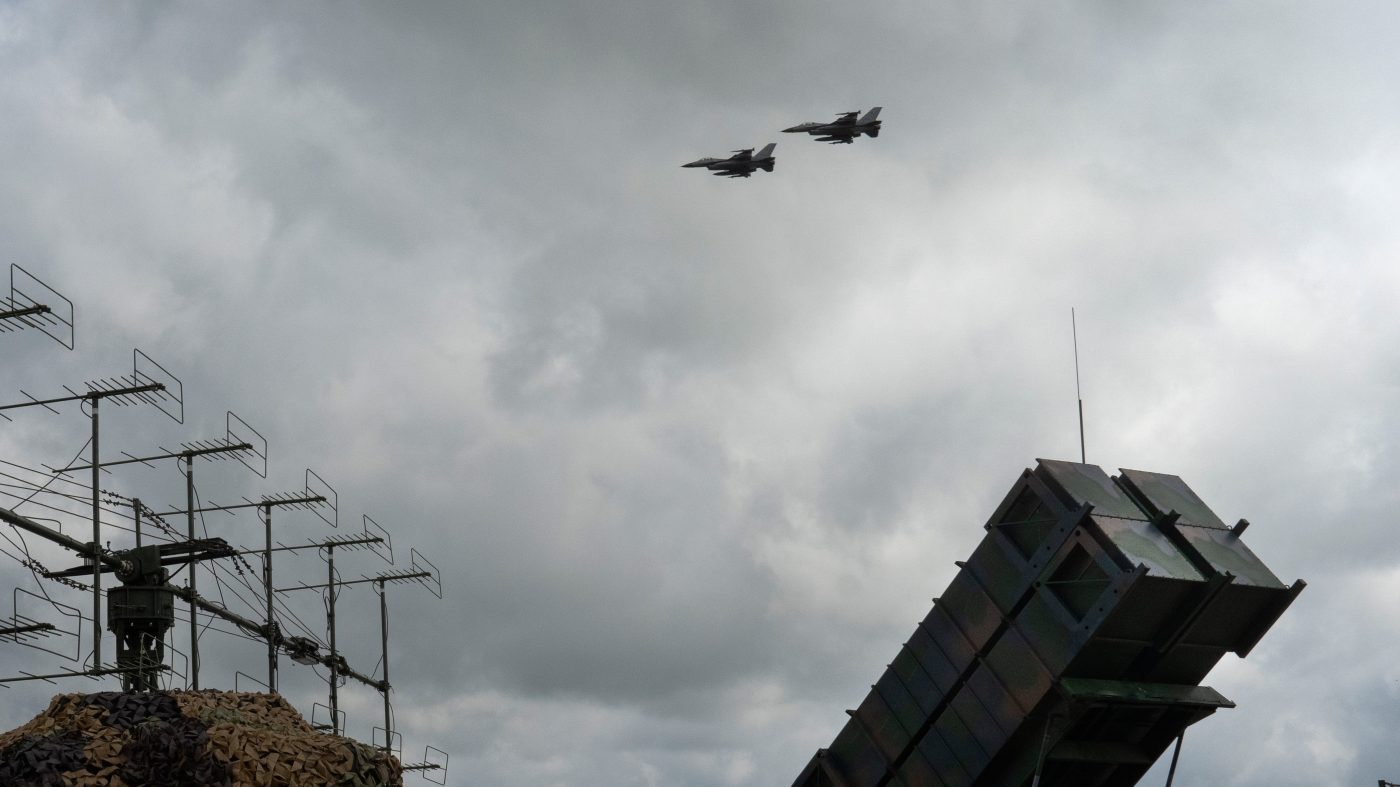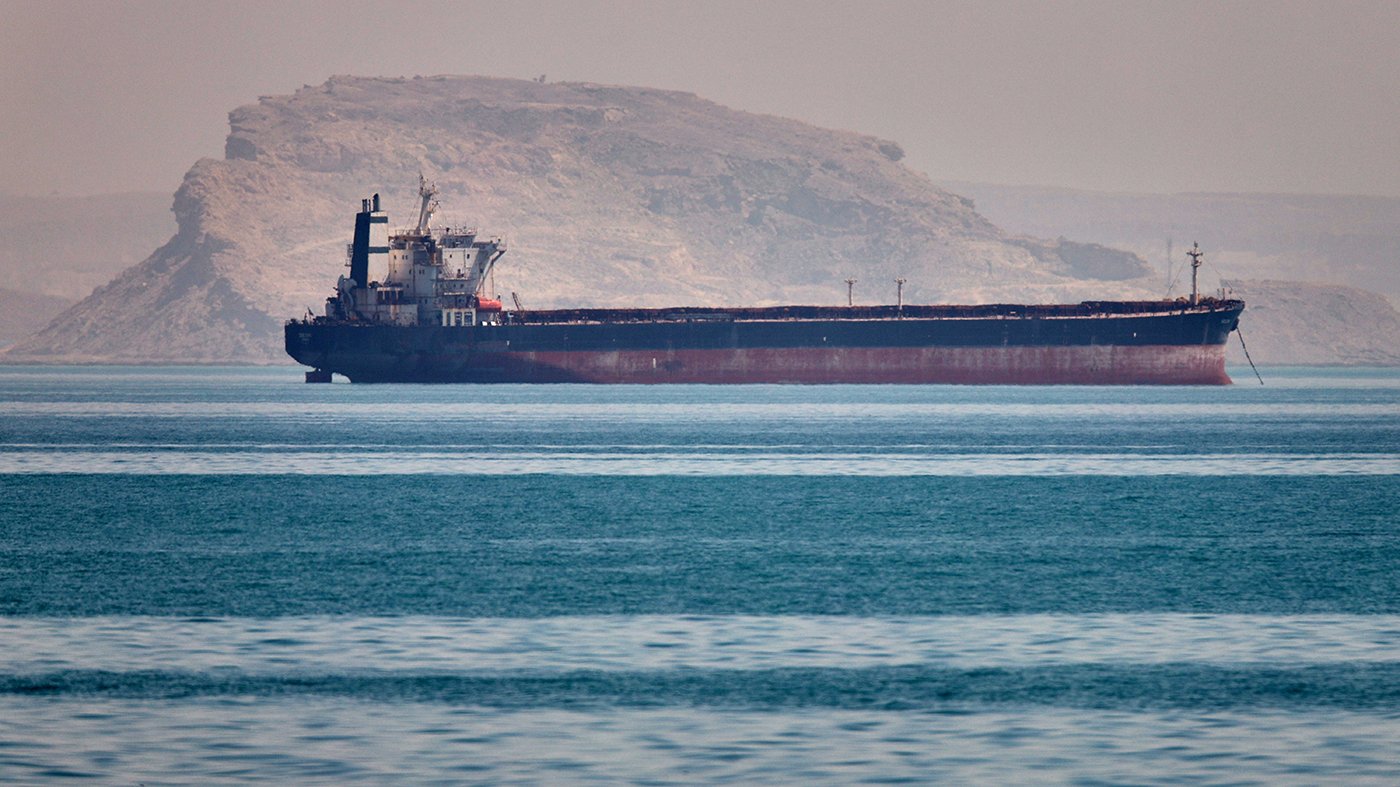
President Trump announced a sudden halt to the U.S. military campaign aimed at ending Iran's control over the Strait of Hormuz on Tuesday evening, just before reports surfaced that Washington and Tehran are nearing the outline of a potential agreement to end the conflict. The move marks a significant tactical shift, though Trump reiterated his willingness to resume and intensify airstrikes if negotiations fail.
The development comes as economic strain and political pressure mount on both sides. According to Axios, a one-page memorandum of understanding between the two nations would establish a 30-day window to negotiate a more comprehensive deal. That deal would aim to reopen the Strait of Hormuz, curb Iran's nuclear program, and lift U.S. sanctions. During that period, both sides would ease their respective blockades on shipping through the critical waterway.
In a social media post Wednesday morning, Trump wrote, "Assuming Iran agrees to give what has been agreed to, which is, perhaps, a big assumption, the already legendary Epic Fury will be at an end, and the highly effective Blockade will allow the Hormuz Strait to be OPEN TO ALL, including Iran." He added, "If they don't agree, the bombing starts, and it will be, sadly, at a much higher level and intensity than it was before."
Hein Goemans, a political science professor at the University of Rochester who specializes in war termination, expressed skepticism about the prospects for a lasting peace. He noted that even if Iran commits to reopening the strait, its military retains the ability to shut it down again, posing a persistent threat to global energy markets. "They can say whatever they want about the Strait of Hormuz, but that ship has sailed. It is, surprisingly, a diplomatic victory for Iran — a military victory for the United States, but a diplomatic victory for Iran," Goemans said.
On nuclear negotiations, the one-page memo leaves crucial details unresolved. "At minimum, the Iranians are thinking no deal with America is credible. America can change its mind overnight and then start bombing us even in the middle of talking. So any Iranian leader will know that. So they will hedge on some form," Goemans added. The nuclear framework, according to officials who spoke to Axios, closely resembles the Obama-era deal that Trump scrapped during his first term, including a 10-15 year moratorium on uranium enrichment.
Trump is likely to face significant pushback from Israel and Iran hawks within his own party if he drops sanctions or unfreezes Iranian assets without firm commitments on ending enrichment and handing over weapons-grade uranium. "You can't use the same leverage twice. Once you spend it on one account, you can spend it on another one," Goemans warned. Talks could still collapse, as they have several times in recent months. After marathon negotiations in Islamabad last month, Vice President Vance, who led the U.S. team, said significant differences remained, particularly over Iran's nuclear program. A planned follow-up round was postponed indefinitely after Iran refused to participate.
Should negotiations fail again, Trump appears prepared to restart attacks. Axios reported last week that Joint Chiefs Chairman Gen. Dan Caine and U.S. Central Command chief Adm. Brad Cooper briefed Trump on options for a "short and powerful" wave of strikes. However, the apparent progress toward talks prompted Trump to declare Project Freedom — the effort to guide stranded vessels out of the Strait of Hormuz — on hold. The president cited requests from Pakistan and other nations, as well as "tremendous Military Success" and progress toward a final agreement.
Both sides face intense economic pressure to strike a deal. U.S. gas prices averaged $4.53 on Wednesday, up from $3.15 a year ago, according to AAA. Airlines face jet fuel shortages, and farmers brace for fertilizer disruptions. Iran, despite insisting it can outlast the U.S., suffers soaring inflation and poverty exacerbated by the blockade on its energy exports. China has quietly pushed for an end to hostilities; during a meeting in Beijing on Wednesday, Chinese Foreign Minister Wang Yi told his Iranian counterpart that ending the war is an urgent matter.
For more on the political dynamics, see Trump and Melania Host Military Moms at White House Amid Iran Deal Talks. On the legal constraints, read Why the War Powers Clock Doesn't Bind Trump's Iran Actions. For criticism of the policy shift, check Reed Slams Trump's Iran Mission Pause as 'Strategic Incoherence'.