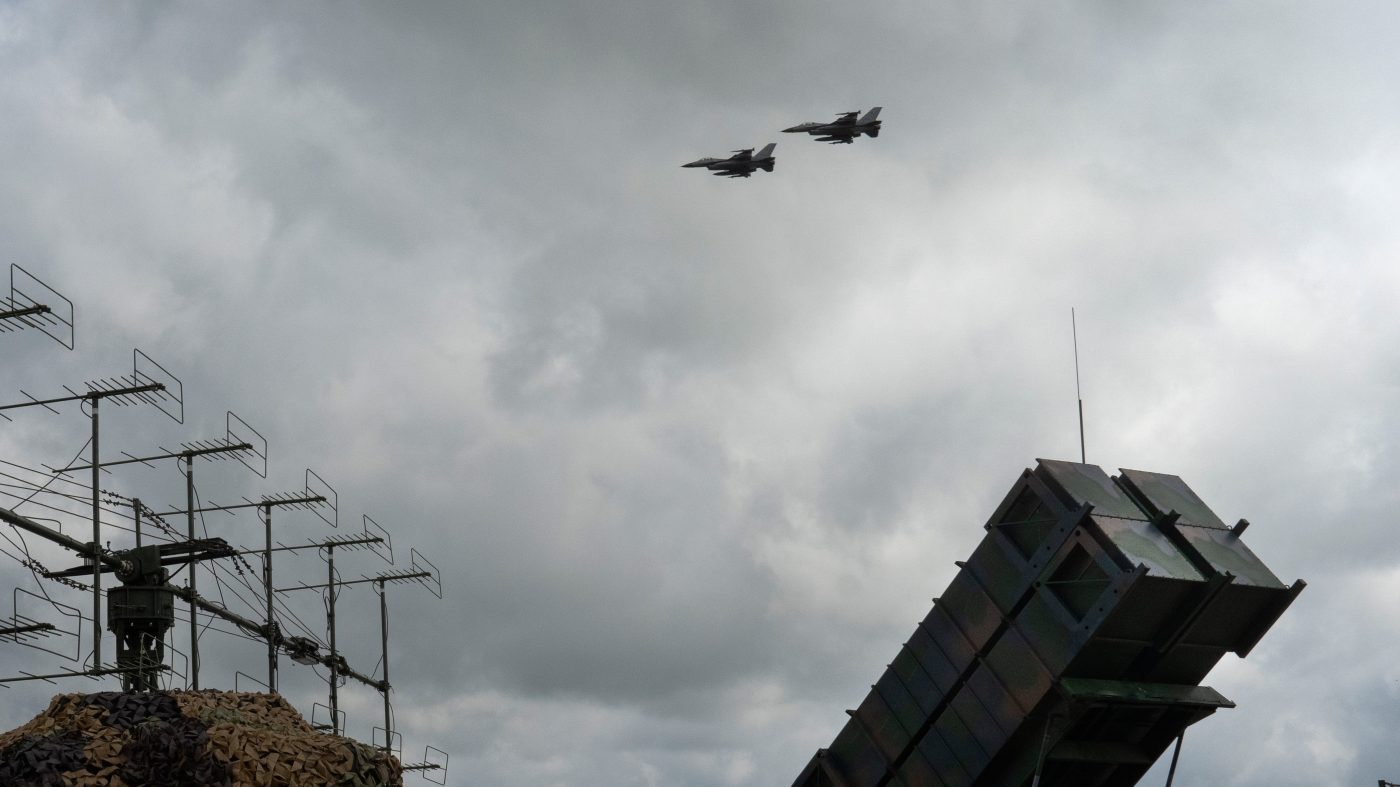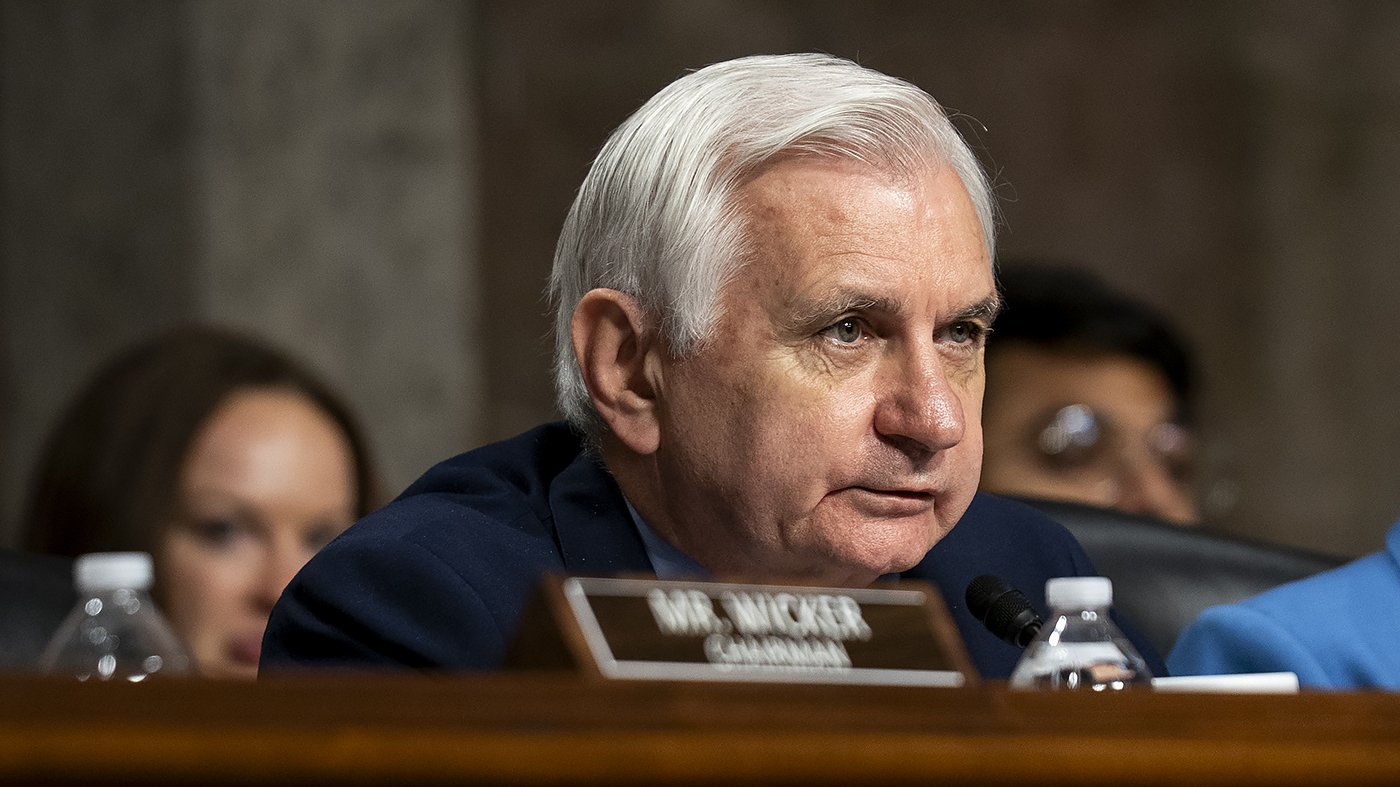
Sen. Jack Reed (D-R.I.) on Tuesday sharply criticized President Trump's decision to pause Project Freedom, the U.S. military's mission to escort ships through the Strait of Hormuz, labeling it another instance of the administration's "strategic incoherence."
"This is another example of the strategic incoherence that has dominated this whole operation. The president did not get the authority to conduct this war," Reed, the ranking Democrat on the Senate Armed Services Committee, told CNN's AC360.
Reed argued that Trump entered the conflict with vague objectives, including attempts to eliminate Iran's enriched uranium and push for regime change. He emphasized that the War Powers Act is explicit: after 60 days of hostilities—a deadline reached last week—the president must seek congressional approval or end military engagement.
Trump announced Tuesday evening that Project Freedom would be halted at the request of Pakistan, a key mediator in U.S.-Iran peace talks, and other nations. However, he insisted the U.S. naval blockade of the Strait of Hormuz would continue.
Reed dismissed the pause as a strategic misstep. "You can't take a timeout like in football," he told guest host John Berman. "It's clear that within 60 days of beginning hostilities the President of the United States must either cease hostilities or get the permission of Congress. You can't take a timeout like in football and say 'oh timeout.'"
The Rhode Island Democrat accused the administration of shirking its legal duties. "That's the legislation and the President frankly should have come to us before he even started the hostilities and asked for authority. No, they're just voiding their legal and constitutional responsibilities."
The Trump administration has defended Project Freedom as a defensive measure separate from Operation Epic Fury, which the president and allies declared ended with a temporary ceasefire. Officials have also challenged the War Powers Act, calling the 60-day trigger unconstitutional.
Secretary of State Marco Rubio told reporters on Tuesday that Project Freedom is "not an offensive operation. This is a defensive operation. And what that means is very simple, there's no shooting unless we're shot at first."
As tensions persist, sources indicate the U.S. and Iran are nearing a one-page memorandum to end the more than two-month conflict. The framework would lay groundwork for future negotiations on Tehran's nuclear program, though Iran has not publicly committed.
In a Wednesday Truth Social post, Trump warned: "Assuming Iran agrees to give what has been agreed to, which is, perhaps, a big assumption, the already legendary Epic Fury will be at an end, and the highly effective Blockade will allow the Hormuz Strait to be OPEN TO ALL, including Iran. If they don't agree, the bombing starts, and it will be, sadly, at a much higher level and intensity than it was before."
The situation underscores the ongoing debate over presidential war powers. For more on why the War Powers Act may not constrain Trump's actions, see this analysis. Meanwhile, the possibility of escalated strikes looms if peace talks falter, as detailed in Trump's latest ultimatum. As the conflict drifts toward stalemate, the administration's exit strategy remains uncertain, a dynamic explored in this report.