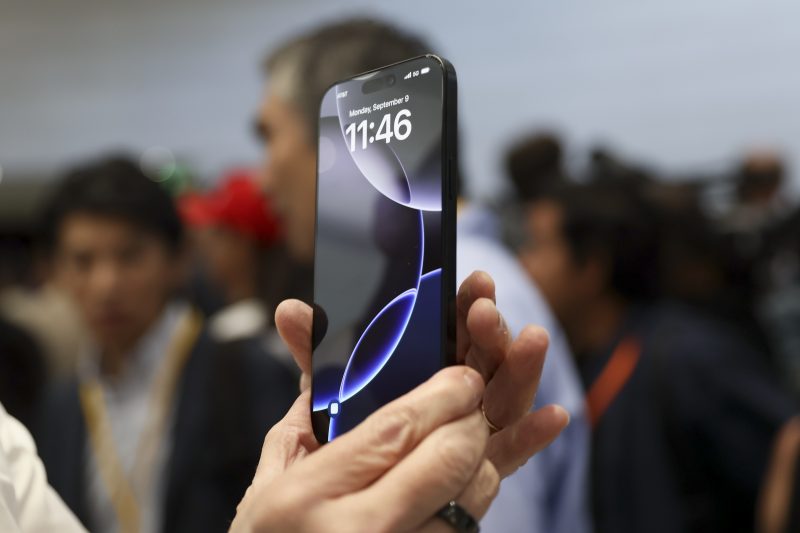
Apple has agreed to pay $250 million to resolve a class-action lawsuit accusing the tech giant of misleading consumers by promoting artificial intelligence capabilities for its Siri assistant that were not yet functional. The settlement, filed Tuesday in San Francisco federal court, could deliver payments of $25 to $95 to millions of iPhone owners in the United States.
The lawsuit centered on claims that Apple advertised new AI-powered features for Siri as part of its “Apple Intelligence” suite when it announced the iPhone 16 in 2024. But those features were not operational when the phones hit the market that fall, prompting allegations of deceptive marketing. The company later delayed the rollout, and Apple executives recently confirmed the updated Siri capabilities are slated for unveiling at its annual developer conference next month.

In a statement, Apple said it “reached a settlement to resolve claims related to the availability of two additional features,” adding that it resolved the matter “to stay focused on doing what we do best, delivering the most innovative products and services to our users.” The deal, if approved by a judge, would rank among the largest settlements the company has ever paid.
Eligible devices include all iPhone 16 models, the iPhone 15 Pro, and the iPhone 15 Pro Max—roughly 37 million units in total. Consumers who purchased these phones in the United States between June 10, 2024, and March 29, 2025, may qualify for a payout. According to court filings, class members will be notified by mail or email and can file claims through a dedicated settlement website. Payments will be distributed via Venmo, PayPal, or check.
The settlement comes as Apple deepens its reliance on third-party AI models. In January, the company announced it would integrate Google’s Gemini AI to power certain “Apple Intelligence” features, following a similar arrangement with OpenAI’s ChatGPT that began in June 2024. “After careful evaluation, Apple determined that Google’s AI technology provides the most capable foundation for Apple Foundation Models,” the two companies said in a joint statement at the time.
The lawsuit is the latest legal headache for Apple over its AI marketing. The company has also faced scrutiny in other arenas, including its ongoing legal battle with Epic Games, which recently prompted Apple to seek Supreme Court intervention to halt a contempt ruling. Meanwhile, the tech sector continues to grapple with AI regulation, as seen in Meta’s use of AI to detect underage users on its platforms.
If the settlement receives final approval, eligible iPhone owners could begin receiving payments later this year. The case underscores growing tensions between consumer expectations and the pace of AI deployment, as companies race to market features that often remain in development.