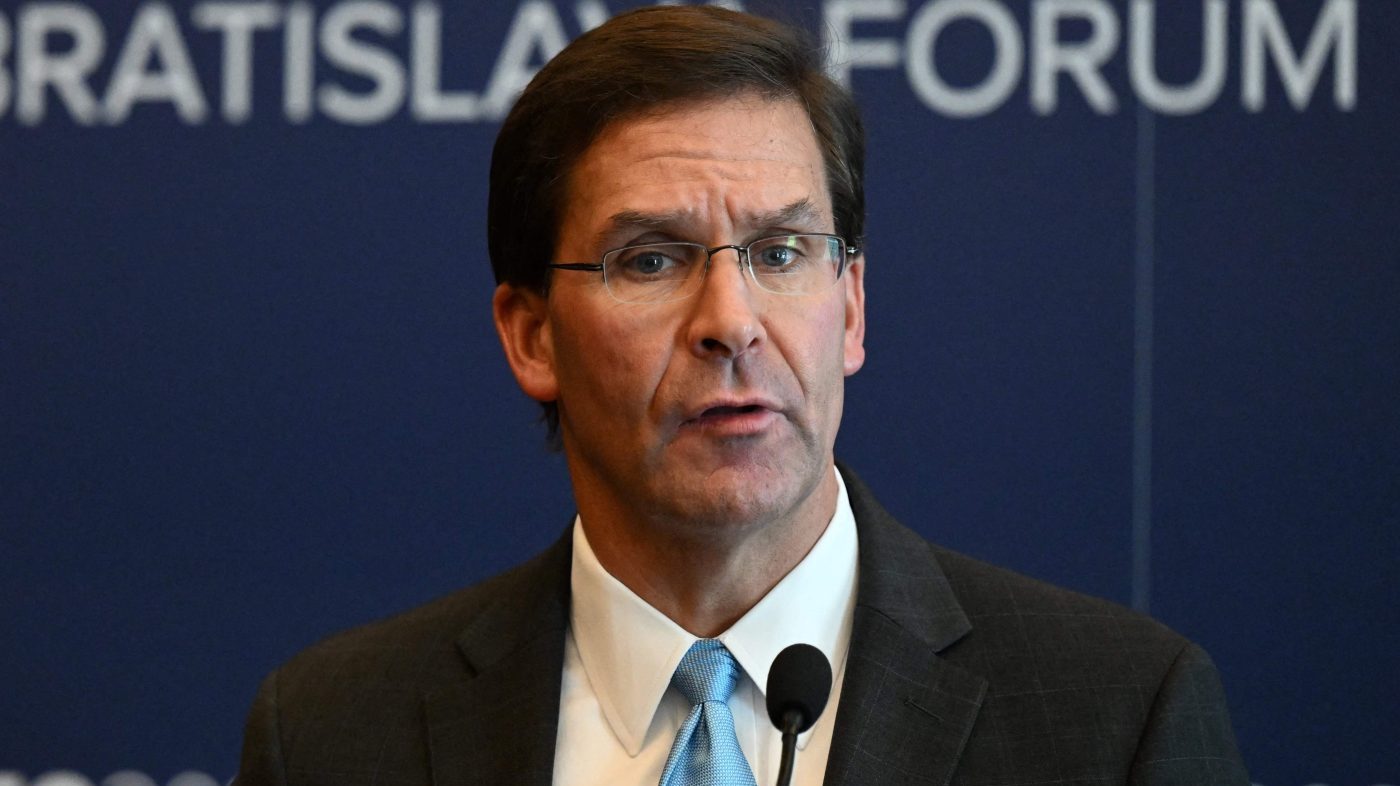
Former Defense Secretary Mark Esper predicted Tuesday that renewed U.S. military action against Iran is more likely than not, as skirmishes persist in the strategic waterway despite the end of a recent American operation.
“I think it’s more probable than not,” Esper told host Blake Burman on “The Hill,” when asked whether the U.S. will launch additional strikes. He added that “it could be anything happens,” suggesting President Trump could grow impatient and order a strike to rattle Tehran, or that Iran could cross a red line with its attacks.
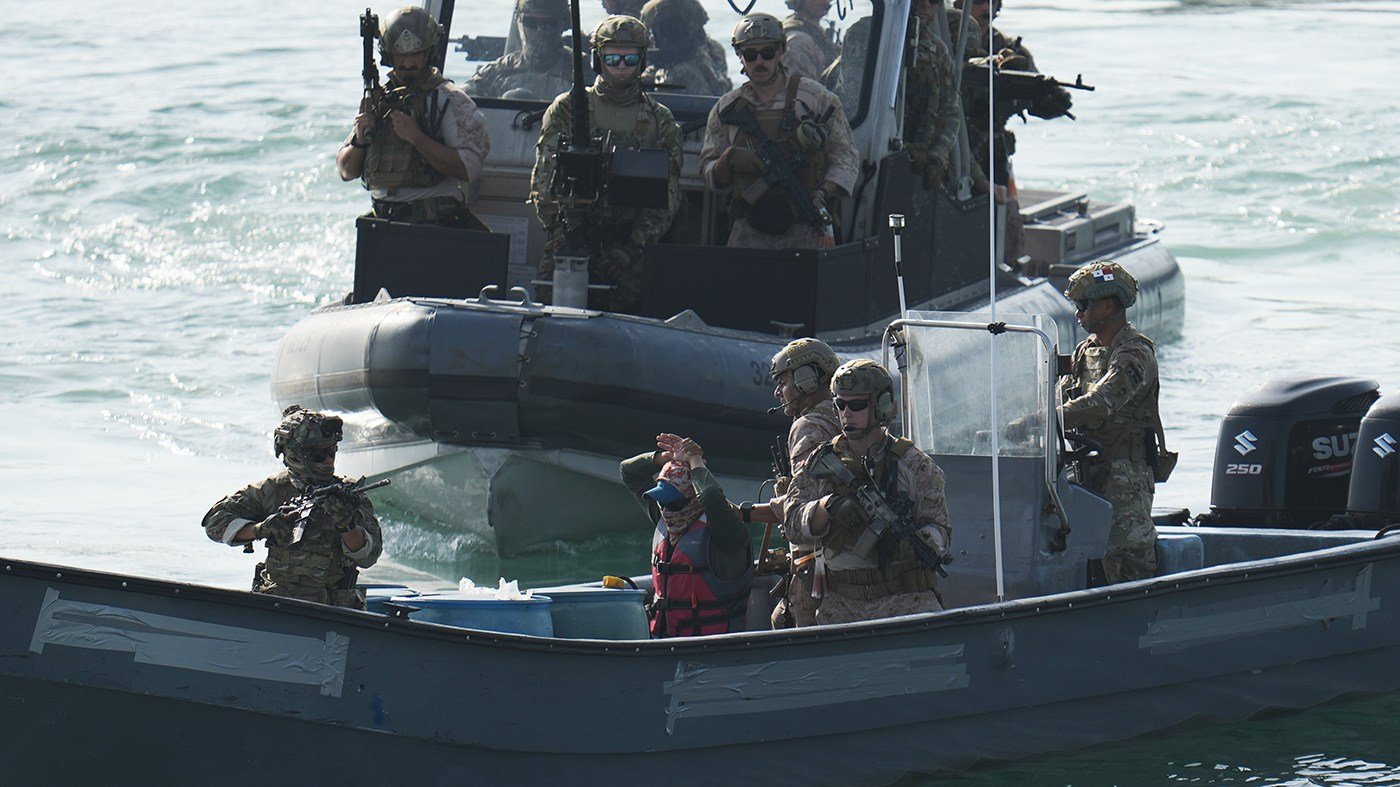
Esper’s comments came hours after Secretary of State Marco Rubio declared that Operation Epic Fury — the initial U.S. campaign against Iranian targets — had concluded. Rubio told reporters at the White House that the mission had shifted to a new phase called Project Freedom, focused on escorting commercial ships through the Strait of Hormuz.
That transition was anything but smooth. On Monday, Iranian forces opened fire on U.S. warships in the region, prompting the American military to destroy six Iranian small boats, according to U.S. Central Command chief Adm. Brad Cooper.
Gen. Dan Caine, chairman of the Joint Chiefs of Staff, told reporters Tuesday morning that since the April 7 ceasefire, Iranian forces have attacked commercial vessels nine times, seized two container ships, and struck U.S. forces more than ten times.
Esper, who ran the Pentagon during Trump’s first term, noted that it was “not unusual” for the administration to rebrand its military campaign. He compared the shift to the transition from Desert Shield to Desert Storm during the 1990-1991 Gulf War. “These things happen,” he said. “He’s clearly also added that we’re in a more defensive posture right now.”
But the former defense chief cautioned that neither side wants a full-blown war, yet neither is willing to back down. That dynamic, he argued, means the standoff in the Strait of Hormuz “will go on like this for a while.”
The escalating violence has renewed debate on Capitol Hill about the scope of presidential war powers. Why the War Powers Clock doesn't bind Trump's Iran actions remains a key question for lawmakers, as Democrats push for a sixth War Powers vote to curb the president’s ability to strike Iran without congressional approval.
Meanwhile, Defense Secretary Pete Hegseth and Gen. Caine are set to face a House panel this week to defend a $1.5 trillion defense budget amid the ongoing conflict. Hegseth and Caine face House panel on $1.5T defense budget amid Iran conflict, where costs of the Iran campaign are likely to be a flashpoint.
Esper’s warning underscores the fragility of the current calm. “Maybe the president gets impatient and wants to go after something, wants to kind of shake them up a little bit or force them to concede some,” he said. “Or maybe they step over the line with regard to the attacks they inflict.”