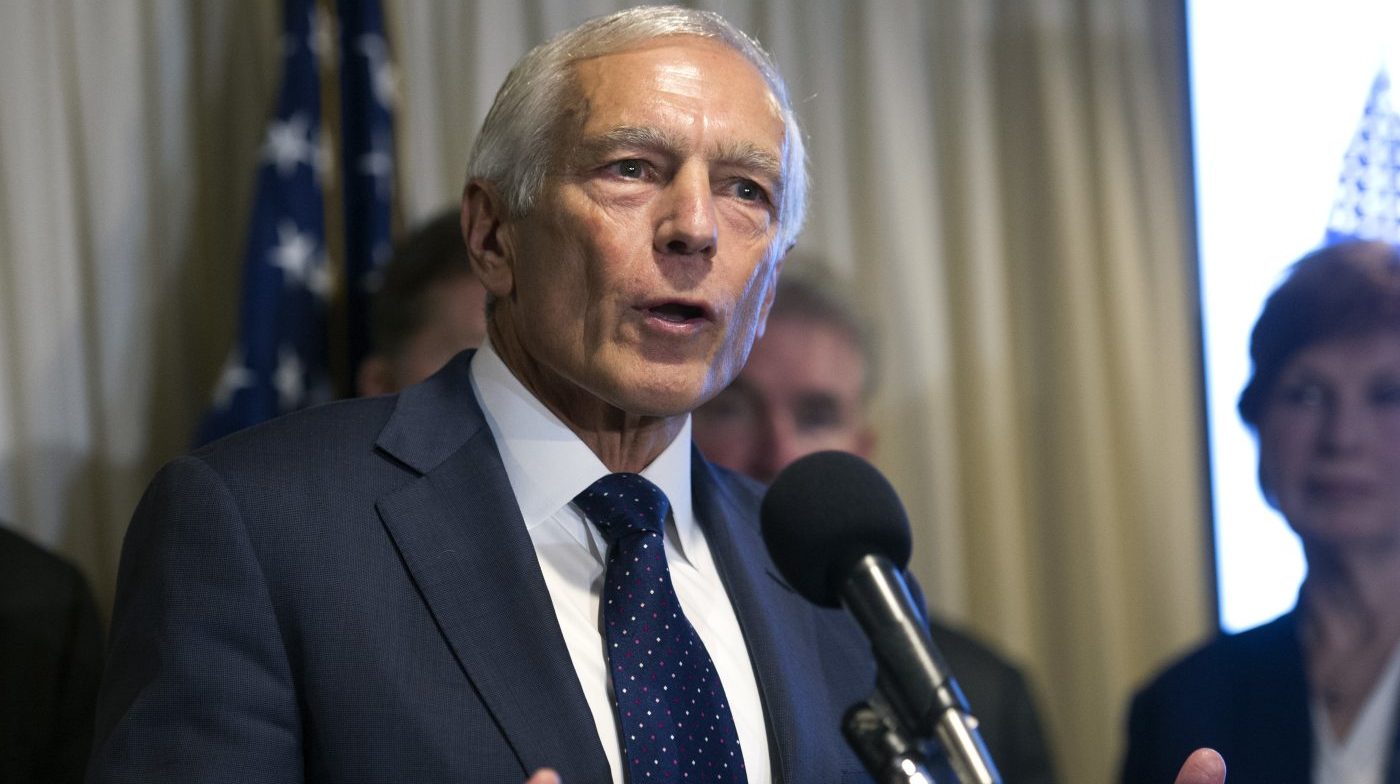
Former NATO Supreme Allied Commander Wesley Clark said Tuesday that the United States and Iran are locked in a high-stakes standoff over the Strait of Hormuz, describing it as a “game of chicken” between two powers trying to avoid a full-blown war while asserting control over the strategic waterway.
In an interview with MS NOW host Ana Cabrera, Clark argued that Washington is attempting to reopen the strait while maneuvering Tehran into a position where it appears as the aggressor. “The point is, you can’t look at this as black or white diplomacy or gunboat fire, this is both simultaneously,” Clark said. “And so, it’s a game of chicken.”
The former commander, who led NATO forces during the Kosovo campaign, suggested the current situation is neither war nor peace. He framed the conflict as fundamentally about restoring freedom of navigation. “We’re not going to accept that Iran owns the strait,” he said. “We’ve already put down our first bargaining position by moving the two destroyers through yesterday and getting a couple of ships through. We’ll see what we do next on this, but it is a combination of force and diplomacy.”
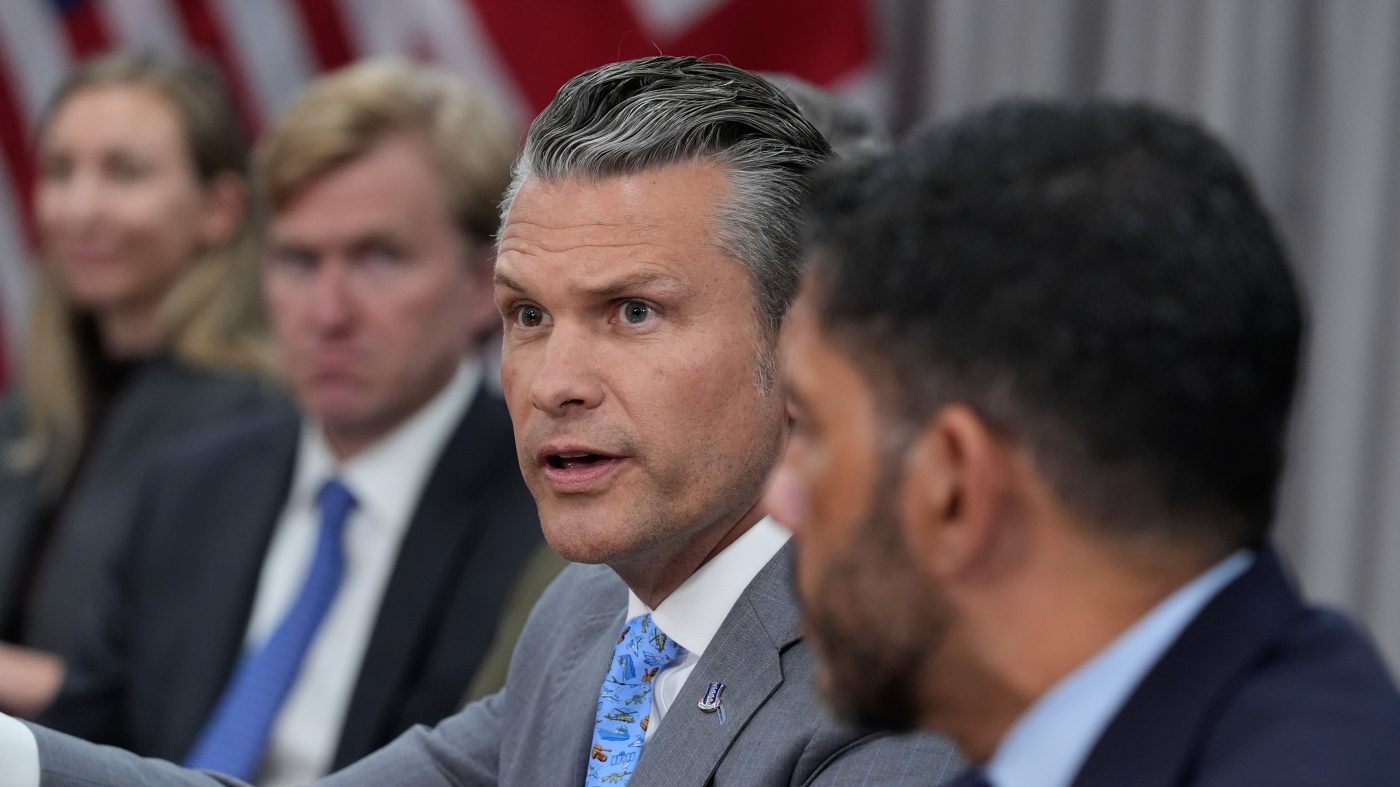
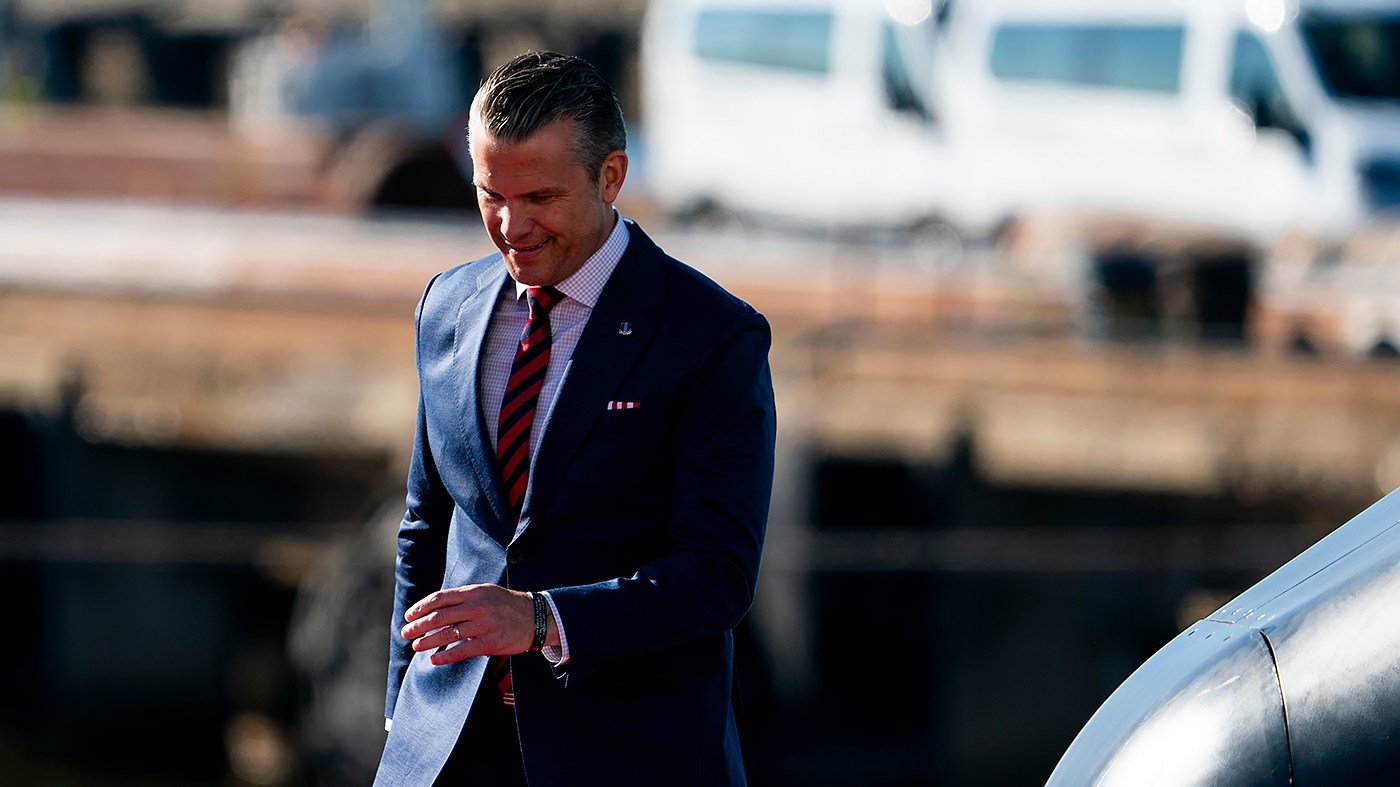
Two American cargo ships transited the Strait of Hormuz on Monday, among the first commercial vessels to do so since Iran effectively closed the waterway. Defense Secretary Pete Hegseth on Tuesday claimed that “hundreds” of ships from multiple nations are preparing to follow under what he called a “red, white and blue dome” over the corridor, part of an initiative dubbed “Project Freedom.”
“Iran’s plan, a form of international extortion, is unacceptable. That ends with Project Freedom,” Hegseth told reporters at the Pentagon. “Two U.S. commercial ships, along with American destroyers, have already safely transited the strait, showing the lane is clear. And right now, hundreds more ships from nations around the world are lining up to transit.”
Hegseth also said the U.S. blockade held six Iranian ships at bay on Monday. That same day, Iranian forces opened fire on U.S. warships and commercial vessels, warning other ships not to test its control of the waterway. Despite the exchange, Hegseth insisted the fragile ceasefire remained in place. Hegseth has repeatedly maintained the truce is intact even as clashes continue.
Retired four-star Army General Jack Keane, reacting to Monday’s shots fired, said the continuation of hostilities was “inevitable.” “The priority for us will continue to be opening up the Strait of Hormuz,” Keane said on Fox Business. “We likely can do some selective targeting of some very critical targets as Iran continues to violate the ceasefire.”
The reopening of the strait has become a key U.S. condition for ending the conflict. The closure has halted roughly 20 percent of the world’s oil and gas transit, driving up global prices. Secretary of State Marco Rubio is pushing a UN resolution to address the crisis diplomatically.
But not all shipping companies are convinced the route is safe. German firm Hapag-Lloyd AG said Tuesday that transit for its cargo ships was “not possible” and that its “risk assessment remains unchanged.”