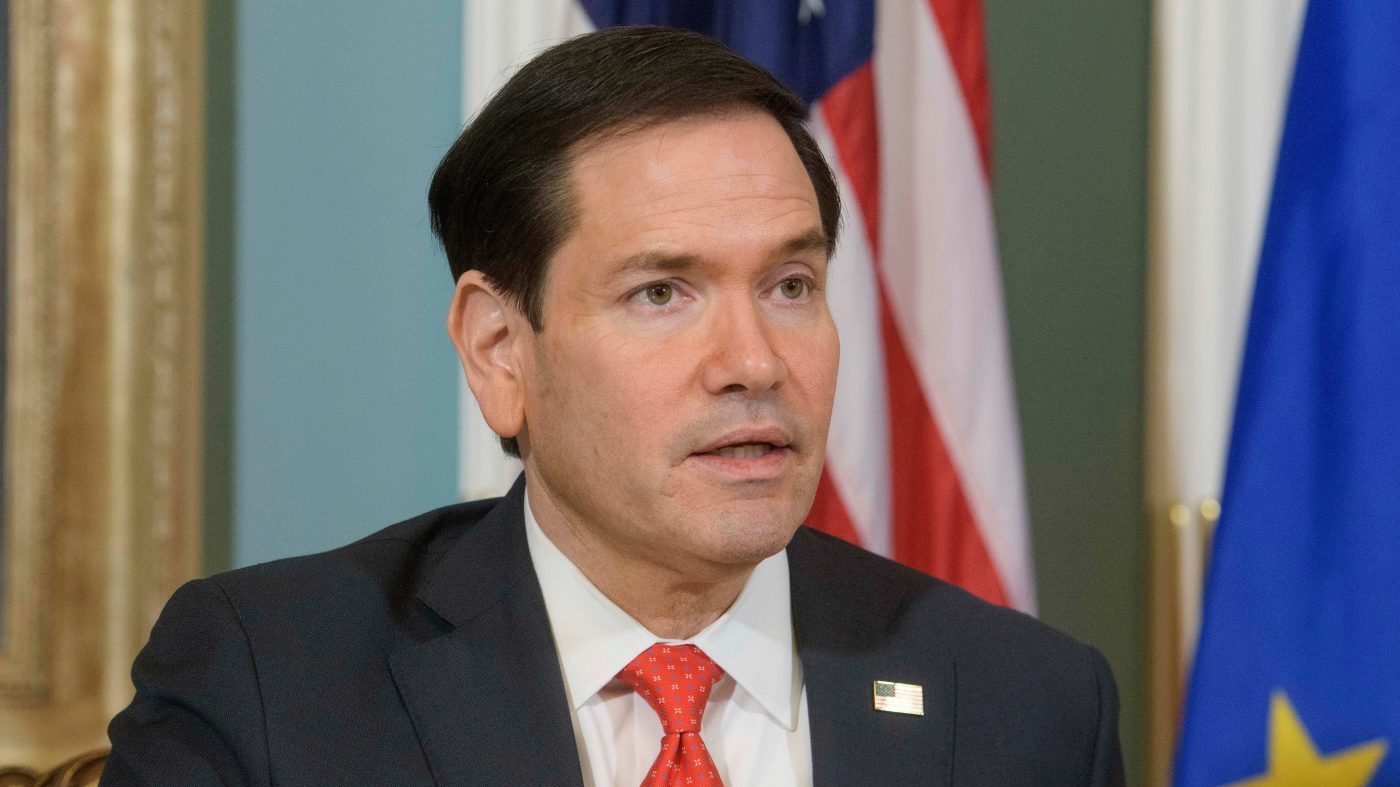
Secretary of State Marco Rubio is set to address the press from the White House on Tuesday, as the situation in the Strait of Hormuz grows more volatile. The briefing comes just one day after U.S. and Iranian forces engaged in direct hostilities, marking a significant escalation in the region.
The skirmish erupted after the Trump administration launched "Project Freedom", an initiative aimed at guiding commercial vessels through the strategically vital oil shipping channel. Iran has repeatedly shut down the strait amid the broader conflict, and the latest U.S. move drew an immediate military response.
Defense Secretary Pete Hegseth, however, struck a cautious tone early Tuesday, asserting that the fragile truce in the region remains intact. "The ceasefire is holding," Hegseth said, even as Tehran accused Washington of violating the temporary agreement. The administration has sought to portray its actions as defensive, but the exchange of fire has raised fears of a wider confrontation.
President Donald Trump's approval ratings have taken a hit amid the ongoing conflict, with rising energy and gas costs weighing heavily on the economy. Gas prices have surged 34 cents as the Navy escorts ships through the strait under fire, adding to the political pressure on the White House.
Rubio's appearance is his first stand-in for press secretary Karoline Leavitt, and he is expected to field tough questions on the administration's strategy in the Gulf. The briefing is seen as a key test of the administration's ability to manage both the diplomatic and military dimensions of the crisis.
Meanwhile, internal GOP divisions are becoming more apparent. Senator Lisa Murkowski has led a push for a formal war vote on Iran, highlighting a rift within the party over the scope of executive authority in military engagements. The push underscores growing unease among some Republicans about the trajectory of U.S. policy in the region.
The briefing is scheduled to begin at 3 p.m. EDT, and will be carried live. Rubio is expected to outline the administration's next steps and address the escalating tensions that threaten to disrupt global oil supplies.