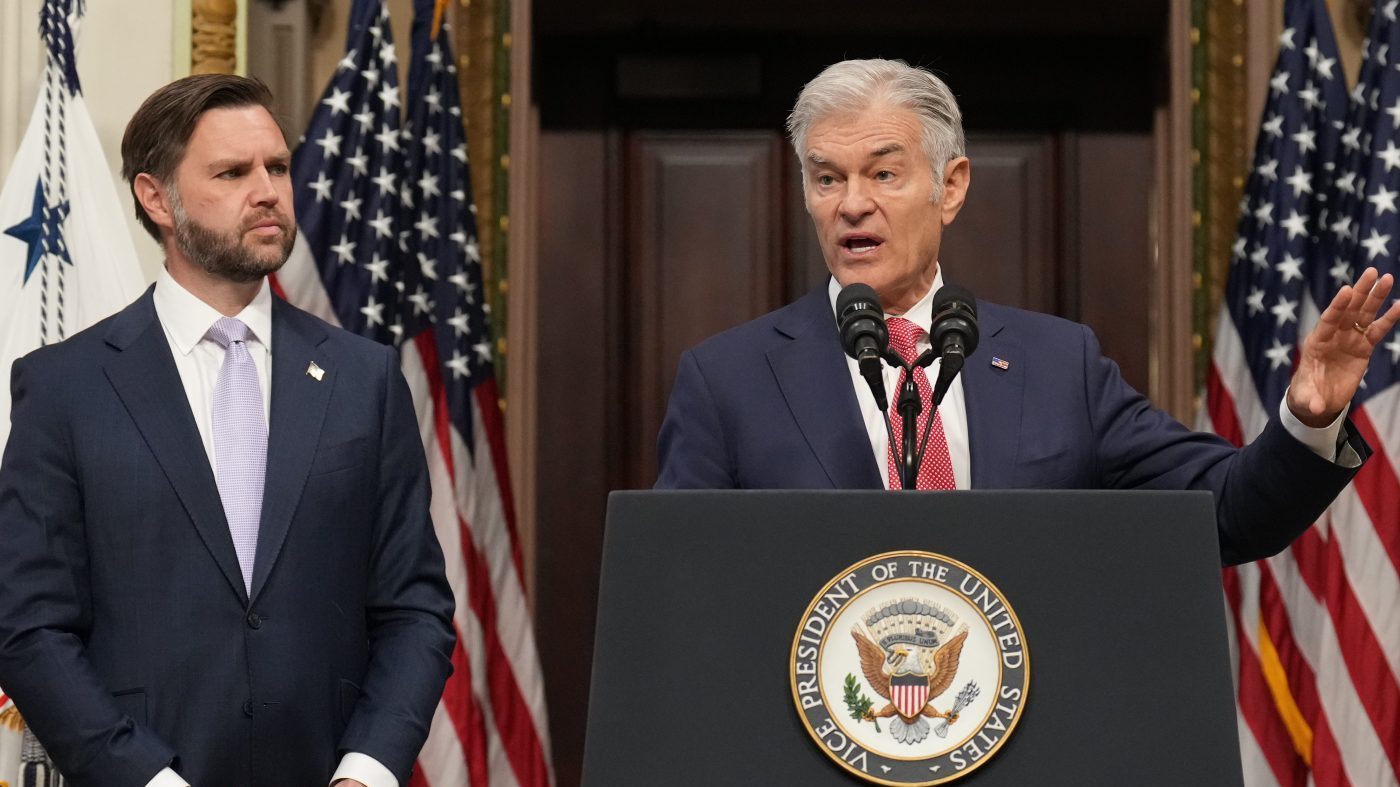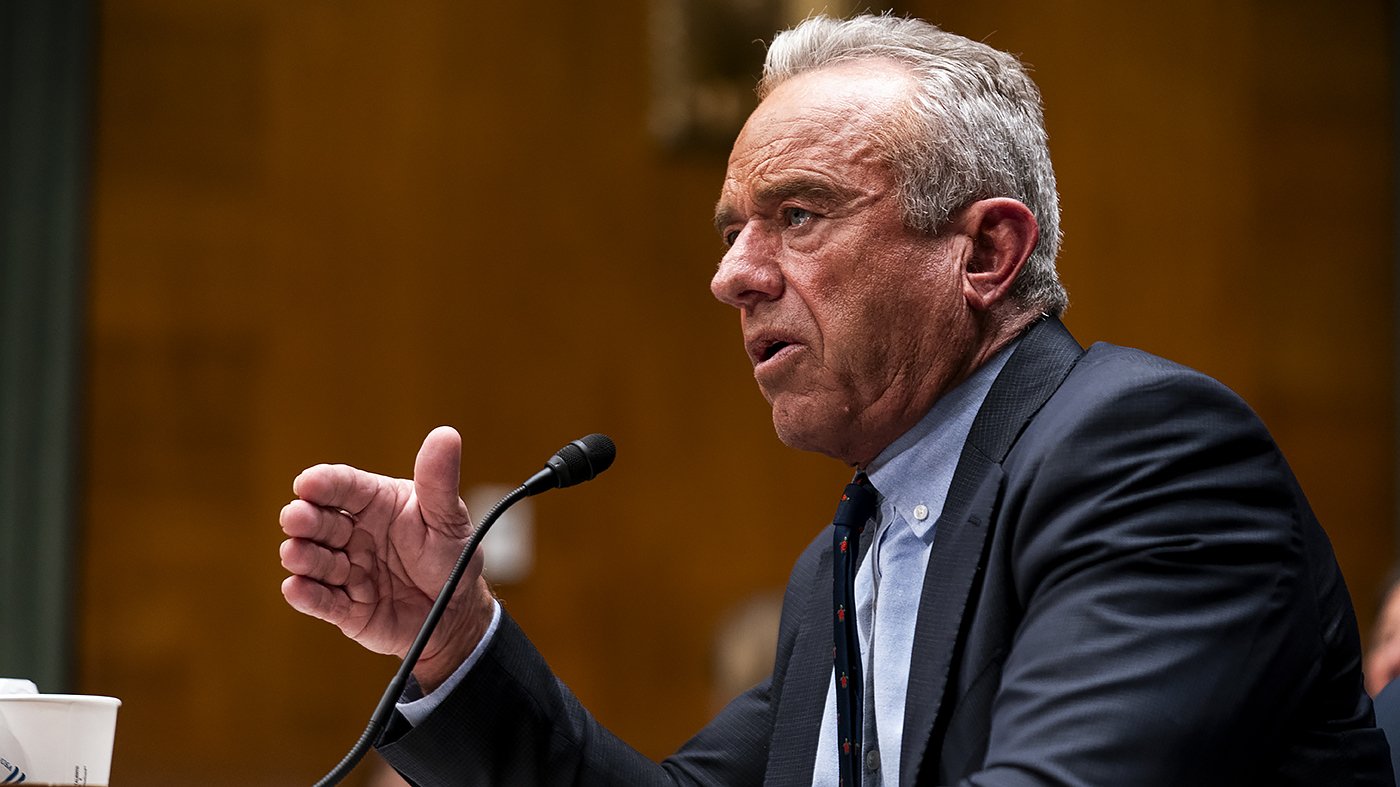
Health and Human Services Secretary Robert F. Kennedy Jr. on Monday announced a new federal initiative to reduce reliance on psychiatric medications, particularly among children, during a summit hosted by the Make America Healthy Again Institute. The move reignites a contentious debate over mental health treatment and the role of pharmaceuticals.
Speaking at the event, Kennedy framed the effort as a necessary correction to what he described as an overmedicated society. “Today, we take clear and decisive action to confront our nation’s mental health crisis by addressing the overuse of psychiatric medications — especially among children,” he said. The initiative emphasizes patient autonomy, informed consent, and a shift toward prevention and holistic care.

As part of the plan, the Substance Abuse and Mental Health Services Administration will compile a report on prescribing trends. In a “Dear Colleague” letter sent Monday, top HHS officials stressed that psychiatric medications “should not be understood as the only treatment option.”
Kennedy’s history of inflammatory remarks about psychiatric drugs has drawn scrutiny. He has previously suggested that Selective Serotonin Reuptake Inhibitors, a common class of antidepressants, could be linked to school shootings and has claimed they are more addictive than heroin, despite scientific evidence contradicting that assertion. Kennedy himself is a recovering heroin addict.
The American Psychiatric Association, representing over 40,000 mental health professionals, responded cautiously. In a statement, the group voiced support for increased research and clinician training on prescribing and deprescribing, but pushed back against the administration’s framing. “We strongly object to framing the nation’s mental health crisis as primarily a problem of ‘overmedicalization’ or ‘overprescribing,’” the APA said. “Deprescribing alone is not a sufficient response to this crisis.”
According to CDC data, 16.5% of U.S. adults were taking psychiatric medications in 2020. The initiative arrives amid broader political battles over healthcare access, including a recent appeals court ruling that blocked telehealth prescriptions for abortion pills, a decision Democrats have vowed to fight.
Critics argue Kennedy’s approach risks stigmatizing necessary treatment, while supporters see it as a long-overdue check on pharmaceutical influence. The HHS’s next steps will be closely watched as the agency balances patient safety with political pressure.