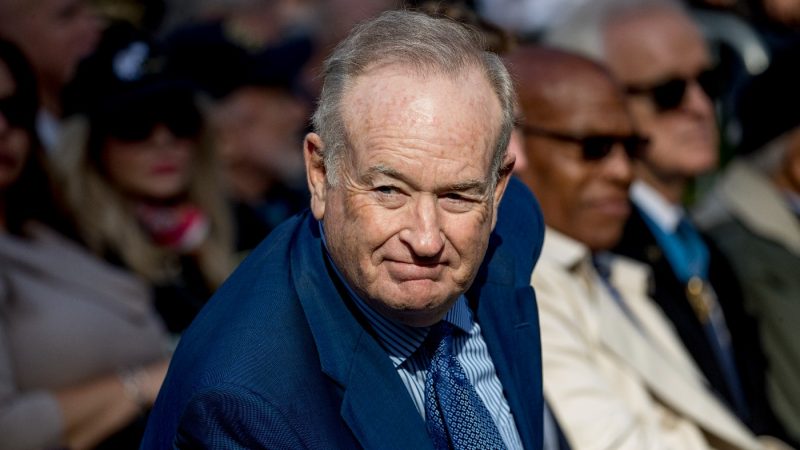
Political commentator Bill O'Reilly argued Monday that President Trump is trapped in a strategic dilemma over Iran: resuming military conflict risks deepening economic pain and eroding his political standing, but failing to secure a deal that curbs Tehran's nuclear program would be seen as a dangerous retreat.
In an appearance on NewsNation's On Balance, O'Reilly told host Leland Vittert that Trump's position is untenable. “Well, it's both,” O'Reilly said, referring to the president's inability to either restart the war or walk away. “Because if there's an opportunity to nail this thing down so that the mullahs allow weapons inspectors in to examine the uranium and ballistic missiles, which is what has to be in any treaty, the other things will fall into place.”
O'Reilly acknowledged that reaching such an accord is “exceedingly difficult,” as Trump administration officials insist any peace deal must include verifiable limits on Iran's nuclear capabilities. He described the entire enterprise as “the biggest gamble President Trump's ever taken his entire life on anything because it's not like Venezuela. It's not like other countries.”
The former Fox News host added that Iran's leadership appears willing to accept massive casualties. “They don't care whether they live or die, or their people live or die; however, they don't really have a lot of resources left, the Iranians.” He warned it is too early to “call it,” saying the president is waiting to see if Tehran will “go down with the ship” or “give the world a break.”
The U.S. and Iran have been conducting indirect talks through Pakistani intermediaries for weeks, aiming for a longer-term ceasefire. But those negotiations have stalled over the future of Iran's nuclear program. Meanwhile, tensions in the Strait of Hormuz have escalated sharply. On Monday, the two countries exchanged fire as they vied for control of the critical oil shipping lane. U.S. military assets are helping “guide” commercial vessels through the waterway under “Project Freedom,” which Iranian officials claim violates the ceasefire.
Iranian state media reported that two missiles struck a U.S. naval ship, a claim U.S. Central Command denied. Admiral Brad Cooper told reporters that American forces destroyed six small Iranian boats after Iranian forces opened fire on U.S. warships and commercial vessels. The standoff has roiled global markets since the conflict began in late February, sending oil and gas prices surging.
The economic squeeze is becoming a political liability for Republicans ahead of the midterms. An Associated Press-NORC Research Center survey released last week showed Trump's approval rating on the economy at just 30 percent—a 9-point drop since before the war started in February. The president defended his record while speaking to seniors at The Villages in Florida, predicting energy prices would come “tumbling down” once ships carrying oil can safely transit the strait.
O'Reilly said voter sentiment on the economy is split. “Fifty percent of the country, according to polling, if good news is delivered, will accept the good news, and overall, they understand why the conflict is happening,” he said. “The other half hates Trump, or they're Democrats, and they want power in the midterms.” He added that roughly half the country is still listening to the president and his cabinet.
For more on how Trump's sinking approval ratings threaten GOP midterm prospects, read our analysis. The transatlantic rift over Iran policy is also deepening, as Meloni breaks with Trump on energy and domestic politics.