With six months until Election Day, the National Republican Congressional Committee (NRCC) is leaning heavily on its financial edge to defend the party's narrow House majority. In a memo released Tuesday, the GOP campaign arm highlighted its $78.2 million cash on hand after the first quarter—a figure that outpaces the Democratic Congressional Campaign Committee's $69.9 million.
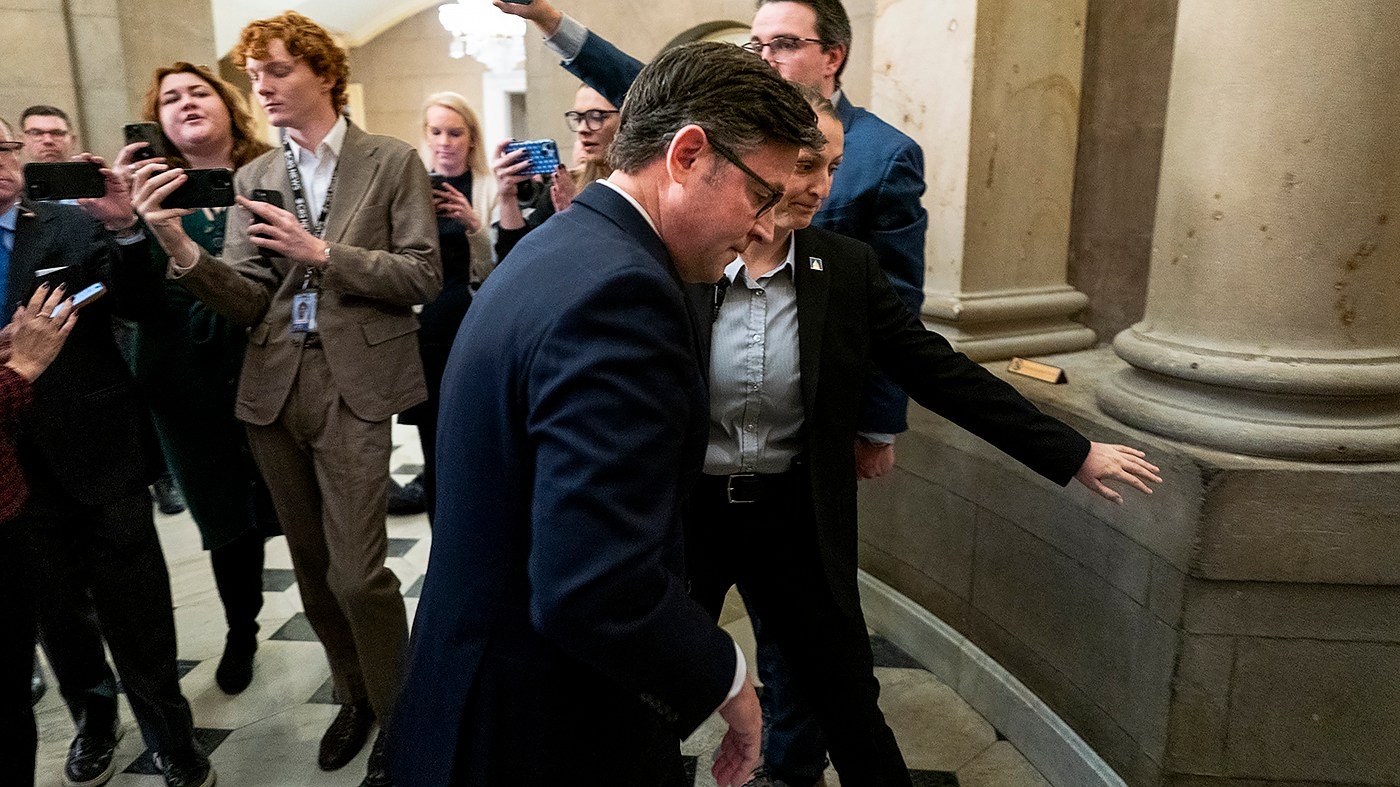
“The fundraising success goes beyond the NRCC, reflecting a fully aligned operation led by President Trump and House Republican leadership as well as outside partners,” the memo states. It points to Trump's MAGA Inc. PAC, which holds $347 million, and the Congressional Leadership Fund, a super PAC tied to House Speaker Mike Johnson, with $91.4 million on hand.
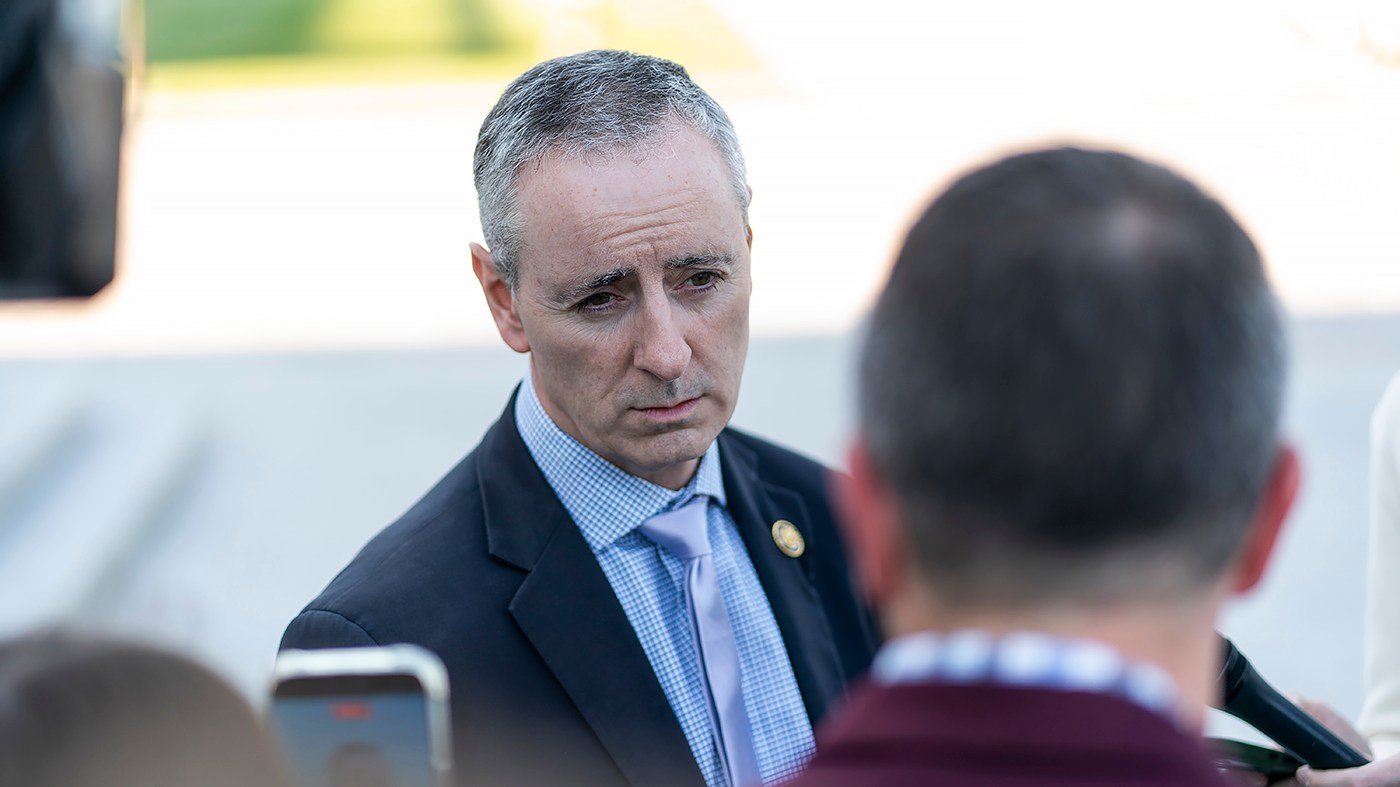
The Republican National Committee (RNC) also ended the first quarter with over $116 million in the bank, according to Federal Election Commission filings. By contrast, the Democratic National Committee reported just $14 million. “Republicans are in a strong financial position with six months until election day,” the memo concludes.
However, the NRCC's confidence comes as President Trump's disapproval rating climbs, a factor some strategists warn could become a liability in the high-stakes midterms. Democrats need to flip just three seats to retake the House and four to win the Senate. The memo attempts to downplay those risks, noting that Trump and his political operation “are scaling up travel into key battleground states and districts, driving turnout among the Trump coalition while expanding outreach to critical swing voters who will decide the majority.”
The GOP's financial advantage extends to the Senate battleground as well. The National Republican Senatorial Committee had roughly $43 million on hand at the end of March, compared to the Democratic Senatorial Campaign Committee's $36 million. Yet, as a Koch-backed group recently warned, cost-of-living concerns could erode GOP gains, putting the Senate majority at risk.
The NRCC's memo also underscores alignment with Trump, despite ongoing legal and political turbulence. The president's recent push to make Social Security benefits tax-free for Florida seniors is part of a broader strategy to shore up support among key demographics. Meanwhile, the Supreme Court's ruling on Louisiana's congressional maps has injected new redistricting chaos into the midterm landscape, a factor both parties are watching closely.
Democrats, for their part, are banking on a message that ties House Republicans to Trump's unpopularity and economic anxiety. House Minority Leader Hakeem Jeffries has sought to balance attacks on Trump with a legislative agenda, hoping to flip the chamber. With the GOP's financial advantage clear, the battle for control of Congress is shaping up to be a test of whether money alone can overcome political headwinds.