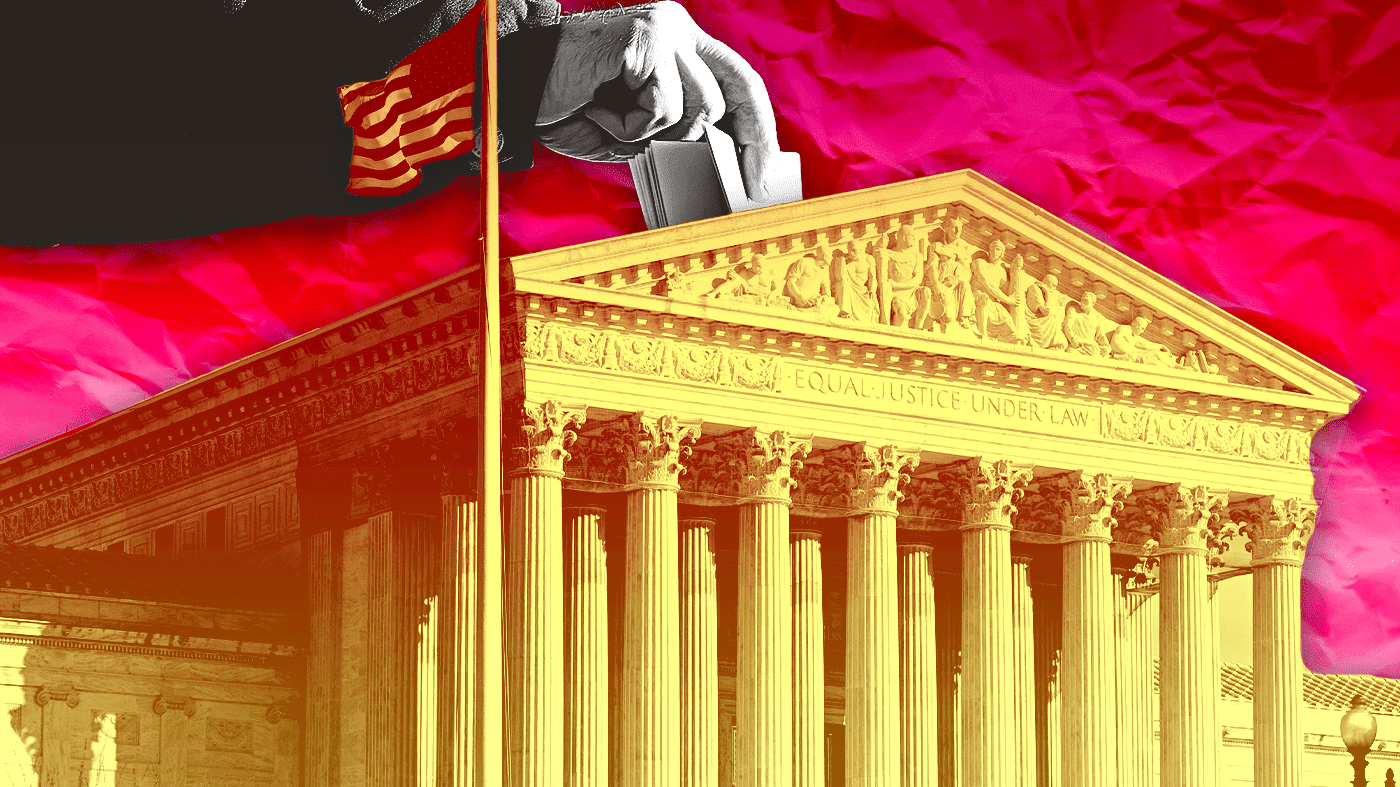
The Supreme Court’s decision to invalidate Louisiana’s congressional maps—and simultaneously weaken the Voting Rights Act—has injected fresh turmoil into an already volatile midterm election cycle. With primaries looming in several states, the ruling is forcing last-minute changes that could reshape the political landscape and further erode public confidence in the electoral process.
Louisiana officials swiftly announced a delay in their congressional primaries, originally scheduled for next month, after the high court ruled the state’s House map constituted an “unconstitutional racial gerrymander.” The decision, handed down Wednesday, marks a significant shift in how race can be considered in redistricting, making it harder for states to create majority-minority districts.
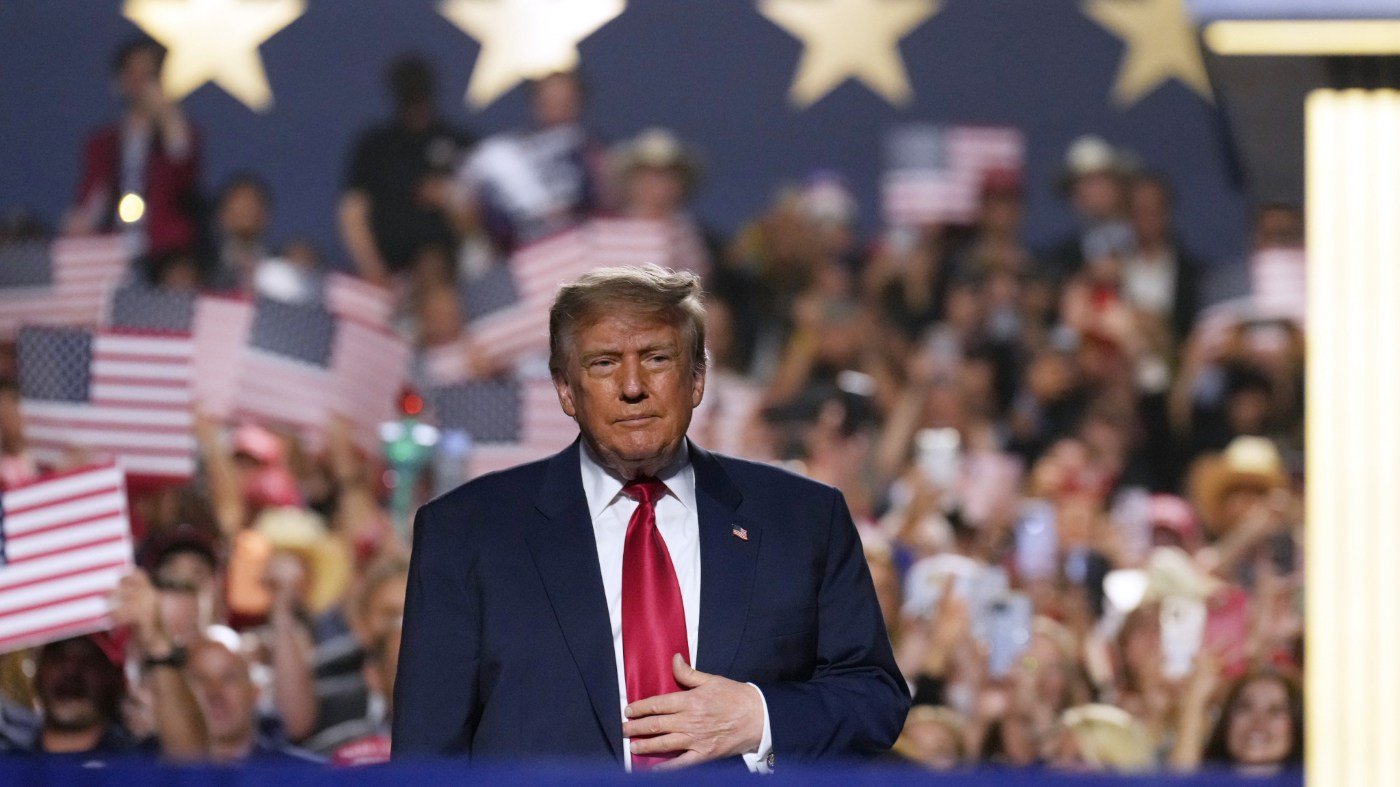
Republicans have seized on the ruling to push for redrawn maps in other GOP-led states. Former President Donald Trump publicly urged Tennessee Governor Bill Lee to address what he called an “unconstitutional flaw” in the state’s congressional map. Lee responded by calling a special legislative session starting Tuesday to review the lines. Tennessee currently holds an 8-1 Republican advantage in its House delegation, with Democrat Steve Cohen representing the Memphis-based district. However, state law prohibits mid-decade redistricting, a hurdle that University of Tennessee’s William Lyons noted would require a two-step process but not necessarily slow the effort.
In Alabama, Governor Kay Ivey has also convened a special session to consider a new congressional primary, while state Attorney General Steve Marshall asked the courts to lift an injunction that had forced the creation of two Black-majority districts. “Alabama deserves the right to use its own maps, just like every other state,” Marshall said, citing the Supreme Court’s ruling.
Not all Southern states are following suit. Georgia Governor Brian Kemp stated that while his state will not redraw its maps before the November elections, it will likely do so ahead of the 2028 cycle. “The Supreme Court’s decision restores fairness to our redistricting process,” Kemp said, “allowing states to pass maps that reflect the will of voters, not federal judges.”
Democrats are also eyeing changes. New York Governor Kathy Hochul announced she is in discussions with the state legislature to reform the Empire State’s redistricting process, signaling that the battle over congressional lines is far from over.
The ruling has amplified concerns about election integrity. Former Maricopa County Recorder Stephen Richer, a Republican, warned that shifting maps and dates so close to an election undermines public trust. “It will also have an impact on just how people view democracy—not deriving from the authority of the voters, but more just one big game to be manipulated,” he said.
This latest legal clash comes amid a broader redistricting war between the parties. Republican-led states like Texas, Missouri, and North Carolina redrew maps earlier this cycle, while Democrats countered with new lines in California and Virginia. Litigation continues in several states over whether new congressional boundaries will be in place for the midterms.
The Supreme Court has previously cautioned against election procedure changes too close to voting day, but offered no guidance in this case. As primaries kick off in Indiana, Ohio, West Virginia, and Nebraska in the coming weeks, the uncertainty could complicate candidate campaigns and voter participation.
For more on the implications of this ruling, see our analysis of how the Supreme Court voting rights decision is igniting redistricting battles amid other global crises. Additionally, a Mississippi Democrat warns of a 'fight ahead' after the ruling, signaling the partisan stakes.