More than 80 percent of pregnancy-related deaths in the United States are considered preventable, and every single one occurs after the mother leaves the hospital. That stark reality is driving a new federal push to expand home visiting programs that provide critical support during the most medically vulnerable weeks following childbirth.
In April, the Health Resources and Services Administration released its National Home Visiting Workforce Strategy, a roadmap designed to build the professional infrastructure needed to reach millions of mothers who currently receive no postpartum support. The initiative reflects a growing bipartisan recognition that improving maternal health requires more than clinical care alone.

Most mothers are discharged within 48 hours of giving birth, often just as the hardest weeks begin. Sleep deprivation, hormonal shifts, and fragmented medical care—where one clinician handles the baby and another the mother—leave families largely on their own. Follow-up visits can be weeks away, and partners face their own adjustment challenges. The result: preventable complications escalate into emergencies.
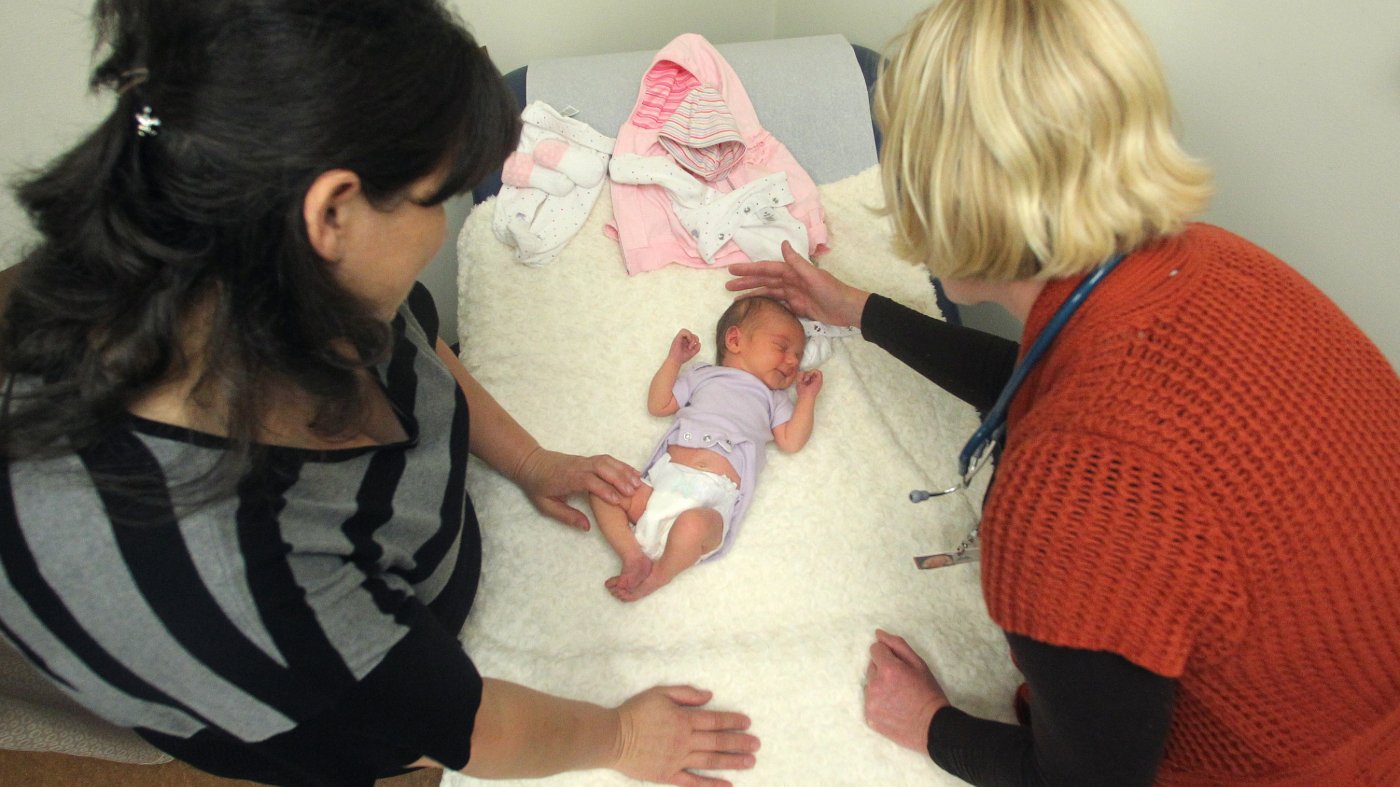
Home visiting programs offer a proven alternative. A trained professional sits at the kitchen table, asking simple questions about sleep, mood, and resources. They screen for postpartum depression, assist with feeding and infant care, and connect families to health and social services before minor issues become crises. Decades of research show these evidence-based programs improve maternal mental health, strengthen parent-child bonds, reduce child maltreatment, and support early childhood development. Cost-benefit analyses estimate returns of $1.80 to more than $5 for every dollar invested.
Despite this track record, millions of American families lack access. Since 2010, the federal Maternal, Infant, and Early Childhood Home Visiting Program has served hundreds of thousands of families annually, but demand far outstrips capacity. The bottleneck is workforce: home visitors earn between $30,000 and $40,000 nationally, leading to chronic recruitment and retention challenges.
“We have an intervention that works,” said Zhandra Levesque, director of maternal and child health at Education Development Center. “The opportunity now is to build the workforce and infrastructure needed to bring this support to far more families.”
Home visiting is voluntary, and many participants later become home visitors themselves, blending lived experience with formal training to build trust and cultural connection. It is not a silver bullet—families also need paid leave, mental health services, stable childcare, and housing—but it is a powerful tool to close gaps before they widen.
The strategy arrives amid broader debates over maternal health policy, including battles over telehealth abortion access and state-level Medicaid expansions. As policymakers weigh options, the evidence is clear: home visiting saves lives and public dollars. The question is whether the political will exists to make it universal.