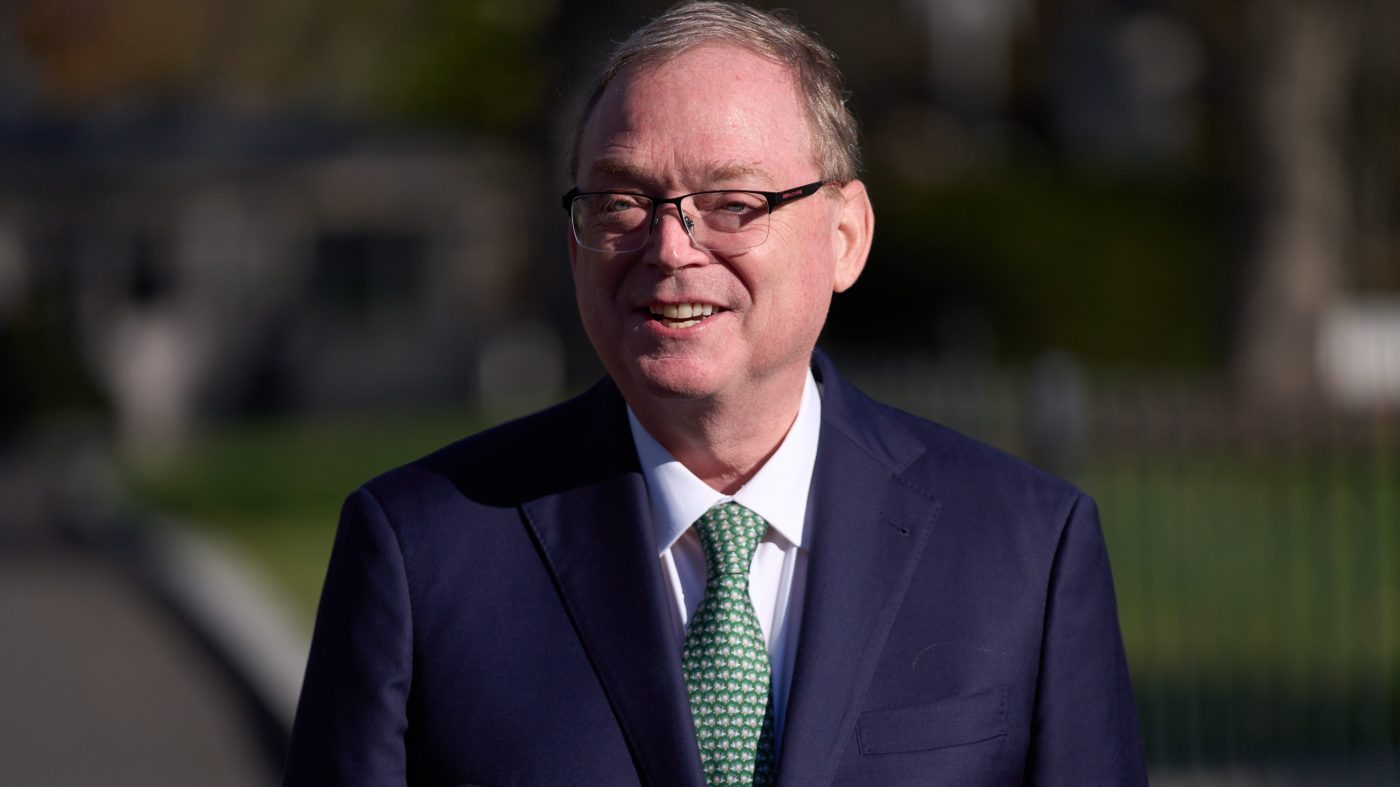
White House National Economic Council Director Kevin Hassett said Sunday that the energy shocks triggered by the U.S.-Iran conflict will weigh on airline profits for at least three months, even as he dismissed the notion that the war drove Spirit Airlines out of business.
“Certainly it’ll affect profits for the airlines for a quarter or so, but they’re very, very healthy right now,” Hassett told CBS’s Margaret Brennan on Face the Nation, speaking after Spirit abruptly ceased operations last week.
The budget carrier, known for its bare-bones fares, blamed the surge in jet fuel costs from the Strait of Hormuz closure for its decision to shut down. The company canceled thousands of flights without notice, stranding passengers who had to scramble for rebooking on their own.
But Hassett argued that Spirit’s troubles predated the conflict. “The other airlines are still operating. I just flew out here to discuss these matters at the Milken conference in LA, you know, on United Airlines, and the other airlines are operating,” he said. “What they’ve done, because they have thought ahead way more than the management of Spirit, is hedge their jet fuel purchases and so on. So that energy, short-term energy shocks don’t have a big effect on their business.”
His remarks echoed those of Transportation Secretary Sean Duffy, who told reporters Saturday that “Spirit was in dire straits long before the war with Iran. Multiple times, they filed for bankruptcy. Their model wasn’t working. The war was not the impetus for Spirit.”
The administration had explored a potential lifeline for the carrier, with Bloomberg reporting that officials weighed a $500 million financing package in exchange for warrants to buy up to 90% of the restructured company. Hassett confirmed that option was reviewed but ultimately rejected. “When we looked at their books, that basically the creditors were going to liquidate them and, you know, try to sell their assets so that they could get some of the money back that they had lent them. And there were some authorities that were explored to see if we could help them, you know, get a lifeline,” he said. “And in the end, the legal guys decided that those authorities wouldn’t apply in this situation.”
With the collapse now complete, the administration has shifted to damage control. Hassett said he worked with Duffy to ensure stranded passengers could get home without facing exorbitant fares. “Secretary Duffy and I talked to the other airlines to make sure that they were helping people who were stranded by Spirit get home and to get home basically at much lower prices than the normal fares that they would charge,” he said. “So the company, in fact, American and United and Southwest have all said that they’re going to help the passengers of Spirit get home.”
The broader energy shock from the conflict continues to ripple through the industry. American Airlines and other major carriers have hedged fuel costs more effectively than Spirit, but analysts warn that sustained high oil prices could still pressure margins across the sector. The Trump administration’s approval of a major Canada-U.S. oil pipeline is seen as a long-term effort to stabilize supply, but it offers little immediate relief.
Hassett’s assessment suggests the White House expects the profit hit to be temporary, but the episode underscores how quickly geopolitical turmoil can expose weaknesses in carriers that fail to prepare. For Spirit, the combination of a flawed business model and an unforgiving energy market proved fatal.