The closure of the Strait of Hormuz amid the conflict with Iran is sending shockwaves through global aviation, with jet fuel prices nearly doubling and airlines scrambling to adjust schedules. The waterway, a critical chokepoint for oil and refined products off Iran's coast, remains effectively shut by Tehran and reinforced by a US blockade, driving up costs for carriers worldwide.
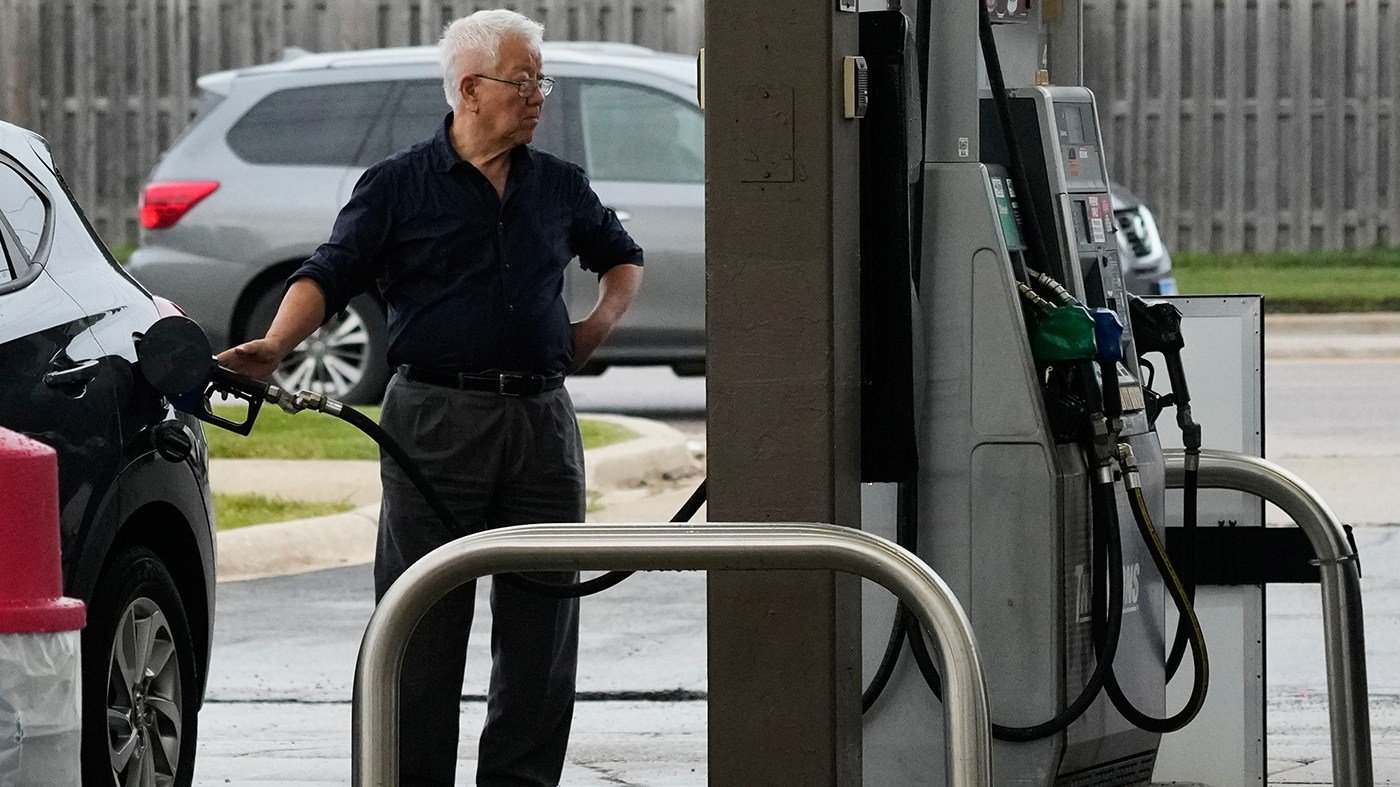
Brent crude futures hovered around $114 per barrel on Thursday, a sharp spike since hostilities began. But the real pain for airlines is in jet fuel, which hit approximately $4.56 per gallon—almost double its pre-war level of $2.50, according to Argus data. This surge is already forcing carriers to trim operations and raise fares, threatening to upend travel plans for millions.

Europe is bearing the brunt of the crisis. Debnil Chowdhury, head of fuels and refining at S&P Global Energy, noted that jet fuel is particularly vulnerable because a large share of European supply transits the Strait of Hormuz. "Europe depends on jet fuel pretty significantly moving through the Strait of Hormuz," he said, adding that inventories were already low before the conflict. The International Energy Agency's executive director, Fatih Birol, warned that the continent has only about six weeks of jet fuel left.
The ripple effects are already reaching US shores. Chowdhury predicted that by June or July, American jet fuel supplies could tighten as exports surge to meet European demand. Andy Lipow, president of Lipow Oil Associates, said the math is simple: "There is not enough jet fuel to maintain the current schedule. In order to stretch the existing supplies, airlines cut flights." An industry official confirmed that higher fuel costs will mean fewer and more expensive flights.
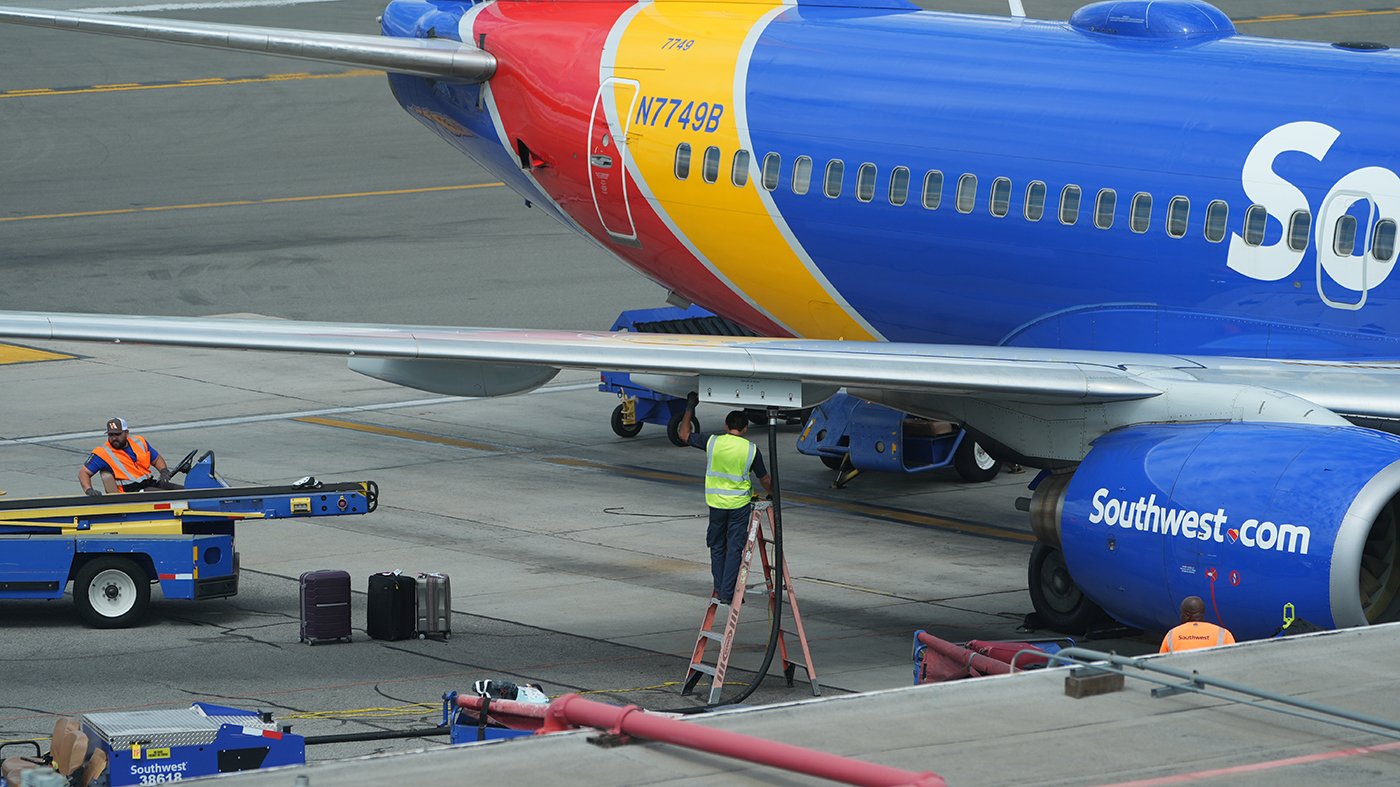
Major airlines are already pulling back. The Lufthansa Group announced it will cut 20,000 flights through October, while Delta has signaled reductions amid rising fuel expenses. Budget carriers have appealed to the Trump administration for relief, arguing they are disproportionately hurt by the price spike, as reported by The Wall Street Journal. Meanwhile, oil prices have spiked to $126 as the blockade persists and nuclear talks stall.
Regional impacts vary. Lipow noted that Europe and Asia face the most immediate risk due to their reliance on Middle Eastern supply and reduced refinery runs in Asia. In the US, the Gulf Coast benefits from domestic production, but the East and West Coasts—including Hawaii and Alaska—are more exposed. Alan Gelder, vice president at Wood Mackenzie, said California could feel the pinch first. "Exports out of Asia are going to be down, and that was a major source of fuel into California," he explained, adding that Los Angeles and San Francisco airports will likely see shortages earliest.
The longer the Strait of Hormuz remains closed, the steeper the adjustments. Gelder warned that demand may need to fall by an amount comparable to the drop in flying during the COVID-19 pandemic. "The longer this lasts, the more that demand needs to come down to match supply," he said. With Trump demanding Iran 'cry uncle' to end the blockade and rejecting nuclear talks, a quick resolution looks unlikely.
The political stakes are rising as well. March inflation hit 3.5%, driven in part by the conflict, adding pressure on the administration. For travelers, the immediate future means fewer seats and higher ticket prices, with the full impact yet to unfold.